
What Makes a Puja Kit Truly Sustainable: Expert Guide
Create Your Own Combo – Pick 4 Canisters & Save 10%
Get FREE Shipping on orders above ₹499/-!
Create Your Own Combo – Pick 4 Canisters & Save 10%
Get FREE Shipping on orders above ₹499/-!
Create Your Own Combo – Pick 4 Canisters & Save 10%
Get FREE Shipping on orders above ₹499/-!
Create Your Own Combo – Pick 4 Canisters & Save 10%
Get FREE Shipping on orders above ₹499/-!
Create Your Own Combo – Pick 4 Canisters & Save 10%
Get FREE Shipping on orders above ₹499/-!
Create Your Own Combo – Pick 4 Canisters & Save 10%
Get FREE Shipping on orders above ₹499/-!
Create Your Own Combo – Pick 4 Canisters & Save 10%
Get FREE Shipping on orders above ₹499/-!
Create Your Own Combo – Pick 4 Canisters & Save 10%
Get FREE Shipping on orders above ₹499/-!
Create Your Own Combo – Pick 4 Canisters & Save 10%
Get FREE Shipping on orders above ₹499/-!
Create Your Own Combo – Pick 4 Canisters & Save 10%
Get FREE Shipping on orders above ₹499/-!
Choosing what makes a puja kit sustainable goes beyond simply picking organic items. It's about creating a complete worship experience that honors both our spiritual traditions and the earth that sustains us. When we think about sustainable worship, we're looking at materials that come from nature, return to nature, and support the communities that create them. This approach to eco-friendly puja isn't just trendy—it's actually a return to the ancient wisdom that saw divinity in every element of creation.
Sustainable worship connects us back to the original principles of Vedic traditions. Our ancestors understood that true devotion meant respecting the earth while honoring the divine. They used what nature provided—clay diyas, organic flowers, natural incense made from tree resins, and pure oils extracted from plants. Today's conventional puja items often contain synthetic fragrances, artificial colors, and plastic components that create waste and pollution. When we choose eco-friendly puja materials, we're not just making an environmental choice—we're making a spiritual one that aligns our actions with our values.
Every element in nature carries its own energy and vibration. When we use natural puja ingredients, we're inviting these pure energies into our worship space. Synthetic materials can't replicate the subtle vibrations that come from items grown in soil, blessed by rain, and touched by sunlight.
Using organic puja items protects our health and the health of our families. Natural incense doesn't release harmful chemicals into the air we breathe during prayer. Pure essential oils support our well-being rather than triggering allergies or respiratory issues.
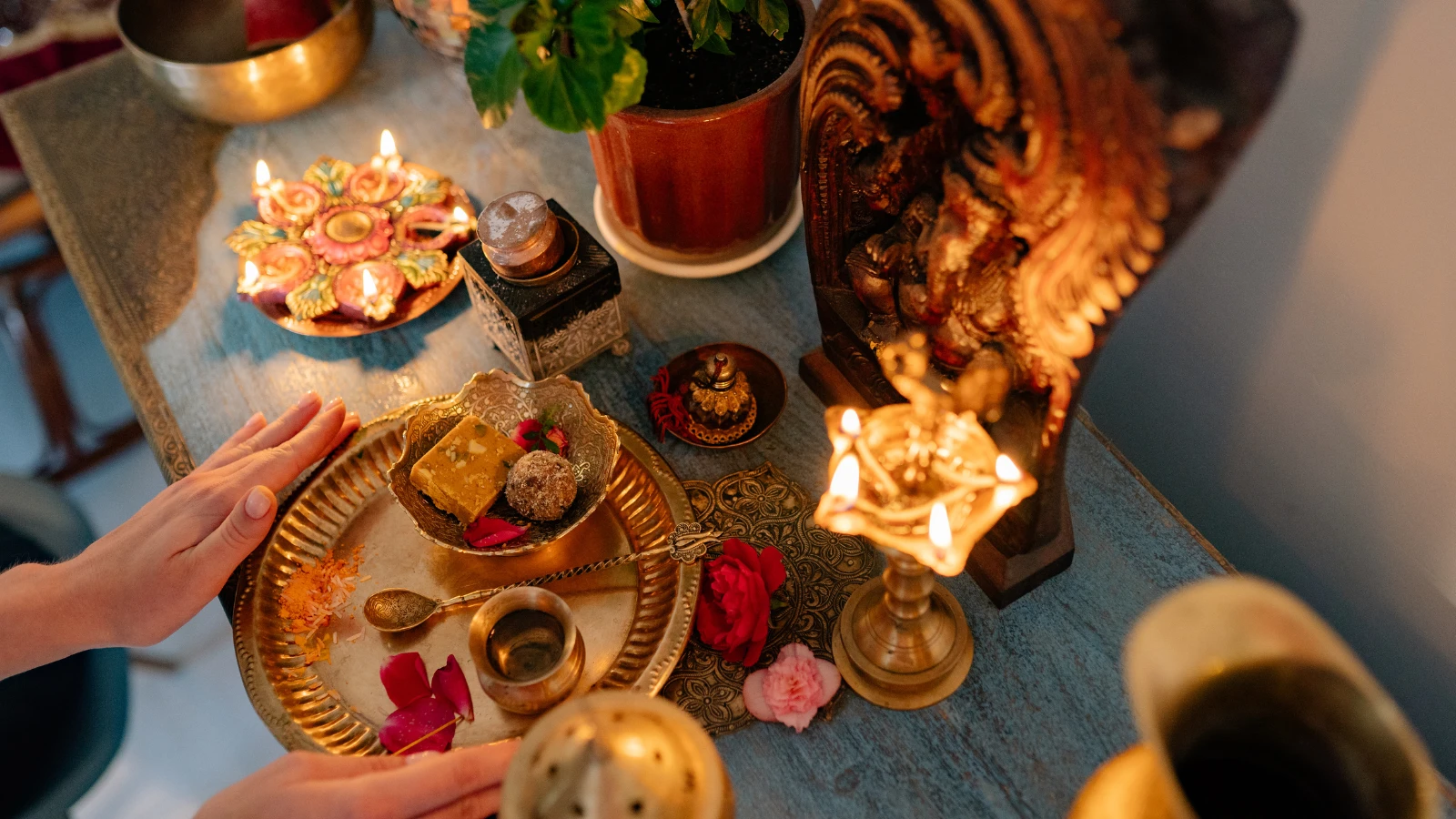
Building a truly sustainable puja kit starts with understanding which materials make the biggest difference. The foundation lies in choosing items that are grown without chemicals, crafted by hand, and packaged without excess plastic. Green puja materials include everything from the incense we burn to the vessels we use for offerings. Each component should meet certain criteria: it should be biodegradable, ethically sourced, and free from synthetic additives.
The heart of any eco puja kit contains these natural elements: • Hand-rolled incense made from pure tree resins and herbs • Organic kumkum and turmeric free from artificial colors • Fresh flowers or naturally preserved garlands • Pure essential oils extracted through traditional methods • Natural camphor without synthetic additives • Organic rice and grains for offerings
Traditional metals like brass and copper naturally resist bacteria and last for generations. These materials align perfectly with sustainable vedic wellness principles because they can be passed down through families, reducing the need for constant replacement. Clay diyas and earthenware bowls return to the earth after use, completing a natural cycle. When choosing storage containers, look for options made from bamboo, jute, or other renewable materials.
Authentic puja fragrances come from flowers, herbs, and tree resins that have been used in worship for thousands of years. Rose, jasmine, sandalwood, and frankincense carry specific spiritual properties that synthetic versions simply cannot replicate. These natural puja ingredients often cost more initially but provide deeper, longer-lasting fragrances that enhance meditation and prayer.
Making the switch to environmentally friendly rituals doesn't mean giving up the beauty and richness of traditional worship. Instead, it means choosing options that honor both tradition and environmental responsibility. Many sustainable alternatives actually enhance the spiritual experience because they connect us more directly with nature's energy. When we light a diya made from cow dung and herbs, we're participating in an ancient practice that purifies the air while creating sacred space.
Traditional oil diyas burn cleanly and can be reused countless times. For longer ceremonies, consider LED diyas that mimic the warm glow of flame without consuming oil or creating smoke. Solar-powered lights work beautifully for outdoor ceremonies and garden temples.
Rangoli made from colored rice, turmeric, and flower petals creates stunning designs that can be composted after use. Fabric decorations last for years and can be washed and reused for multiple celebrations. Fresh flowers from local gardens or ethically sourced suppliers support both the environment and local communities. When fresh flowers aren't available, dried flowers and herbs maintain their spiritual significance while lasting much longer.
Traditional colors come from turmeric, beetroot, spinach, and other natural sources. These create beautiful decorations while being completely safe for children and pets. Many families enjoy making their own natural colors as part of festival preparations.
Conscious puja practices develop gradually as we become more aware of our choices and their impact. Start by replacing one or two items in your current puja kit with sustainable alternatives, then expand your collection over time. The key is choosing quality over quantity. A few well-made, sustainable items will serve you better than many cheap, disposable ones. This approach also saves money in the long run while reducing waste.
Begin with items you use most frequently, like incense or diyas. As your current supplies run out, replace them with eco-friendly versions. This gradual approach makes the transition affordable and manageable. Many sustainable puja items can be made at home, turning the preparation into part of the spiritual practice. Making your own incense, mixing natural colors, or crafting simple decorations adds intention and mindfulness to your worship.
Align your puja materials with natural seasons and local availability. Use marigolds during autumn festivals, jasmine in spring, and lotus during summer ceremonies. This seasonal approach connects your practice with natural rhythms while supporting local flower growers. Local sourcing reduces transportation impact and often provides fresher, more potent materials. Building relationships with local suppliers also creates community connections that enrich your spiritual practice.
While sustainable items often have higher upfront costs, they typically last longer and provide better value over time. Many eco-friendly options like brass vessels and clay diyas can be used for years or even decades.
Natural materials often enhance spiritual practice because they carry the pure energy of their source. Store them properly in clean, dry places and handle them with reverence to maintain their spiritual potency.
Look for suppliers who specialize in traditional, handmade items. Many online platforms now offer certified organic puja materials, and local artisan markets often have authentic, sustainable options.
Absolutely. Sustainability enhances rather than replaces traditional practices. You can gradually incorporate eco-friendly elements while maintaining all the spiritual aspects of your established routines.
Most organic puja materials can be composted or returned to the earth. Flower offerings make excellent compost, while ash from natural incense can nourish plants. Always dispose of materials respectfully.
Properly stored natural ingredients typically last 6-12 months. Keep them in airtight containers away from direct sunlight and moisture. Fresh flowers obviously need immediate use, while dried herbs and spices last much longer.
What makes a puja kit sustainable ultimately comes down to choosing materials that honor both our spiritual traditions and our responsibility to the earth. When we select organic, locally sourced, and ethically made items, we create worship experiences that nourish our souls while protecting the environment for future generations. The journey toward sustainable worship is itself a spiritual practice—one that deepens our connection to nature and enhances our understanding of the interconnectedness of all life. Every small choice we make in favor of sustainability is an offering to the divine that manifests in the world around us.
