
Master Meditation: Essential Aids for Deep Focus
Create Your Own Combo – Pick 4 Canisters & Save 10%
Get FREE Shipping on orders above ₹499/-!
Create Your Own Combo – Pick 4 Canisters & Save 10%
Get FREE Shipping on orders above ₹499/-!
Create Your Own Combo – Pick 4 Canisters & Save 10%
Get FREE Shipping on orders above ₹499/-!
Create Your Own Combo – Pick 4 Canisters & Save 10%
Get FREE Shipping on orders above ₹499/-!
Create Your Own Combo – Pick 4 Canisters & Save 10%
Get FREE Shipping on orders above ₹499/-!
Create Your Own Combo – Pick 4 Canisters & Save 10%
Get FREE Shipping on orders above ₹499/-!
Create Your Own Combo – Pick 4 Canisters & Save 10%
Get FREE Shipping on orders above ₹499/-!
Create Your Own Combo – Pick 4 Canisters & Save 10%
Get FREE Shipping on orders above ₹499/-!
Create Your Own Combo – Pick 4 Canisters & Save 10%
Get FREE Shipping on orders above ₹499/-!
Create Your Own Combo – Pick 4 Canisters & Save 10%
Get FREE Shipping on orders above ₹499/-!
Finding peace in our busy world can feel impossible. Your mind races, stress builds up, and those precious quiet moments slip away. But here's the thing - meditation doesn't have to be a struggle. With the right aids for better meditation, you can transform your practice from frustrating to fulfilling. Whether you're just starting out or looking to deepen your existing routine, the right tools can make all the difference. Think of meditation aids as your supportive companions on this journey toward inner calm and clarity.
Let's clear up a common myth right away. Some people think "real" meditation requires nothing but your mind and body. While that sounds romantic, it's not always practical. Research shows that meditation aids actually help practitioners achieve deeper states of focus and maintain consistency in their practice. Meditation aids work by addressing the most common obstacles people face. Physical discomfort from poor posture, mental distractions from noise, and lack of guidance for beginners - these challenges can derail even the most determined meditator. When you use proper aids for better meditation, you're creating an environment that supports your natural ability to focus and relax. Studies reveal that people who use meditation tools practice 40% more consistently than those who don't. This consistency is what leads to real transformation. Your brain needs regular practice to develop new neural pathways associated with calm and focus. Meditation aids simply make it easier to show up for yourself every day.
Your body is the foundation of your meditation practice. When you're comfortable and properly aligned, your mind can settle more easily. Physical aids create the perfect conditions for deeper meditation experiences. Comfort isn't luxury in meditation - it's necessity. When your body is at ease, your mind follows naturally. The right physical setup removes barriers between you and that peaceful state you're seeking.
Meditation cushions aren't just fancy pillows. They're designed to support proper spinal alignment during extended sitting periods. A good cushion elevates your hips slightly above your knees, reducing strain on your lower back and allowing energy to flow freely through your body. Traditional options include zafus (round cushions) and zabutons (square mats). Meditation benches offer an alternative for those who find cross-legged sitting uncomfortable. Even a simple folded blanket can work wonders if you're just starting out.
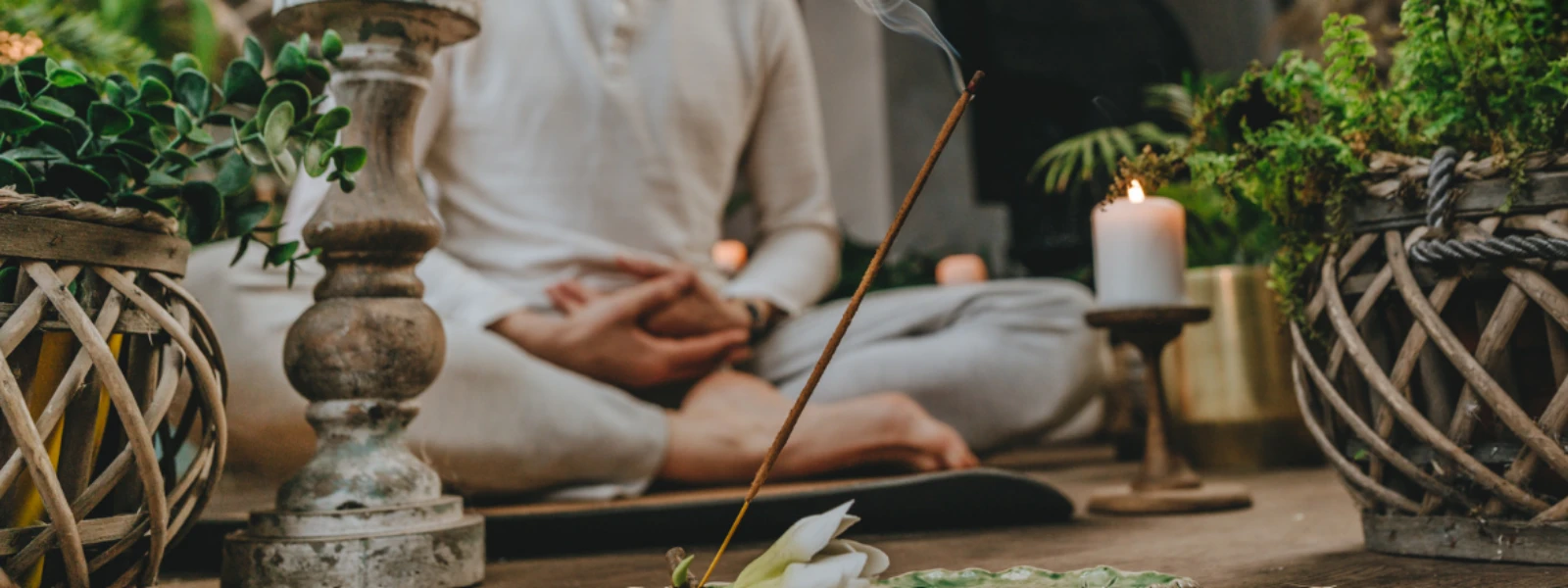
Your meditation space sends a signal to your brain that it's time to shift into a calmer state. This doesn't require a whole room - even a small corner can become your sanctuary. A dedicated meditation mat helps define your practice area and creates a sense of ritual. Lighting plays a crucial role in setting the mood. Soft, warm light helps your nervous system relax. Consider using natural elements like Sambrani Cups or Dhoop Sticks to create a peaceful atmosphere through gentle, purifying smoke that has been used in mindfulness practices for centuries.
Technology and ancient meditation techniques might seem like opposites, but they work beautifully together. Digital tools can provide structure, guidance, and tracking that enhance your practice without replacing its essence. Modern meditation apps offer something traditional methods couldn't - personalized guidance available anytime, anywhere. These tools adapt to your schedule and experience level, making meditation more accessible than ever before.
Meditation apps excel at providing structured guidance for beginners and variety for experienced practitioners. Look for apps that offer different meditation techniques, from breathing exercises to body scans. Many include timer functions, progress tracking, and offline capabilities for consistent practice. The best apps provide clear instructions without being overwhelming. They should offer both guided meditation sessions and silent timer options as you develop confidence in your practice.
Wearable devices can provide real-time feedback about your meditation state. Heart rate variability monitors show how your nervous system responds during practice. Some devices use gentle vibrations to guide your breathing rhythm, acting as invisible meditation teachers. While these tools offer interesting insights, remember they're supplements to your practice, not replacements for developing internal awareness. Use them to learn about your patterns, then gradually rely more on your natural ability to sense your inner state.
Vedic meditation traditions offer time-tested aids that connect us to thousands of years of wisdom. These tools aren't just cultural artifacts - they're practical instruments designed to focus the mind and open the heart. Traditional aids work on multiple levels simultaneously. They engage your senses, provide focal points for attention, and connect you to the deeper spiritual dimensions of meditation practice. This holistic approach often leads to more profound experiences than purely mental techniques. Malas (prayer beads) serve as both counting tools and tactile anchors during mantra meditation. The smooth beads moving through your fingers create a gentle rhythm that helps maintain focus. Each bead represents one repetition of your chosen mantra, making it easy to track your practice without mental effort. Mudras transform your hands into meditation aids. These specific finger positions are believed to direct energy flow and enhance concentration. Simple mudras like joining thumb and index finger create subtle but noticeable effects on your mental state. Sacred symbols and Agnihotra Diyas provide visual focal points that calm the mind. The gentle flame of an Oil Diya has been used for centuries to represent the light of consciousness, making it a perfect meditation companion for spiritual wellness practices.
Sound profoundly affects our mental state. The right audio environment can transport you from everyday stress into deep meditative calm within minutes. Understanding how to use sound as a meditation aid opens up powerful new dimensions in your practice. Your environment speaks to your subconscious mind before you even begin meditating. Creating the right atmosphere through sound, scent, and lighting tells your nervous system it's safe to relax and go deeper.
Calming music serves as a bridge between your busy mind and peaceful awareness. Nature sounds like flowing water or gentle rain mask distracting noises while creating a sense of natural harmony. Instrumental music without lyrics works best, as words can engage your thinking mind. Binaural beats represent a fascinating intersection of ancient wisdom and modern science. These specially designed audio tracks can help synchronize your brainwaves with meditative states, making it easier to achieve deep focus.
Aromatherapy enhances meditation by engaging your sense of smell directly with the limbic system - your brain's emotional center. Destress Vedic Cones infused with natural fragrances like rose and lavender create an immediate sense of calm that supports deeper meditation. Temperature control might seem minor, but being too hot or cold pulls attention away from your practice. A comfortable room temperature allows your body to relax completely. Similarly, appropriate lighting - neither too bright nor too dim - helps maintain alertness without strain.
Not every meditation aid works for every person or practice style. Your choice of tools should support your specific goals and complement your natural tendencies. Some people thrive with minimal aids, while others benefit from rich sensory environments. Start simple and add complexity gradually. Beginning with too many aids can become distracting rather than helpful. Choose one or two tools that address your biggest challenges, whether that's physical discomfort, mental distraction, or lack of guidance. Consider your meditation goals when selecting aids. If you're seeking stress relief, aromatherapy tools like Aroma Therapy Sticks might be perfect. For spiritual development, traditional items like Panchgavya Diyas connect you to ancient wisdom traditions. Budget doesn't have to limit your practice. Many effective aids cost little or nothing. A folded blanket works as well as an expensive cushion for many people. Free meditation apps provide excellent guidance. The key is consistency, not expensive equipment. Avoid becoming dependent on your aids. They should support your natural ability to meditate, not replace it. Gradually practice with fewer tools as your confidence grows. The ultimate goal is developing internal resources for peace and focus.
Start by addressing your biggest obstacle. If you struggle with posture, invest in a good cushion. If your mind wanders constantly, try guided meditation apps. If you can't find quiet time, use noise-canceling headphones with calming music. The key is identifying what prevents you from going deeper and finding the right tool to address that specific challenge.
The most helpful items vary by person, but these consistently make the biggest difference: a comfortable cushion or chair for proper posture, a timer or app for structure, and something to create peaceful atmosphere like incense or soft music. For beginners, guided meditation apps provide the most immediate benefit by offering clear instruction and encouragement.
Yes, many meditation aids specifically support anxiety relief. Aromatherapy tools like Destress Vedic Cones with lavender or chamomile create immediate calming effects. Breathing apps that guide your rhythm help regulate your nervous system. Weighted blankets provide grounding sensations that reduce anxiety. The key is choosing aids that engage your senses in soothing ways.
Expensive doesn't always mean better in meditation. Many effective aids cost very little. However, quality matters for items you'll use daily. A well-made cushion lasts years and prevents back pain. Good headphones enhance your audio experience significantly. Invest in tools you'll use regularly, but start simple and upgrade gradually based on your actual needs.
Meditation aids aren't crutches - they're intelligent supports that help you develop a sustainable practice. The right tools address common obstacles like physical discomfort, mental distraction, and lack of guidance. Whether you choose traditional items like Sambrani Cups and Oil Diyas or modern apps and wearables, the goal remains the same: creating conditions that support your natural ability to find peace and focus. Remember that the most powerful meditation aid is your commitment to regular practice. Tools can make the journey easier and more enjoyable, but your willingness to show up consistently creates the real transformation. Start with simple aids that address your immediate needs, then gradually explore other options as your practice deepens. The path to inner peace is unique for everyone, but with the right support, it's absolutely achievable.
