
Indoor Toxins and Incense: Your Complete Guide
Create Your Own Combo – Pick 4 Canisters & Save 10%
Get FREE Shipping on orders above ₹499/-!
Create Your Own Combo – Pick 4 Canisters & Save 10%
Get FREE Shipping on orders above ₹499/-!
Create Your Own Combo – Pick 4 Canisters & Save 10%
Get FREE Shipping on orders above ₹499/-!
Create Your Own Combo – Pick 4 Canisters & Save 10%
Get FREE Shipping on orders above ₹499/-!
Create Your Own Combo – Pick 4 Canisters & Save 10%
Get FREE Shipping on orders above ₹499/-!
Create Your Own Combo – Pick 4 Canisters & Save 10%
Get FREE Shipping on orders above ₹499/-!
Create Your Own Combo – Pick 4 Canisters & Save 10%
Get FREE Shipping on orders above ₹499/-!
Create Your Own Combo – Pick 4 Canisters & Save 10%
Get FREE Shipping on orders above ₹499/-!
Create Your Own Combo – Pick 4 Canisters & Save 10%
Get FREE Shipping on orders above ₹499/-!
Create Your Own Combo – Pick 4 Canisters & Save 10%
Get FREE Shipping on orders above ₹499/-!
Many people love the calming scent of incense, but few realize the potential health risks hiding in that fragrant smoke. While burning incense has been a sacred practice for thousands of years, modern commercial products often contain harmful chemicals that can turn your peaceful ritual into a source of indoor air pollution. Understanding the connection between indoor toxins and incense helps you make informed choices about creating a truly healthy aromatic environment in your home.
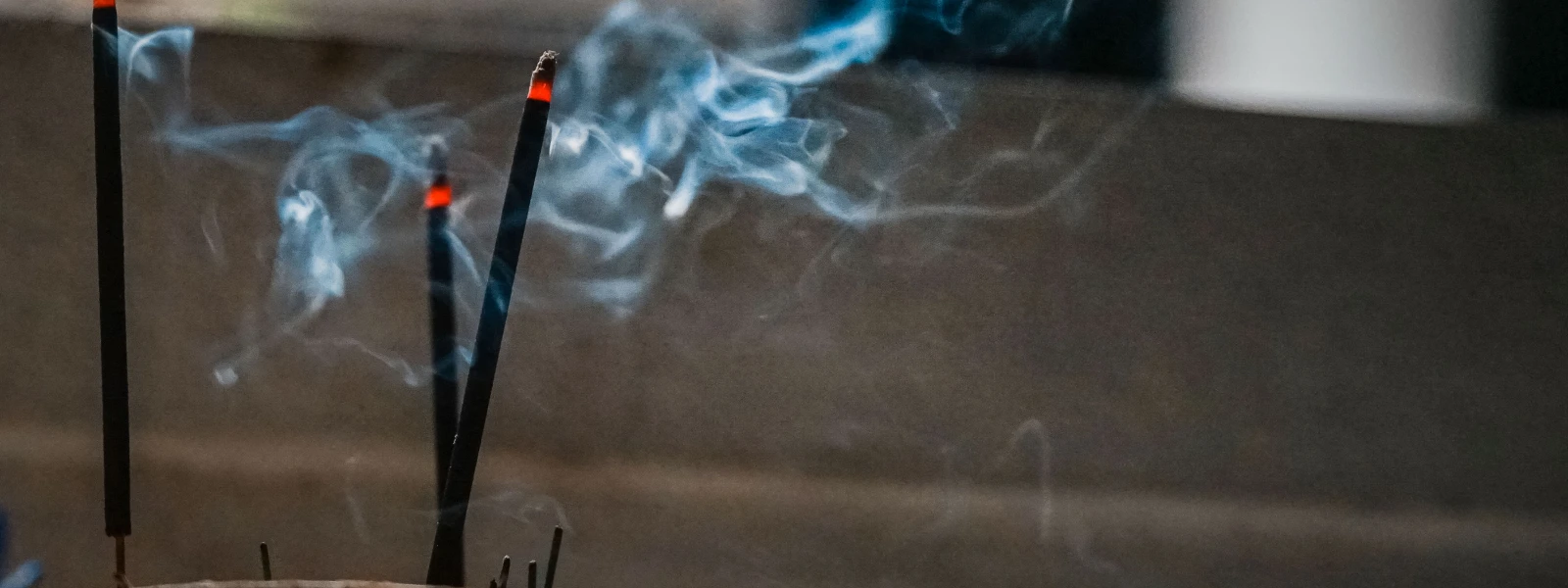
Indoor air pollution from incense happens when burning releases tiny particles and chemical compounds into your living space. These substances can linger for hours, affecting the air quality you and your family breathe daily. The popularity of incense has grown dramatically in recent years, with millions of people using it for meditation, relaxation, and spiritual practices. However, studies show that burning one incense stick can produce particulate matter levels that exceed safe indoor air quality standards by up to 45 times. This means your peaceful moment might be creating an environment more polluted than busy city streets. Indoor air pollution from incense occurs through several pathways. When incense burns, it releases fine particles smaller than 2.5 micrometers (PM2.5) that can penetrate deep into your lungs. These particles carry various chemicals, including volatile organic compounds (VOCs) and potentially toxic substances that accumulate in enclosed spaces. The concern grows when you consider that most people burn incense in small, poorly ventilated rooms like bedrooms or meditation spaces. Without proper airflow, these pollutants concentrate and create health risks that many users never consider.
While incense creates beautiful aromas, the incense dangers extend far beyond what meets the eye. Understanding these risks helps you make better choices for your health and wellbeing. Incense health risks vary depending on exposure frequency, duration, and individual sensitivity. Some people experience immediate reactions, while others develop problems after long-term use.
Immediate reactions to incense smoke include respiratory irritation, coughing, and throat discomfort. Many people also report headaches, dizziness, and eye irritation within minutes of exposure. These symptoms often worsen in poorly ventilated spaces or when burning multiple sticks simultaneously. Long-term exposure to incense smoke has been linked to more serious health concerns. Research suggests regular incense use may increase the risk of respiratory infections, chronic bronchitis, and even certain types of cancer.
Children face the highest risk from incense exposure because their respiratory systems are still developing. Their smaller airways and faster breathing rates mean they absorb more pollutants relative to their body size. People with asthma, COPD, or other breathing conditions should exercise extreme caution with incense. The smoke can trigger severe attacks and worsen existing symptoms.
The effects of burning incense on air quality are measurable and significant. A single incense stick can increase PM2.5 levels to 300-400 micrograms per cubic meter, far exceeding the WHO recommended limit of 25 micrograms. Incense also releases carbon monoxide, formaldehyde, and other harmful gases that accumulate in closed spaces. These compounds can persist for hours after the incense has finished burning.
Many commercial incense products contain toxic incense ingredients that manufacturers don't always clearly label. Understanding these hidden dangers helps you choose safer alternatives for your aromatic practices. The incense industry often uses synthetic fragrances, artificial colors, and chemical binding agents to create appealing products at low costs. These additives can release harmful compounds when burned.
Benzene, a known carcinogen, appears in many commercial incense products. This chemical forms during incomplete combustion and poses serious health risks with repeated exposure. Formaldehyde, another concerning compound, gets released when synthetic fragrances burn. This chemical can cause respiratory irritation and has been classified as a probable human carcinogen.
Reading ingredient labels carefully helps identify potentially harmful products. Look for terms like "fragrance," "parfum," or "synthetic" which often indicate chemical additives. Extremely cheap incense often contains more synthetic ingredients and fewer natural materials. While price isn't everything, suspiciously low-cost products may compromise on safety.
Monitoring air quality incense effects helps you understand how burning practices affect your living space. Simple tools and techniques can reveal the true impact on your home environment. Proper measurement involves checking particulate matter levels, VOC concentrations, and overall air quality before, during, and after burning incense.
Affordable air quality monitors can measure PM2.5 levels in real-time, showing exactly how incense affects your space. These devices typically cost between $50-200 and provide valuable insights into your indoor environment. Professional air quality testing offers more comprehensive analysis but costs significantly more. This option works best for people with serious health concerns or those who burn incense frequently.
Proper ventilation dramatically reduces incense-related air pollution. Opening windows and using fans helps disperse smoke and brings in fresh air. Limiting burning time to 15-20 minutes and avoiding daily use reduces cumulative exposure. Choose larger rooms when possible, as they dilute pollutants more effectively.
Natural incense alternatives offer the aromatic benefits you love without the health risks of synthetic products. These options support both your wellbeing and spiritual practices. Transitioning to natural alternatives doesn't mean sacrificing the peaceful atmosphere you seek. Many traditional methods actually provide richer, more authentic experiences.
Essential oil diffusers create beautiful aromas without combustion. These devices use water vapor to disperse natural plant oils, eliminating smoke and harmful particles entirely. Dried herb bundles like sage, lavender, or rosemary provide traditional cleansing properties. These natural options burn cleaner and often smell more authentic than commercial products.
Creating your own incense ensures complete control over ingredients. Mix dried herbs like frankincense resin, sandalwood powder, and natural binding agents for authentic results. Simple combinations work beautifully: blend equal parts dried rose petals, lavender, and chamomile for a calming mixture. Add a small amount of natural honey as a binding agent.
Vedic incense benefits extend beyond fragrance to include therapeutic properties. Traditional Ayurvedic practices emphasize pure, natural ingredients that support both spiritual and physical wellbeing. Authentic Vedic incense uses sacred herbs like tulsi, neem, and sandalwood. These ingredients have been used safely for thousands of years and offer genuine therapeutic benefits.
Finding safe incense brands requires careful research and understanding of quality indicators. Not all "natural" products meet the same safety standards. Reputable manufacturers provide transparent ingredient lists, third-party testing results, and clear information about their production methods.
Certification from organizations like USDA Organic or Fair Trade indicates higher quality standards. These certifications require regular inspections and adherence to strict guidelines. Transparent sourcing information shows that companies care about ingredient quality. Look for brands that specify where their materials come from and how they're processed.
Natural ingredient ratios should heavily favor plant-based materials over synthetic additives. Quality products typically list specific herbs, resins, and oils rather than vague terms like "fragrance." Sustainable sourcing practices indicate a company's commitment to quality and environmental responsibility. These brands often invest more in safe, ethical production methods.
Quality natural incense doesn't always cost more than synthetic alternatives. Many traditional producers offer authentic products at reasonable prices, especially when purchased directly. Bulk buying from reputable sources can reduce costs significantly. Consider splitting larger orders with friends or family members who share similar interests.
Balancing your love for aromatic practices with health consciousness doesn't require giving up incense entirely. By understanding indoor toxins and incense connections, choosing natural alternatives, and practicing safe burning techniques, you can maintain your spiritual rituals while protecting your family's wellbeing. Remember that the most authentic aromatic experiences often come from traditional, natural ingredients that have been used safely for centuries. Your journey toward healthier aromatic practices starts with informed choices and mindful consumption.
Burning commercial incense can pose health risks due to toxic chemicals and particulate matter. However, natural, pure incense used occasionally with proper ventilation is generally safer.
Pure resin incenses like frankincense, natural herb bundles, and certified organic products are the safest options. Avoid products with synthetic fragrances or artificial additives.
Use proper ventilation, limit burning time to 15-20 minutes, choose larger rooms, and consider air purifiers. Natural alternatives like essential oil diffusers eliminate combustion entirely.
Avoid synthetic fragrances, artificial colors, benzene, formaldehyde, and products listing "parfum" or "fragrance" without specific ingredients. Choose products with clear, natural ingredient lists.
Limit incense burning to 2-3 times per week maximum, with proper ventilation each time. Daily use increases health risks, especially in small or poorly ventilated spaces.
Yes, incense smoke can trigger asthma attacks, cause respiratory irritation, and worsen existing breathing conditions. People with respiratory issues should exercise extra caution or avoid incense entirely.
Essential oil diffusers, dried herb bundles, pure resin burning, and DIY natural incense blends offer safer alternatives while maintaining aromatic benefits.
Use an air quality monitor to check PM2.5 levels. Symptoms like headaches, throat irritation, or breathing difficulties during or after burning also indicate air quality problems.
