
How to Safely Use Sambrani: Smoke Health Guide
Create Your Own Combo – Pick 4 Canisters & Save 10%
Get FREE Shipping on orders above ₹499/-!
Create Your Own Combo – Pick 4 Canisters & Save 10%
Get FREE Shipping on orders above ₹499/-!
Create Your Own Combo – Pick 4 Canisters & Save 10%
Get FREE Shipping on orders above ₹499/-!
Create Your Own Combo – Pick 4 Canisters & Save 10%
Get FREE Shipping on orders above ₹499/-!
Create Your Own Combo – Pick 4 Canisters & Save 10%
Get FREE Shipping on orders above ₹499/-!
Create Your Own Combo – Pick 4 Canisters & Save 10%
Get FREE Shipping on orders above ₹499/-!
Create Your Own Combo – Pick 4 Canisters & Save 10%
Get FREE Shipping on orders above ₹499/-!
Create Your Own Combo – Pick 4 Canisters & Save 10%
Get FREE Shipping on orders above ₹499/-!
Create Your Own Combo – Pick 4 Canisters & Save 10%
Get FREE Shipping on orders above ₹499/-!
Create Your Own Combo – Pick 4 Canisters & Save 10%
Get FREE Shipping on orders above ₹499/-!
Sambrani has been a cornerstone of Indian spiritual practices for centuries, filling homes with sacred smoke during prayers and festivals. But as health awareness grows, many families wonder: is sambrani smoke harmful to our wellbeing? This question becomes especially important when we consider our children, elderly family members, and those with breathing conditions. Understanding the real effects of sambrani smoke helps us make informed choices about continuing these cherished traditions while protecting our loved ones' health.
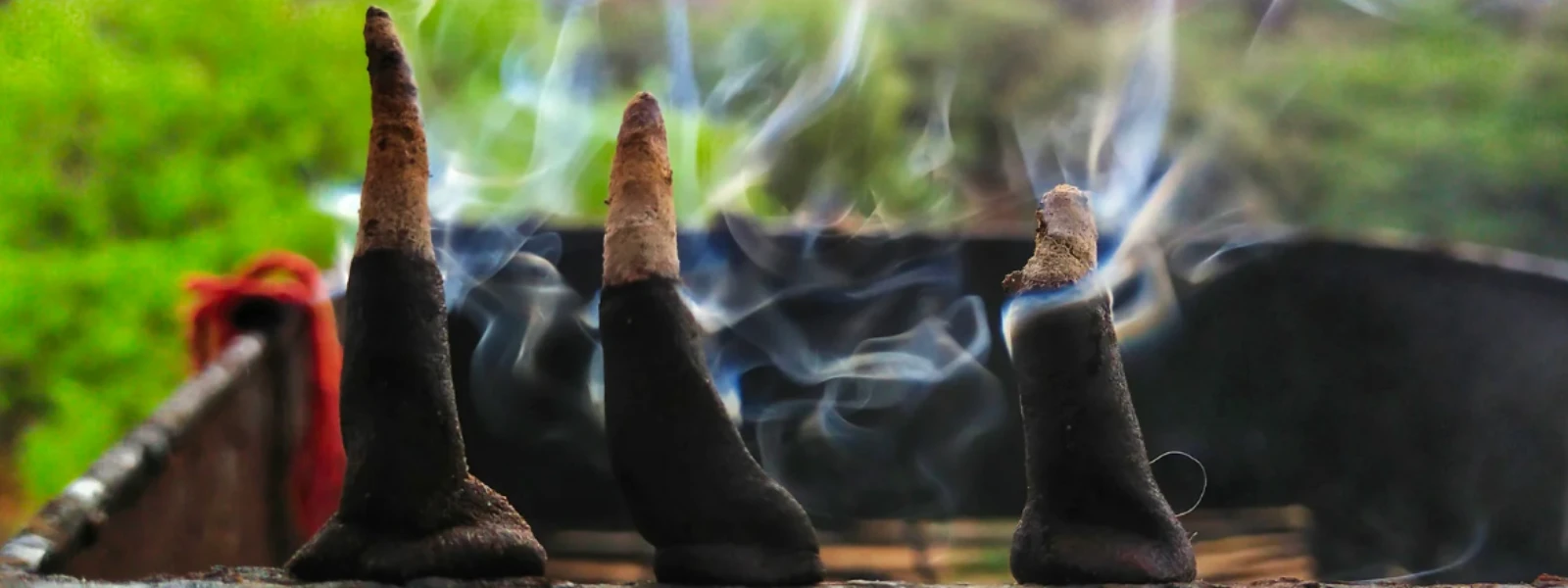
When sambrani burns, it releases a complex mixture of particles and gases into the air around us. The smoke contains fine particulate matter called PM2.5, which measures less than 2.5 micrometers in diameter. These tiny particles easily enter our lungs and bloodstream, potentially causing both immediate and long-term health concerns. The sambrani smoke effects on our respiratory system happen quickly. Within minutes of exposure, sensitive individuals may experience coughing, throat irritation, or difficulty breathing. The smoke also releases volatile organic compounds (VOCs) and polycyclic aromatic hydrocarbons (PAHs), which can trigger allergic reactions in some people.
Your lungs work hard to filter out harmful particles, but sambrani smoke can overwhelm these natural defenses. The fine particles bypass your nose and throat, settling deep in lung tissue where they can cause inflammation.
Immediate effects include eye watering, sneezing, and respiratory discomfort. Regular exposure over months or years may contribute to more serious breathing problems, especially in vulnerable family members.
Not everyone responds to sambrani smoke the same way. Certain family members face significantly higher risks and need extra protection during spiritual ceremonies. Understanding these sambrani dangers helps us create safer environments for everyone. Children under five years old have developing respiratory systems that cannot effectively filter smoke particles. Their smaller airways become irritated more quickly, and they breathe faster than adults, taking in more harmful particles per minute. Pregnant women should also exercise extreme caution, as smoke exposure may affect both mother and baby.
Elderly relatives often have weakened immune systems and may already struggle with breathing conditions. People with asthma, COPD, or heart disease can experience severe reactions even to small amounts of smoke.
Pay attention to persistent coughing, wheezing, chest tightness, or unusual fatigue after sambrani use. These sambrani side effects indicate your body is struggling to cope with smoke exposure.
Many families believe that because sambrani comes from natural tree resins, it must be completely safe. However, natural incense dangers are real and well-documented by medical research. The "natural equals safe" assumption overlooks important scientific evidence about smoke inhalation. Traditional Ayurvedic texts praise sambrani for spiritual purification, but they were written before modern understanding of air pollution and respiratory health. Today's enclosed homes also trap smoke differently than the open-air spaces where these practices originally developed.
Recent studies show that burning any organic material, including natural resins, produces harmful compounds. The concentration of these substances depends on ventilation, burning duration, and room size.
While sambrani may contain fewer synthetic chemicals than commercial incense sticks, it still produces significant amounts of particulate matter and toxic gases when burned.
Research reveals concerning levels of toxic compounds in sambrani smoke. Studies measuring sambrani smoke toxicity found formaldehyde concentrations that exceed safe indoor air quality standards. Benzene, a known carcinogen, also appears in measurable quantities during burning. The carbon monoxide levels from sambrani can be particularly dangerous in poorly ventilated spaces. This colorless, odorless gas reduces oxygen delivery to vital organs, causing headaches, dizziness, and fatigue.
Polycyclic aromatic hydrocarbons (PAHs) in sambrani smoke are linked to respiratory problems and cellular damage. Fine particulate matter concentrations often exceed World Health Organization safety guidelines.
While sambrani smoke contains different compounds than cigarettes, both produce harmful PM2.5 particles that penetrate deep into lung tissue.
You can continue honoring traditions while minimizing health risks through careful sambrani use. Proper ventilation is absolutely essential - open windows and doors before lighting sambrani to ensure fresh air circulation. Limit burning time to five minutes maximum, and never use sambrani in bedrooms or small enclosed spaces. Choose high-quality, pure sambrani products without synthetic additives. Store sambrani in dry, cool places away from children and pets. Consider the size of your prayer room - smaller spaces concentrate smoke more quickly.
Maintain at least six feet distance between burning sambrani and family members. Use proper stands that prevent accidental fires, and never leave burning sambrani unattended.
Skip sambrani use when anyone in your home has active respiratory symptoms, during pregnancy, or if infants are present. Air quality alerts in your city also warrant avoiding additional indoor smoke.
Modern families can maintain spiritual practices while protecting health through safer alternatives. Essential oil diffusers provide beautiful fragrances without harmful smoke. Try sandalwood, rose, or jasmine oils that carry similar spiritual significance to traditional sambrani. Natural air purifying plants like tulsi, neem, and peace lily improve indoor air quality while adding spiritual energy to your home. These living alternatives align with Vedic principles of honoring nature.
Consider using WowNandi's Vedic Purifier Sambrani Cups, which are specially designed for safer use with better air purification properties. Oil diyas provide the sacred light element without smoke concerns.
Steam inhalation with holy basil leaves offers aromatherapy benefits without smoke. Natural beeswax candles create ambiance while actually purifying air rather than polluting it.
No, sambrani smoke contains harmful particulates that can irritate and damage lung tissue. While traditional beliefs suggest respiratory benefits, modern medical evidence shows that inhaling any smoke poses health risks.
Yes, medical experts strongly advise against using sambrani around infants due to their developing respiratory systems. Babies are particularly vulnerable to smoke-related breathing problems and should not be exposed to any incense smoke.
Common side effects include coughing, wheezing, respiratory irritation, eye watering, and headaches. Long-term exposure may contribute to chronic breathing problems, especially in sensitive individuals.
Limit sambrani burning to 5-10 minutes maximum with proper ventilation. Longer exposure increases harmful particle concentrations in your home's air.
Yes, the fine particles and irritants in sambrani smoke can trigger severe asthma episodes. People with asthma should avoid exposure or use alternative spiritual practices.
Balancing spiritual traditions with family health requires thoughtful choices about sambrani use. While completely avoiding sambrani may feel difficult for devoted families, understanding the real health risks helps you make informed decisions. Short, well-ventilated use poses less risk than prolonged exposure in closed spaces. Consider your family's specific health needs when planning spiritual practices. Pregnant women, children, elderly relatives, and those with breathing conditions deserve extra protection. Exploring safer alternatives like essential oils, air-purifying plants, or specially designed products can help maintain your spiritual connection while prioritizing everyone's wellbeing. Remember that true spiritual practice includes caring for the bodies that house our souls. Making conscious choices about sambrani use demonstrates both devotion to tradition and love for your family's health.
