
How to Make Panchgavya: A Complete Ayurvedic Guide
Create Your Own Combo – Pick 4 Canisters & Save 10%
Get FREE Shipping on orders above ₹499/-!
Create Your Own Combo – Pick 4 Canisters & Save 10%
Get FREE Shipping on orders above ₹499/-!
Create Your Own Combo – Pick 4 Canisters & Save 10%
Get FREE Shipping on orders above ₹499/-!
Create Your Own Combo – Pick 4 Canisters & Save 10%
Get FREE Shipping on orders above ₹499/-!
Create Your Own Combo – Pick 4 Canisters & Save 10%
Get FREE Shipping on orders above ₹499/-!
Create Your Own Combo – Pick 4 Canisters & Save 10%
Get FREE Shipping on orders above ₹499/-!
Create Your Own Combo – Pick 4 Canisters & Save 10%
Get FREE Shipping on orders above ₹499/-!
Create Your Own Combo – Pick 4 Canisters & Save 10%
Get FREE Shipping on orders above ₹499/-!
Create Your Own Combo – Pick 4 Canisters & Save 10%
Get FREE Shipping on orders above ₹499/-!
Create Your Own Combo – Pick 4 Canisters & Save 10%
Get FREE Shipping on orders above ₹499/-!
Have you ever wondered about the ancient wisdom behind one of Ayurveda's most sacred preparations? The story of panchgavya stretches back thousands of years, weaving through Vedic texts and traditional Indian medicine practices. This powerful combination of five cow-based products has been revered not just as a therapeutic remedy, but as a bridge between physical wellness and spiritual purification. Today, we'll explore how you can create this time-honored preparation at home while understanding its deep cultural significance and modern applications.
The story of panchgavya begins in the sacred Vedic scriptures, where cows were considered divine beings representing purity and abundance. Ancient sages discovered that combining five specific cow-derived products created a powerful therapeutic compound that could heal both body and spirit. In traditional Indian medicine, panchgavya wasn't just another remedy - it was considered panchamrita for the soul. The Charaka Samhita and Sushruta Samhita, foundational texts of Ayurveda, mention various cow-based preparations for treating digestive disorders, skin conditions, and mental imbalances. What makes the story of panchgavya truly fascinating is how it evolved from sacred ritual offerings to sophisticated therapeutic applications. Vedic wellness traditions viewed cows as mobile pharmacies, believing that their products contained life-giving properties. This reverence wasn't merely spiritual - ancient practitioners observed genuine healing effects when these five elements were combined in specific proportions. The preparation became integral to ashram life, where monks and healers used it for both personal purification and treating visitors seeking wellness.
Panchgavya literally translates to "five cow products" in Sanskrit, representing one of Ayurveda's most complete therapeutic preparations. This ayurvedic panchgavya combines fresh cow milk, clarified butter (ghee), curd, urine, and dung in carefully measured proportions. The panchgavya composition isn't random - each ingredient contributes specific therapeutic properties. Fresh cow milk provides essential proteins and minerals, while ghee offers healthy fats and fat-soluble vitamins. Cow curd introduces beneficial probiotics, supporting digestive health. The inclusion of cow urine and dung might seem unusual to modern minds, but these components contain unique enzymes and minerals that enhance the preparation's medicinal value. What sets therapeutic panchgavya apart from agricultural versions is the preparation method and intended use. While farmers use panchgavya as organic fertilizer, the medicinal version requires fresh, high-quality ingredients from healthy, grass-fed cows. The cow based products must be collected under strict hygiene protocols to ensure safety and potency.
Each of the five panchgavya ingredients brings distinct benefits to the final preparation. Fresh cow milk contains immunoglobulins and lactoferrin, supporting immune function. Cow ghee provides butyric acid, which nourishes intestinal cells and reduces inflammation. Fresh cow curd introduces multiple probiotic strains, promoting healthy gut bacteria. Cow urine contains urea, minerals, and enzymes that may support detoxification processes. Fresh cow dung provides beneficial microorganisms and trace minerals, though it requires careful processing for therapeutic use.
Creating authentic panchgavya requires careful attention to ingredient quality and preparation methods. The process isn't complicated, but it demands respect for traditional techniques and modern safety standards. Before beginning, understand that making therapeutic panchgavya differs significantly from preparing agricultural versions. You'll need access to fresh products from healthy, preferably grass-fed cows. Many practitioners recommend sourcing ingredients from certified organic dairies or traditional gaushalas (cow shelters) where animals are treated with care.
Start by gathering fresh cow milk, homemade ghee, fresh cow curd, and if available, fresh cow urine and dung. All ingredients should be collected within 24 hours of preparation. Use stainless steel or glass containers - avoid plastic or aluminum vessels. Maintain strict hygiene throughout the process. Wash your hands thoroughly, sterilize all equipment, and work in a clean environment. If you're new to using cow urine and dung therapeutically, consider consulting an experienced Ayurvedic practitioner first.
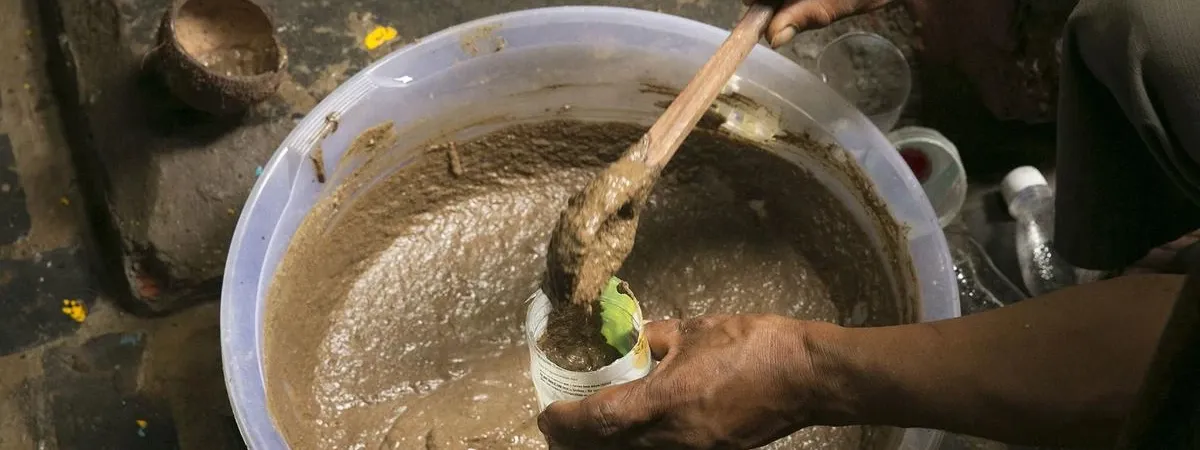
The classic ratio combines one part each of the five ingredients, though some traditions vary these proportions. Mix 200ml fresh cow milk, 50g cow ghee, 200ml fresh cow curd, 100ml cow urine, and 50g processed cow dung. Begin by gently warming the milk to body temperature. Slowly incorporate the ghee, stirring clockwise with a wooden spoon. Add the fresh curd gradually, maintaining smooth consistency. The cow urine and processed dung require careful integration - strain them through fine cloth before adding to prevent contamination.
The panchgavya benefits extend far beyond simple nutrition, encompassing physical healing, mental clarity, and spiritual purification. Traditional practitioners believe this preparation works on multiple levels simultaneously, addressing root causes rather than just symptoms. Modern research has begun validating many traditional claims about cow-based products. Studies show that cow milk contains bioactive compounds supporting immune function, while ghee provides beneficial fatty acids for brain health. The probiotic content in fresh curd supports digestive wellness, a cornerstone of Ayurvedic healing philosophy.
Digestive system support represents one of panchgavya's primary benefits. The combination of probiotics from curd, enzymes from cow products, and healing fats from ghee creates an ideal environment for gut health. Many practitioners report improved digestion, reduced acidity, and better nutrient absorption after regular use. Immune system enhancement occurs through multiple mechanisms. The immunoglobulins in fresh cow milk, combined with the antimicrobial properties of cow urine, may help strengthen natural defenses. Some studies suggest that certain compounds in cow products possess anti-inflammatory and antioxidant properties.
Stress reduction represents another significant benefit of panchgavya therapy. The preparation's calming properties, particularly from cow milk proteins and ghee's brain-nourishing fats, may help balance stress hormones. Many practitioners use panchgavya before meditation, reporting enhanced focus and inner peace. Ayurvedic dosha balancing occurs through panchgavya's comprehensive nutritional profile. The preparation is considered tridoshic, meaning it can help balance all three doshas (Vata, Pitta, Kapha) when used appropriately.
Panchgavya uses in traditional Indian medicine span both internal consumption and external applications. The versatility of this preparation makes it valuable for addressing various health concerns while supporting overall wellness. Internal consumption typically involves taking small amounts (1-2 teaspoons) on an empty stomach, preferably at sunrise. Some practitioners recommend diluting panchgavya with warm water for easier digestion. The dosage varies based on individual constitution, health status, and specific therapeutic goals. External applications include using panchgavya for skin conditions, wound healing, and purification baths. When applied topically, the preparation's antimicrobial and healing properties may support skin health. However, always perform a patch test before widespread application, especially if you have sensitive skin. Panchgavya therapy integrates well with other Ayurvedic practices like yoga, meditation, and herbal treatments. Many traditional healers use it as part of comprehensive wellness protocols, combining it with specific dietary recommendations and lifestyle modifications.
Contemporary research has begun exploring the scientific basis behind traditional panchgavya uses. Studies on individual components show promising results - cow milk proteins demonstrate immune-supporting properties, while certain compounds in cow urine exhibit antimicrobial activity. Quality standards have become increasingly important as interest in traditional preparations grows. Look for certified organic sources and ensure proper storage and handling. Some modern practitioners create standardized versions of panchgavya, maintaining traditional ratios while meeting contemporary safety requirements. Sustainable and ethical sourcing remains crucial for authentic panchgavya preparation. Choose suppliers who treat animals humanely and follow organic farming practices. This approach honors the traditional reverence for cows while ensuring product quality and environmental responsibility.
Fresh panchgavya should be consumed within 24-48 hours of preparation. Store it in the refrigerator in a clean, covered container. Signs of spoilage include off-odors, unusual texture changes, or visible mold growth.
Pregnant women should consult qualified Ayurvedic practitioners before using panchgavya. While cow milk and ghee are generally safe, the other components require professional guidance during pregnancy and breastfeeding.
Fresh panchgavya is consumed immediately after preparation, while fermented versions undergo controlled aging processes. Fermentation may enhance certain beneficial compounds but requires expertise to prevent harmful bacterial growth.
Authentic ingredients come from healthy, grass-fed cows raised in clean environments. Fresh cow milk should be creamy and sweet-smelling, ghee should be golden and aromatic, and curd should be thick and tangy without artificial additives.
Some people may experience digestive upset when first using panchgavya, especially if they're not accustomed to cow products. Start with small amounts and discontinue use if you experience persistent discomfort or allergic reactions.
The story of panchgavya represents more than just an ancient recipe - it embodies thousands of years of wisdom about holistic wellness and the sacred relationship between humans and nature. While modern science continues exploring its therapeutic potential, countless practitioners have experienced its benefits firsthand. Creating authentic panchgavya at home connects you with this rich tradition while supporting your wellness journey. Remember that quality ingredients, proper preparation, and respectful use are essential for experiencing its full benefits. Whether you're drawn to its spiritual significance or therapeutic properties, panchgavya offers a unique bridge between ancient wisdom and contemporary wellness practices.
