
How to Create Your Own Eco Friendly Ganesh Idol
Create Your Own Combo – Pick 4 Canisters & Save 10%
Get FREE Shipping on orders above ₹499/-!
Create Your Own Combo – Pick 4 Canisters & Save 10%
Get FREE Shipping on orders above ₹499/-!
Create Your Own Combo – Pick 4 Canisters & Save 10%
Get FREE Shipping on orders above ₹499/-!
Create Your Own Combo – Pick 4 Canisters & Save 10%
Get FREE Shipping on orders above ₹499/-!
Create Your Own Combo – Pick 4 Canisters & Save 10%
Get FREE Shipping on orders above ₹499/-!
Create Your Own Combo – Pick 4 Canisters & Save 10%
Get FREE Shipping on orders above ₹499/-!
Create Your Own Combo – Pick 4 Canisters & Save 10%
Get FREE Shipping on orders above ₹499/-!
Create Your Own Combo – Pick 4 Canisters & Save 10%
Get FREE Shipping on orders above ₹499/-!
Create Your Own Combo – Pick 4 Canisters & Save 10%
Get FREE Shipping on orders above ₹499/-!
Create Your Own Combo – Pick 4 Canisters & Save 10%
Get FREE Shipping on orders above ₹499/-!
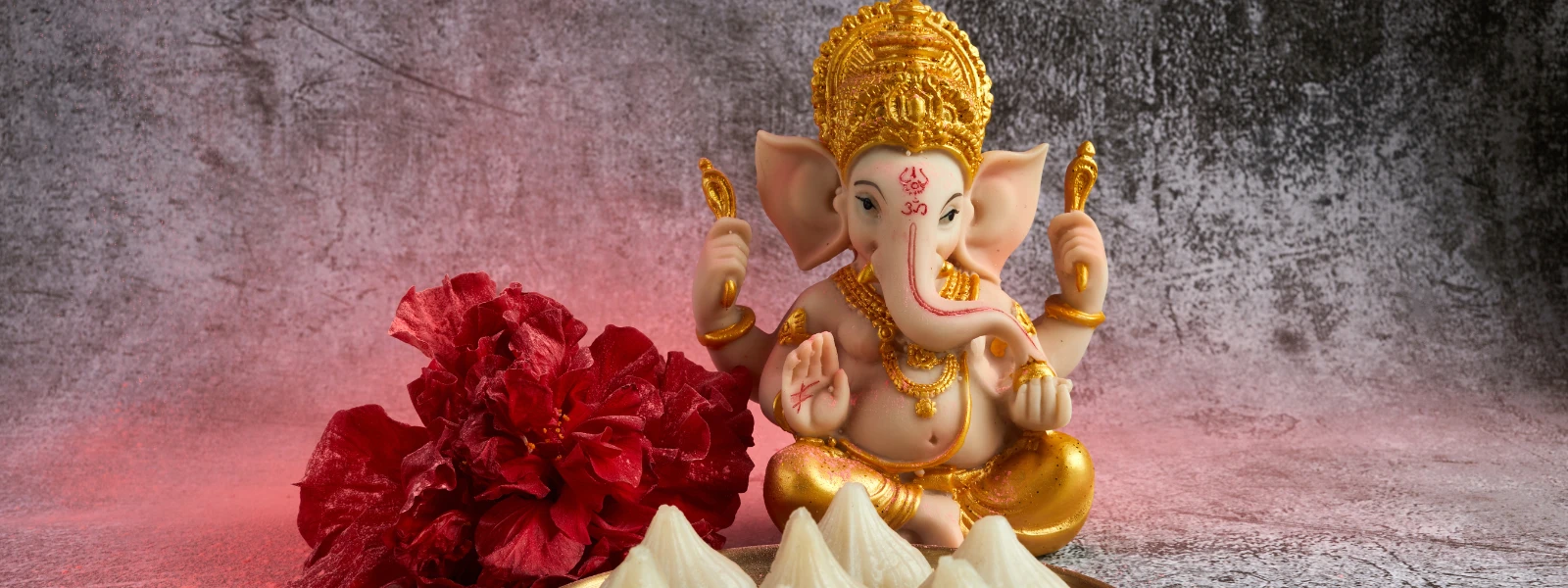
Ganesh Chaturthi brings joy and devotion to millions of homes, but it also presents an opportunity to celebrate sustainably. Creating your own eco friendly ganesh idol at home combines tradition with environmental consciousness. This ancient festival can honor Lord Ganesha while protecting our planet's precious water bodies and ecosystems. Making a clay ganesh idol yourself adds personal meaning to your celebration and ensures your devotion doesn't harm nature. Let's explore how you can craft a beautiful, biodegradable ganesh idol that dissolves harmlessly after immersion.
Traditional ganesh idol manufacturing often uses harmful chemicals, synthetic paints, and non-biodegradable materials like plaster of Paris. These materials pollute water bodies during visarjan, killing aquatic life and disrupting ecosystems. Chemical-based paints release toxic substances that contaminate drinking water sources and harm marine creatures. Eco friendly idols offer a sustainable alternative that honors both tradition and environmental responsibility. Natural clay dissolves completely in water within hours, leaving no harmful residue. Your family avoids exposure to toxic fumes from chemical paints, creating a healthier celebration environment. The cost-effectiveness of DIY eco friendly ganesha makes sustainable celebration accessible to everyone, often costing 70% less than store-bought alternatives. Communities worldwide are embracing this shift toward sustainable celebrations. Water bodies show remarkable recovery when communities switch to natural materials. Your choice to create an eco ganesh idol inspires neighbors and friends to follow suit, multiplying positive environmental impact.
Gathering the right materials ensures your natural ganesh idol turns out beautiful and environmentally safe. Quality materials make sculpting easier and create longer-lasting results during the festival period.
Shadu matti represents the gold standard for clay ganesh idol creation. This natural clay from riverbanks offers excellent moldability and dissolves completely in water. Local pottery shops often stock shadu matti, or you can order online from verified suppliers. Red soil mixed with natural binding agents creates an excellent alternative for eco friendly ganesh idol making. Garden centers typically carry suitable red clay, which you can enhance with rice paste or wheat flour for better consistency. Paper mache using old newspapers and natural glue provides another sustainable base material option.
Wooden sculpting tools work perfectly for detailed carving without damaging the clay surface. Bamboo sticks help create fine details like trunk curves and facial features. Your kitchen likely contains useful tools like spoons, forks, and butter knives for texturing. Natural colors from turmeric, vermillion, and herbal powders replace toxic synthetic paints. Beetroot juice creates beautiful red hues, while spinach juice offers vibrant green coloring. Water-based natural adhesives from rice paste or wheat flour bind decorative elements safely.
Creating your biodegradable ganesh idol becomes an enjoyable family activity that builds anticipation for the festival. Each step connects you deeper with the spiritual significance of Lord Ganesha while practicing environmental stewardship.
Mix three parts shadu matti with one part water gradually, kneading until you achieve smooth, pliable consistency. The clay should hold its shape without cracking but remain soft enough for detailed work. Add water slowly to avoid making the mixture too wet, which weakens the structure. Knead the clay for 10-15 minutes until completely smooth and free of air bubbles. Proper kneading prevents cracks during drying and ensures even texture throughout your seed ganesh idol if you choose to add seeds later.
Start with a basic oval shape for the body, roughly the size of your intended final idol. Form the distinctive elephant head by shaping a slightly smaller oval and attaching it securely to the body. The head should be proportionally larger than a human head to capture Ganesha's divine appearance. Carve the iconic trunk using gentle rolling motions, creating the characteristic S-curve that symbolizes adaptability. Shape the large ears by flattening clay pieces and attaching them symmetrically. Add four arms in traditional poses, with hands positioned for holding symbolic items or in blessing mudras.
Allow your sculpted ganesha idol to air dry for 24-48 hours before applying colors. Natural pigments work best on completely dry surfaces, ensuring vibrant, lasting colors throughout the festival period. Mix turmeric powder with water for golden yellow hues, perfect for Ganesha's traditional coloring. Vermillion creates the sacred red tilaka and other decorative elements. Apply colors with soft brushes or cotton swabs, building layers gradually for rich, even coverage.
Innovative approaches to eco friendly ganesh idol creation add unique meaning to your celebration while maximizing environmental benefits. These alternatives often become conversation starters that spread awareness about sustainable practices.
Incorporate flower or herb seeds directly into your clay mixture to create a truly living memorial. Mix marigold, tulsi, or wheat seeds into the clay before sculpting, ensuring they remain viable for sprouting after immersion. The dissolved clay provides nutrients for seed germination, creating beautiful plants from your devotion. Choose seeds that thrive in your local climate and soil conditions. Marigold seeds work excellently in most Indian climates, while tulsi seeds add spiritual significance to your seed ganesh idol. After home immersion, plant the clay remains in your garden to watch your devotion bloom into living beauty.
Coconut coir mixed with natural binding agents creates lightweight, completely biodegradable idols. This material works especially well for larger idols that might be heavy in pure clay. Shredded coconut husk provides excellent texture and dissolves rapidly in water. Edible materials like chocolate, jaggery, or pressed rice create unique biodegradable ganesh idol options. These materials can be consumed as prasad after the festival, eliminating waste completely. Fruit and vegetable carving offers another creative approach, though these require celebration within 2-3 days.
Decorating your eco friendly ganesha with natural materials completes the sustainable celebration theme. Traditional decorations often used natural elements exclusively, making this approach authentically cultural as well as environmentally conscious. Fresh flower garlands from marigolds, roses, or jasmine provide vibrant, fragrant decoration that composts naturally after the festival. Create backdrop decorations using banana leaves, mango leaves, and other biodegradable materials. These traditional elements carry deep cultural significance while supporting environmental goals. LED lights consume less energy than traditional bulbs and generate minimal heat, protecting your clay idol from premature drying. Solar-powered LED strings offer completely renewable lighting options. Natural oil lamps using sesame or coconut oil provide traditional ambiance with minimal environmental impact.
Responsible immersion practices ensure your eco ganesh idol benefits the environment rather than harming it. Understanding proper visarjan methods helps you complete the spiritual cycle while protecting water bodies.
Set up a large water tub or bucket for home immersion, allowing complete control over the dissolution process. Use clean water and perform the traditional rituals before gently placing your idol in the water. Natural clay typically dissolves within 2-4 hours, depending on thickness and composition. Collect the dissolved clay water for use in your garden, as it contains beneficial minerals for plants. The clay-enriched water provides excellent nutrition for potted plants and garden beds. This practice transforms your devotion into ongoing blessings for your home environment.
If participating in community immersion, choose designated eco-friendly spots that can handle natural materials safely. Verify that your natural ganesh idol contains no synthetic elements before immersion in natural water bodies. Many communities now provide artificial tanks specifically for eco-friendly idols. Coordinate with local environmental groups to ensure your celebration supports broader conservation efforts. Some communities organize collective eco-friendly celebrations that maximize positive impact while maintaining traditional spiritual significance.
Natural clay idols typically dissolve within 2-4 hours in water, depending on thickness and clay type. Thinner sections dissolve faster, while thicker areas may take up to 6 hours for complete dissolution.
Yes, dissolved clay makes excellent fertilizer for plants and can be mixed into garden soil. The clay-enriched water provides minerals and nutrients that benefit plant growth significantly.
Homemade eco-friendly idols typically cost 60-80% less than purchased alternatives. A medium-sized DIY idol costs around ₹50-100, while similar purchased idols range from ₹300-500.
Natural colors provide beautiful, authentic hues though they may appear more muted than synthetic alternatives. The spiritual significance and environmental benefits far outweigh any difference in brightness.
Proper clay preparation, adequate drying time, and careful handling prevent breakage. Avoid moving the idol frequently and protect it from direct sunlight and moisture during the celebration period.
Creating your own eco friendly ganesh idol transforms Ganesh Chaturthi into a celebration that honors both divine tradition and environmental responsibility. The process of crafting a clay ganesh idol by hand deepens spiritual connection while teaching valuable lessons about sustainability and mindful consumption. Your choice to make a biodegradable ganesh idol inspires others and contributes to a growing movement toward eco-conscious celebrations. Each natural idol represents a step toward cleaner water bodies, healthier communities, and a more sustainable future for festival traditions. The joy of creating something beautiful with your own hands, combined with the knowledge that your celebration helps rather than harms the environment, makes this approach deeply fulfilling on multiple levels.
