
DIY Stress Relief Air Freshener: A Complete Guide
Create Your Own Combo – Pick 4 Canisters & Save 10%
Get FREE Shipping on orders above ₹499/-!
Create Your Own Combo – Pick 4 Canisters & Save 10%
Get FREE Shipping on orders above ₹499/-!
Create Your Own Combo – Pick 4 Canisters & Save 10%
Get FREE Shipping on orders above ₹499/-!
Create Your Own Combo – Pick 4 Canisters & Save 10%
Get FREE Shipping on orders above ₹499/-!
Create Your Own Combo – Pick 4 Canisters & Save 10%
Get FREE Shipping on orders above ₹499/-!
Create Your Own Combo – Pick 4 Canisters & Save 10%
Get FREE Shipping on orders above ₹499/-!
Create Your Own Combo – Pick 4 Canisters & Save 10%
Get FREE Shipping on orders above ₹499/-!
Create Your Own Combo – Pick 4 Canisters & Save 10%
Get FREE Shipping on orders above ₹499/-!
Create Your Own Combo – Pick 4 Canisters & Save 10%
Get FREE Shipping on orders above ₹499/-!
Create Your Own Combo – Pick 4 Canisters & Save 10%
Get FREE Shipping on orders above ₹499/-!
Stress has become an unwelcome companion in our daily lives, but nature offers us a beautiful solution through the power of scent. Creating your own air freshener for stress relief isn't just about making your home smell good—it's about crafting a personal sanctuary that actively works to calm your mind and soothe your spirit. When you combine the ancient wisdom of aromatherapy for stress with simple DIY techniques, you create something far more powerful than any store-bought product. This guide will walk you through everything you need to know about making natural, effective stress-relief air fresheners that transform your space into a haven of tranquility.
The magic behind air freshener for stress relief lies in the fascinating connection between our sense of smell and our brain's emotional center. When you inhale calming scents, the scent molecules travel directly to your limbic system—the part of your brain that controls emotions, memories, and stress responses. This isn't just feel-good science; it's a proven pathway that can actually lower cortisol levels and activate your body's natural relaxation response. Unlike synthetic fragrances that simply mask odors, natural essential oils for anxiety work on a molecular level to influence your nervous system. Commercial air fresheners often contain phthalates and other chemicals that can actually increase stress on your body, while natural alternatives provide genuine therapeutic benefits. The difference is like comparing a photograph of a sunset to actually watching one—both might look similar, but only one truly affects your soul.
Building your personal collection of essential oils for anxiety is like assembling a toolkit for emotional wellness. Each oil brings its own unique properties and benefits, allowing you to customize your stress relief diffuser blends based on your specific needs and preferences. Lavender oil stands as the champion of relaxation, backed by countless studies showing its ability to reduce anxiety and promote restful sleep. Its gentle floral scent works almost instantly to calm racing thoughts and tense muscles. Bergamot oil offers a different approach—this citrusy wonder lifts your mood while simultaneously reducing stress hormones, making it perfect for those overwhelming days when you need both energy and calm.
The ancient practice of vedic aromatherapy teaches us to consider not just the scent, but the energetic properties of each oil. Sandalwood, revered in Vedic traditions, provides deep grounding energy that helps quiet mental chatter. Frankincense, known as the king of oils, promotes spiritual connection and profound relaxation. When selecting oils, look for those labeled as therapeutic grade or pure essential oils. The quality makes a tremendous difference in both safety and effectiveness. Your nose will often tell you everything you need to know—pure oils have complex, layered scents that evolve as you smell them, while synthetic versions tend to be flat and one-dimensional.
Creating your own natural air freshener blends allows you to tailor the experience exactly to your needs. These recipes use simple ingredients you can find easily, and each one targets different aspects of stress relief. The beauty of making your own relaxing fragrances lies in the process itself—the act of measuring, mixing, and creating becomes a mindful practice that starts your relaxation before you even use the final product.
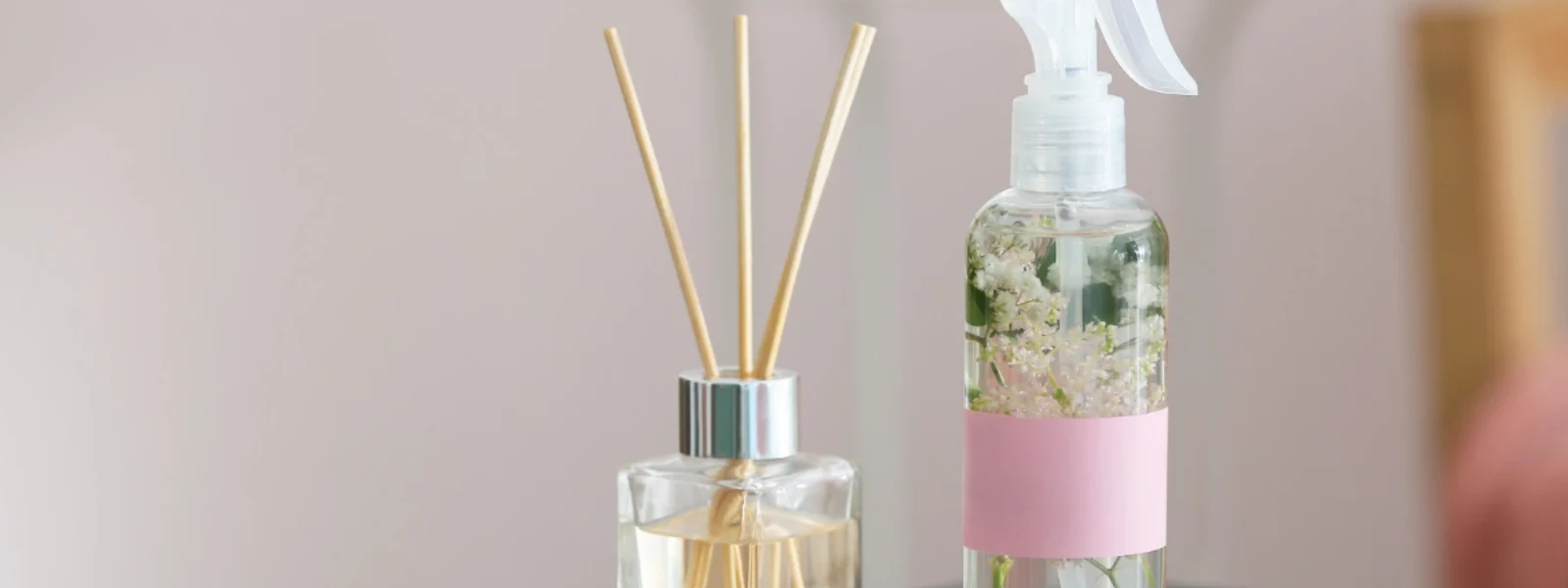
For a quick lavender-chamomile calming spray, combine 1 cup distilled water, 2 tablespoons witch hazel, 10 drops lavender oil, and 5 drops chamomile oil in a spray bottle. This gentle blend works wonderfully as a pillow spray or room mist when stress levels spike. The bergamot-sandalwood uplifting blend uses 8 drops bergamot, 6 drops sandalwood, and 4 drops sweet orange in the same base. This combination lifts your spirits while grounding your energy—perfect for those days when stress makes you feel scattered.
Reed diffusers provide constant, gentle fragrance without electricity or flames. Mix 1/4 cup carrier oil (like fractionated coconut oil) with 20-25 drops of your chosen essential oil blend. The reeds slowly draw up the oil mixture, releasing calming scents throughout your space for weeks. For a stress-away herbal blend, combine juniper (5 drops), cardamom (4 drops), and spearmint (6 drops). This unique combination helps clear mental fog while promoting emotional balance.
Beeswax aromatherapy melts offer another wonderful option for home fragrance for calm. Melt 2 tablespoons beeswax, remove from heat, add 15-20 drops essential oils, and pour into small molds. These natural alternatives to scented candles for stress provide fragrance without the concerns of synthetic wax or wicks. Clay diffuser stones work beautifully in small spaces. Simply add 3-5 drops of oil to unglazed clay pieces and place them around your room. They provide gentle, natural diffusion that lasts for hours.
Designing an effective stress relief diffuser system for your home involves more than just choosing good scents. Consider the flow of your daily routine and place different aromatherapy elements where you'll benefit most from them. Start with your bedroom, where a gentle lavender reed diffuser can promote better sleep. In your workspace, try energizing yet calming scents like peppermint mixed with lavender. Your living areas benefit from welcoming scents like bergamot and sandalwood that help you transition from the stress of the day to evening relaxation. Timing matters too. Use energizing scents in the morning, balancing blends during the day, and deeply relaxing fragrances in the evening. This creates a natural rhythm that supports your body's stress management systems throughout the day.
While natural doesn't always mean harmless, following proper safety guidelines ensures your DIY air fresheners remain the best air freshener for relaxation without any unwanted side effects. Always dilute essential oils properly—they're highly concentrated and can cause skin irritation or respiratory issues if used incorrectly. For room sprays, never exceed 1% essential oil concentration (about 6 drops per ounce of liquid). Pregnant women should avoid certain oils like clary sage and rosemary, while pet owners need to be cautious with oils like tea tree and eucalyptus that can be toxic to cats and dogs. Store your creations in dark glass bottles away from heat and light. Most DIY air fresheners last 3-6 months when stored properly, though oil-based products may last longer than water-based sprays.
The most effective stress-relieving scents include lavender, frankincense, roman chamomile, neroli, sweet marjoram, ylang-ylang, clary sage, and sandalwood. These work by activating the parasympathetic nervous system and reducing cortisol levels naturally.
Lavender oil tops research studies for stress relief, with over 100 peer-reviewed studies supporting its effectiveness. Bergamot, vetiver, jasmine, sandalwood, lemon, chamomile, and ylang-ylang oils also have strong scientific backing for anxiety and stress reduction.
Lavender remains the classic choice for anxiety relief, but chamomile, sandalwood, ylang-ylang, bergamot, patchouli, and eucalyptus also provide significant calming effects. The best choice often depends on personal preference and the specific type of anxiety you're experiencing.
Yes, natural DIY air fresheners made with essential oils avoid harmful chemicals like phthalates, formaldehyde, and synthetic fragrances found in commercial products. They provide therapeutic benefits while being safer for long-term use, especially for people with sensitivities or respiratory conditions.
Water-based sprays typically last 2-3 months when stored properly, while oil-based diffuser blends can last 6-12 months. Reed diffusers usually provide fragrance for 4-8 weeks, depending on the size of the room and the number of reeds used.
Creating your own air freshener for stress relief is more than just a DIY project—it's an investment in your daily well-being and a step toward a more natural, mindful lifestyle. The process of selecting oils, creating blends, and using them mindfully becomes part of your stress management routine. Remember that the best air freshener for relaxation is the one that resonates with you personally. Trust your instincts, experiment with different combinations, and pay attention to how different scents affect your mood and stress levels. With time, you'll develop your own signature blends that provide exactly the kind of calm and comfort your space needs.
