
Daily Mindfulness Puja: Your Complete Guide to Wellbeing
Create Your Own Combo – Pick 4 Canisters & Save 10%
Get FREE Shipping on orders above ₹499/-!
Create Your Own Combo – Pick 4 Canisters & Save 10%
Get FREE Shipping on orders above ₹499/-!
Create Your Own Combo – Pick 4 Canisters & Save 10%
Get FREE Shipping on orders above ₹499/-!
Create Your Own Combo – Pick 4 Canisters & Save 10%
Get FREE Shipping on orders above ₹499/-!
Create Your Own Combo – Pick 4 Canisters & Save 10%
Get FREE Shipping on orders above ₹499/-!
Create Your Own Combo – Pick 4 Canisters & Save 10%
Get FREE Shipping on orders above ₹499/-!
Create Your Own Combo – Pick 4 Canisters & Save 10%
Get FREE Shipping on orders above ₹499/-!
Create Your Own Combo – Pick 4 Canisters & Save 10%
Get FREE Shipping on orders above ₹499/-!
Create Your Own Combo – Pick 4 Canisters & Save 10%
Get FREE Shipping on orders above ₹499/-!
Create Your Own Combo – Pick 4 Canisters & Save 10%
Get FREE Shipping on orders above ₹499/-!
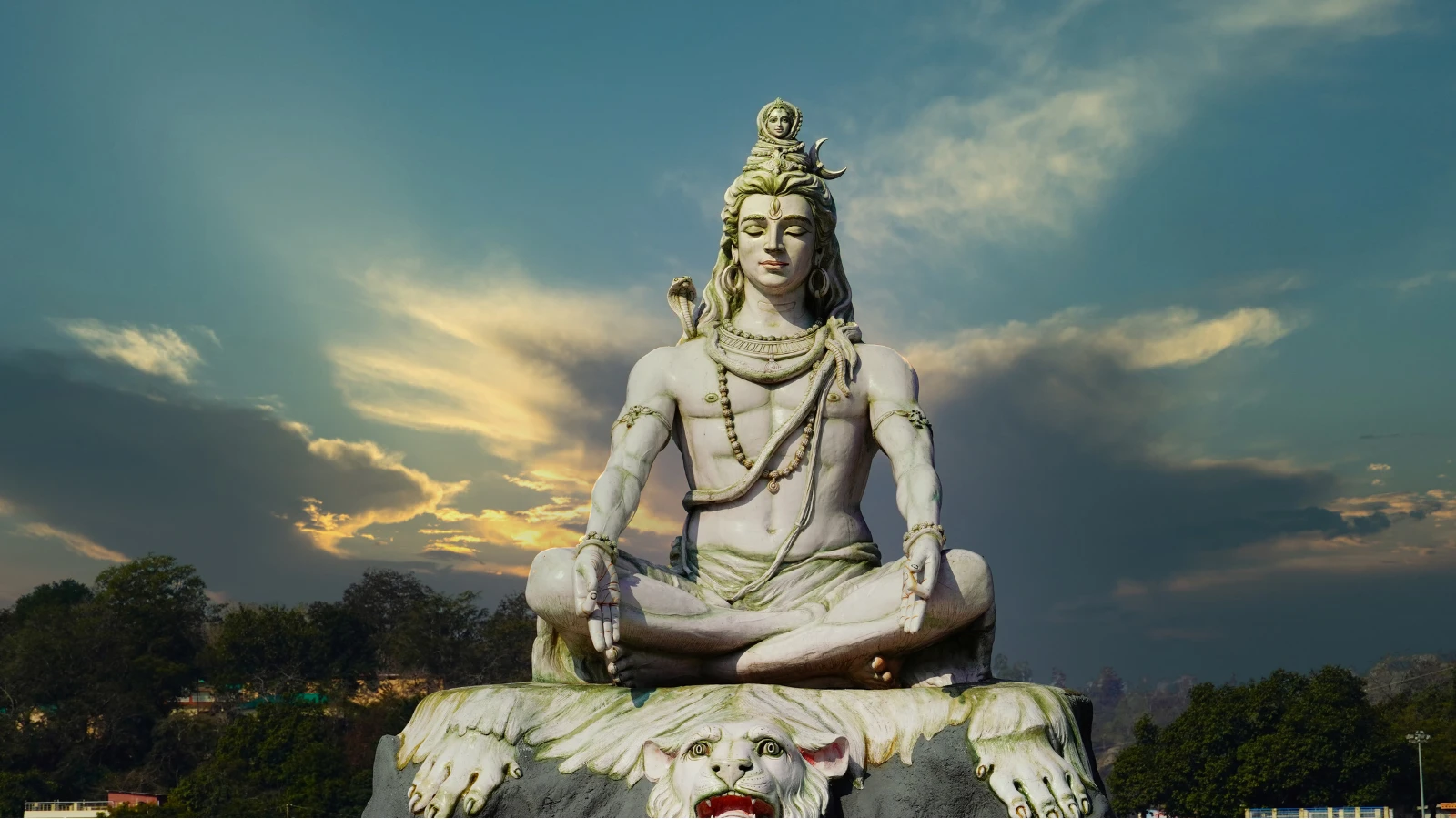
In our fast-paced world, finding moments of peace and connection can feel like an impossible task. Yet, ancient wisdom offers us a beautiful solution through the practice of daily mindfulness puja. This sacred ritual combines the depth of Vedic traditions with the clarity of modern mindfulness, creating a powerful pathway to wellbeing. Whether you're seeking stress relief, spiritual growth, or simply a moment of calm in your day, a mindful puja practice can transform your daily routine into a source of profound peace and purpose.
A daily mindfulness puja represents the beautiful marriage of ancient Vedic rituals with present-moment awareness. At its heart, puja means "worship" or "reverence," but when infused with mindfulness, it becomes something much deeper. This practice invites you to engage with sacred rituals while maintaining complete awareness of each moment, each breath, and each intention. Unlike traditional puja that might be performed automatically, mindfulness puja asks you to be fully present. You notice the texture of flowers in your hands, the warmth of the diya flame, and the gentle rise and fall of incense smoke. This conscious engagement transforms simple rituals into profound experiences of connection and peace.
Vedic traditions have always emphasized the importance of intention and awareness in spiritual practice. When we add modern mindfulness techniques, we create a practice that honors ancient wisdom while meeting contemporary needs. This fusion helps busy individuals find spiritual grounding without abandoning their cultural roots.
Every mindful practice begins with setting a clear intention, or sankalpa. You create a sacred space, gather your ritual items mindfully, and approach each element with reverence. The key difference lies in your awareness – you're not just performing actions, but experiencing them fully.
Research consistently shows that regular spiritual mindfulness practices offer remarkable benefits for both mental and physical health. When you engage in daily puja with mindful awareness, you're essentially training your brain to find calm amidst chaos. The repetitive nature of rituals creates a meditative state that reduces cortisol levels and promotes deep relaxation. Studies on vedic mindfulness practices reveal significant improvements in stress management, emotional regulation, and overall life satisfaction. The combination of focused attention, rhythmic breathing, and meaningful ritual creates a perfect storm for healing and growth.
Daily puja practice acts as a natural antidepressant. The ritual structure provides stability, while mindful awareness helps you process emotions without judgment. Many practitioners report feeling more centered and resilient after establishing a consistent practice.
The gentle movements involved in puja – lighting diyas, arranging flowers, offering water – become forms of moving meditation. These actions, performed mindfully, improve coordination and body awareness while promoting relaxation.
Regular puja for wellbeing deepens your sense of connection to something greater than yourself. This spiritual dimension provides meaning and purpose that extends far beyond the ritual itself.
Your sacred space doesn't need to be elaborate or expensive. What matters most is intention and consistency. A simple corner of your room can become a powerful sanctuary when approached with reverence and care. The key is creating a space that feels separate from daily concerns – a place where you can step into sacred time. Consider incorporating natural elements like flowers, water, and earth-based items. Sambrani cups can purify the air while creating a peaceful atmosphere. Oil diyas provide gentle illumination that enhances the meditative quality of your practice.
Your altar should include items that speak to your heart. Traditional elements might include a small statue or image, fresh flowers, water in a beautiful bowl, and natural incense. Dhoop sticks or dhoop cones can create the perfect aromatic backdrop for your practice.
Living in small spaces doesn't limit your practice. A portable puja kit can transform any corner into sacred space. Even a simple tray with a few meaningful objects can serve as your mobile altar.
Beginning your daily puja practice requires gentle patience with yourself. Start with just five to ten minutes, focusing on quality over quantity. The beauty of this practice lies not in perfection, but in showing up consistently with an open heart. Your morning routine might begin with simple cleansing – washing your hands and face mindfully, setting your intention for the day. As you light your agnihotra diyas or air purifier cakes, notice how the flame dances and the smoke rises. These small observations anchor you in the present moment.
Begin by taking three conscious breaths. Set your intention for the practice and the day ahead. This simple preparation shifts your mindset from ordinary consciousness to sacred awareness.
Light your diya with full attention, feeling gratitude for the light it brings. Offer flowers while noticing their beauty and fragrance. Speak your prayers or mantras slowly, feeling each word. End with a moment of silent appreciation.
Evening practice focuses on gratitude and release. Review your day with compassion, acknowledging both challenges and blessings. This reflection completes the circle of mindful awareness.
Ancient vedic rituals offer profound techniques that remain remarkably relevant today. Breathing practices, or pranayama, form the foundation of mindful awareness. When integrated with puja, these techniques deepen your experience and enhance the benefits of your practice. Mantra repetition during puja creates a meditative rhythm that calms the mind. Whether you choose traditional Sanskrit mantras or simple affirmations in your native language, the key is repetition with awareness. Destress vedic cones infused with calming fragrances can support this practice beautifully.
Simple breathing techniques like alternate nostril breathing can be incorporated into your puja. These practices balance your nervous system and prepare your mind for deeper spiritual connection.
The vibration of sacred sounds creates powerful shifts in consciousness. Even humming softly while performing your rituals can enhance the meditative quality of your practice.
Visualization practices help focus the mind and deepen spiritual connection. You might visualize light emanating from your diya, spreading peace throughout your home and beyond.
Sustainability in mindfulness rituals comes from starting small and building gradually. Many people begin with enthusiasm but burn out quickly when they set unrealistic expectations. Instead, commit to just five minutes daily for the first week, then slowly expand your practice as it becomes natural. Consistency matters more than duration. A brief, heartfelt practice performed daily creates more transformation than lengthy sessions done sporadically. Aroma therapy sticks can help establish routine by creating sensory cues that signal sacred time.
Choose the same time each day for your practice. Morning works well for many people, as it sets a peaceful tone for the entire day. Link your puja to an existing habit, like having your morning tea.
Your practice will naturally evolve with life's changes. During busy periods, even lighting a single divine wellness t-light candle with intention can maintain your connection to the practice.
Progress in spiritual practice isn't always obvious. Notice subtle changes in how you handle stress, your general mood, and your sense of connection to others. These indicators often reveal the profound impact of consistent practice.
Beginners should start with 5-10 minutes daily. As your practice deepens, you might naturally extend to 15-30 minutes. The key is consistency rather than duration.
Basic supplies include a small diya or candle, incense or sambrani cups, fresh flowers, and a bowl of water. A puja and wellness home kit provides everything needed to begin.
Absolutely! This practice is designed to be accessible to everyone, regardless of experience level. Start simple and let your practice evolve naturally.
Morning is ideal as it sets a peaceful tone for the day. However, any consistent time that works with your schedule will be beneficial.
Gentle redirection is key. When your mind wanders, simply notice without judgment and return attention to your breath or the ritual at hand.
Yes! This practice can be approached as a mindfulness technique focused on gratitude, intention-setting, and present-moment awareness.
Many people notice increased calm and focus within the first week. Deeper benefits like improved stress resilience typically develop over several weeks of consistent practice.
Yes! The combination of ritual, mindfulness, and sacred space creates powerful stress relief. The practice activates the relaxation response naturally.
Children often love the sensory aspects of puja. Simple activities like lighting diyas (with supervision) or arranging flowers can introduce them to mindful awareness.
Daily mindfulness puja offers a beautiful bridge between ancient wisdom and modern wellbeing needs. This practice doesn't require you to abandon your current lifestyle or beliefs – instead, it enhances whatever spiritual foundation you already have. Whether you're drawn to the stress-relief benefits, the spiritual growth opportunities, or simply the peace of a few mindful moments each day, this practice can transform your relationship with both the sacred and the everyday. Remember, the most powerful practice is the one you actually do consistently. Start small, be patient with yourself, and allow this ancient wisdom to work its gentle magic in your modern life.
