
Cow Dung Diyas: Your Complete Eco-Friendly Guide
Create Your Own Combo – Pick 4 Canisters & Save 10%
Get FREE Shipping on orders above ₹499/-!
Create Your Own Combo – Pick 4 Canisters & Save 10%
Get FREE Shipping on orders above ₹499/-!
Create Your Own Combo – Pick 4 Canisters & Save 10%
Get FREE Shipping on orders above ₹499/-!
Create Your Own Combo – Pick 4 Canisters & Save 10%
Get FREE Shipping on orders above ₹499/-!
Create Your Own Combo – Pick 4 Canisters & Save 10%
Get FREE Shipping on orders above ₹499/-!
Create Your Own Combo – Pick 4 Canisters & Save 10%
Get FREE Shipping on orders above ₹499/-!
Create Your Own Combo – Pick 4 Canisters & Save 10%
Get FREE Shipping on orders above ₹499/-!
Create Your Own Combo – Pick 4 Canisters & Save 10%
Get FREE Shipping on orders above ₹499/-!
Create Your Own Combo – Pick 4 Canisters & Save 10%
Get FREE Shipping on orders above ₹499/-!
Create Your Own Combo – Pick 4 Canisters & Save 10%
Get FREE Shipping on orders above ₹499/-!
Have you ever wondered what happens to those beautiful cow dung diyas after your puja ends? Instead of throwing them away, you can transform these sacred lights into nutrient-rich compost for your garden. Composting cow dung diyas is not just an eco-friendly practice – it's a perfect way to complete the circle of sustainability while honoring the sacred materials that brought light to your spiritual moments. This ancient practice connects our modern environmental consciousness with traditional wisdom, creating something truly meaningful for both our homes and the earth.
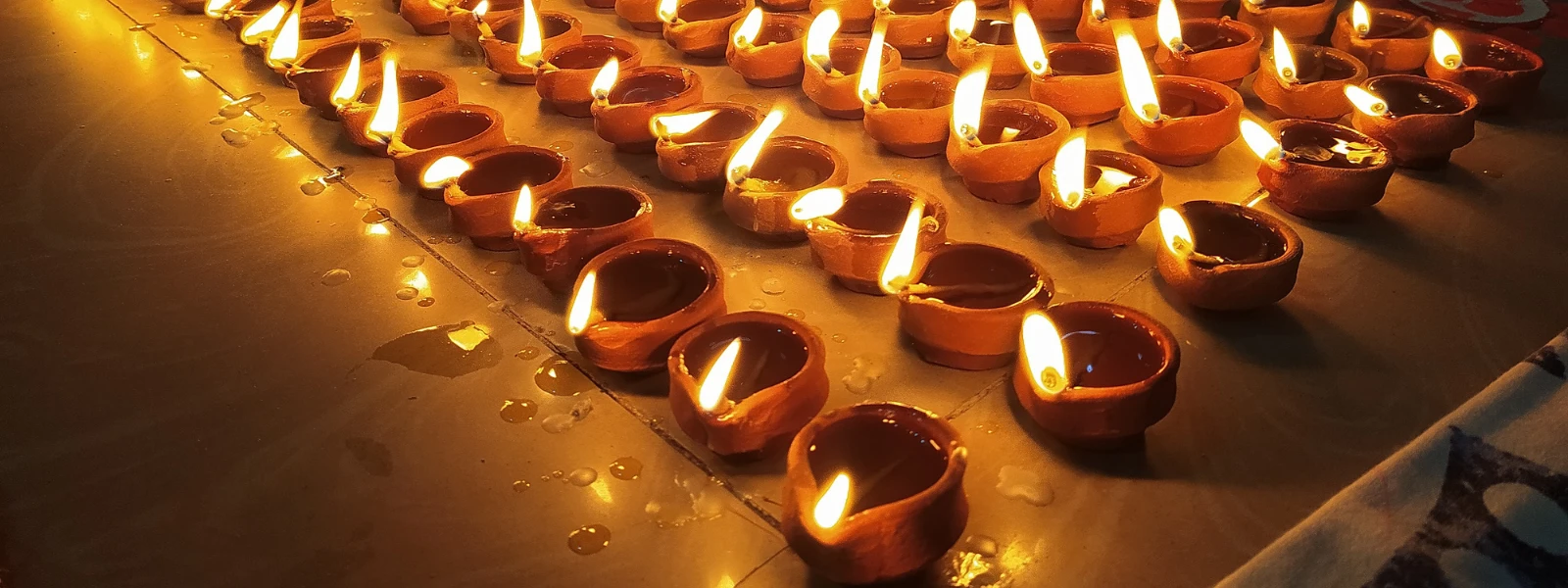
Cow dung diyas have been lighting up Indian homes for thousands of years, and there's good reason why they remain popular today. These natural diyas are made from fresh cow dung mixed with hay or dried grass, shaped by hand, and dried in the sun. Unlike clay diyas that can crack or synthetic alternatives that release harmful chemicals, organic diyas burn cleanly and safely. The beauty of gomaya diyas lies in their simplicity and purity. When you light one during your daily prayers or festivals, you're not just illuminating your space – you're participating in a vedic tradition that honors nature. These eco-friendly diyas cost much less than store-bought alternatives and can be made at home with just a few natural ingredients.
Synthetic diyas often contain paraffin wax and artificial fragrances that can trigger allergies and release toxins when burned. Diyas for puja made from cow dung, however, actually purify the air as they burn. The natural antimicrobial properties of cow dung help create a healthier environment in your prayer room.
In vedic traditions, cow dung is considered pure and auspicious. Using gomaya diyas during festivals like Diwali or daily prayers connects you to ancient wisdom while supporting sustainable living practices.
Making natural diyas at home is surprisingly simple and rewarding. You'll need fresh cow dung, dried grass or hay, and a little water. The process takes about 30 minutes of active work, plus 2-3 days for proper drying. Start by mixing one part fresh cow dung with half a part of finely chopped dried grass. Add just enough water to make the mixture moldable but not sticky. The consistency should be similar to clay – firm enough to hold its shape but soft enough to work with your hands.
Take a small handful of the mixture and roll it into a ball. Press your thumb into the center to create a well for the oil and wick. The walls should be about half an inch thick to prevent cracking during drying.
Place your shaped gomaya diyas in a sunny, well-ventilated area. Turn them once daily to ensure even drying. Properly dried organic diyas will be light brown and feel firm to the touch. This usually takes 2-3 days depending on weather conditions.
Composting cow dung diyas is where the magic really happens. After your diyas have served their spiritual purpose, they become valuable organic matter for your garden. The composting process transforms these sacred objects into nutrient-rich soil amendment that plants absolutely love. Before adding used diyas to your compost, remove any remaining wick material and oil residue. Cotton wicks can be composted, but synthetic ones should be removed. Gently break the diyas into smaller pieces to speed up decomposition.
For faster results, add your broken composting diyas to an active hot compost pile. Mix them with green materials like kitchen scraps and brown materials like dried leaves. The diyas will break down completely in 4-6 weeks.
If you prefer a slower, less hands-on method, simply bury the diya pieces in your garden soil or add them to a cold compost bin. This method takes 3-4 months but requires minimal effort.
Using diyas for puja creates a special atmosphere that electric lights simply cannot match. The gentle, flickering flame helps focus the mind during meditation and prayer. Many practitioners find that vedic diyas enhance their spiritual experience by connecting them to ancient traditions. The act of lighting a cow dung diya itself becomes a mindful practice. As you pour oil and position the wick, you're taking a moment to center yourself and prepare for spiritual connection.
Always place natural diyas on stable, heat-resistant surfaces away from curtains or other flammable materials. Keep a small bowl of water nearby for safety, and never leave burning diyas unattended.
Combine your organic diyas with other natural elements like fresh flowers, incense made from natural ingredients, or small plants to create a truly sacred atmosphere.
Sustainable diyas offer incredible environmental benefits compared to mass-produced alternatives. By choosing eco-friendly diyas, you're reducing plastic waste, supporting local agriculture, and participating in a circular economy where nothing goes to waste. The carbon footprint of homemade cow dung diyas is practically zero. The materials are locally sourced, the production requires no electricity or machinery, and the end product enriches soil rather than polluting it.
When you source cow dung from local farmers, you're supporting rural communities and encouraging sustainable farming practices. This creates a positive cycle that benefits everyone involved.
Unlike industrial diya production, making gomaya diyas requires minimal water. The composting process also helps improve soil water retention in your garden.
In an active hot compost pile, composting cow dung diyas break down completely in 4-6 weeks. Cold composting takes 3-4 months. The exact timing depends on temperature, moisture, and how finely you break up the diyas before composting.
Yes, cow dung diyas are completely safe for indoor use when properly made and dried. They actually help purify indoor air due to the natural antimicrobial properties of cow dung. Always ensure good ventilation and follow basic fire safety practices.
Remove synthetic wicks before composting diyas. Cotton wicks can be composted along with the diya, but synthetic materials like nylon or polyester won't break down and can contaminate your compost.
Properly dried natural diyas can last 6-12 months when stored in a dry place. They may become more fragile over time, but this doesn't affect their burning quality or compostability.
Both are eco-friendly, but cow dung diyas have a slight edge because they're made from waste material and add nutrients when composted. Clay diyas require firing in kilns, which uses energy, though they're still much better than synthetic alternatives.
Yes, compost from composting cow dung diyas is excellent for all plants. The resulting compost is rich in nitrogen, phosphorus, and organic matter that most plants love. It's particularly beneficial for vegetables, flowers, and fruit trees.
Wear gloves when working with fresh cow dung and wash hands thoroughly afterward. Ensure the cow dung is from healthy animals and avoid using it if it has an unusual smell or appearance. Let the mixture dry completely before handling the finished diyas.
One kilogram of fresh cow dung typically makes 15-20 medium-sized organic diyas. The exact number depends on the size you prefer and how much dried grass you mix in.
Composting cow dung diyas represents the perfect marriage of spiritual practice and environmental responsibility. By choosing these sustainable diyas for your prayers and festivals, you're honoring ancient wisdom while caring for our planet's future. The journey from sacred light to garden gold shows us how traditional practices often contain the solutions we need for modern environmental challenges. Start small with just a few homemade diyas, and you'll soon discover the joy of this completely natural, spiritually meaningful, and environmentally beneficial practice.
