
Complete Guide: What is Sambrani and Its Ingredients
Create Your Own Combo – Pick 4 Canisters & Save 10%
Get FREE Shipping on orders above ₹499/-!
Create Your Own Combo – Pick 4 Canisters & Save 10%
Get FREE Shipping on orders above ₹499/-!
Create Your Own Combo – Pick 4 Canisters & Save 10%
Get FREE Shipping on orders above ₹499/-!
Create Your Own Combo – Pick 4 Canisters & Save 10%
Get FREE Shipping on orders above ₹499/-!
Create Your Own Combo – Pick 4 Canisters & Save 10%
Get FREE Shipping on orders above ₹499/-!
Create Your Own Combo – Pick 4 Canisters & Save 10%
Get FREE Shipping on orders above ₹499/-!
Create Your Own Combo – Pick 4 Canisters & Save 10%
Get FREE Shipping on orders above ₹499/-!
Create Your Own Combo – Pick 4 Canisters & Save 10%
Get FREE Shipping on orders above ₹499/-!
Create Your Own Combo – Pick 4 Canisters & Save 10%
Get FREE Shipping on orders above ₹499/-!
Create Your Own Combo – Pick 4 Canisters & Save 10%
Get FREE Shipping on orders above ₹499/-!
Have you ever walked into a temple and been greeted by that distinctive, calming aroma that seems to transport you to another realm? That's likely sambrani, one of India's most cherished natural incenses. This sacred aromatic resin has been purifying spaces and elevating spiritual practices for thousands of years. From ancient Ayurvedic texts to modern wellness routines, sambrani continues to play a vital role in creating peaceful environments and supporting our well-being. Let's explore what makes this remarkable substance so special and discover the natural ingredients that give sambrani its unique properties.
Sambrani is a natural aromatic resin derived primarily from the Styrax benzoin tree, scientifically known as Styrax benzoin. This precious resin has been treasured in Indian culture for centuries, where it's known by various names including sambrani dhoop, loban, and benzoin resin. The word "sambrani" comes from the Sanskrit term "sambhrani," which means "that which brings together" or "unifies." Unlike synthetic air fresheners or artificial incense, sambrani is completely natural. When burned, it releases a sweet, vanilla-like fragrance with subtle floral undertones that create an instantly calming atmosphere. This makes it perfect for meditation, prayer, and spiritual practices.
In Hindu traditions, sambrani holds deep spiritual meaning. It's believed to purify negative energies and invite positive vibrations into any space. Many families use it during daily prayers, while temples incorporate it into elaborate ceremonies and festivals.
Understanding sambrani what is it made of helps us appreciate why this natural incense is so effective and beloved. The primary ingredient is benzoin resin, but the complete composition includes several natural elements that work together harmoniously. The main component is the resin extracted from Styrax benzoin trees, which are native to Southeast Asia, particularly Indonesia, Thailand, and parts of India. These trees produce a sticky, aromatic resin when their bark is cut or damaged. This resin is then collected, processed, and formed into the sambrani we use today.
• Benzoin resin - The core ingredient providing the distinctive aroma • Natural binding agents - Usually plant-based materials that help form the resin into usable shapes • Essential oils - Sometimes added to enhance fragrance and therapeutic properties • Herbal extracts - Traditional formulations may include ayurvedic herbs • Natural preservatives - Plant-based compounds that maintain freshness
Pure sambrani should have a translucent, amber-like appearance when in resin form. High-quality sambrani produces a clean, sweet smoke without any harsh or chemical odors. The fragrance should be pleasant and not overpowering, creating a sense of calm rather than irritation.
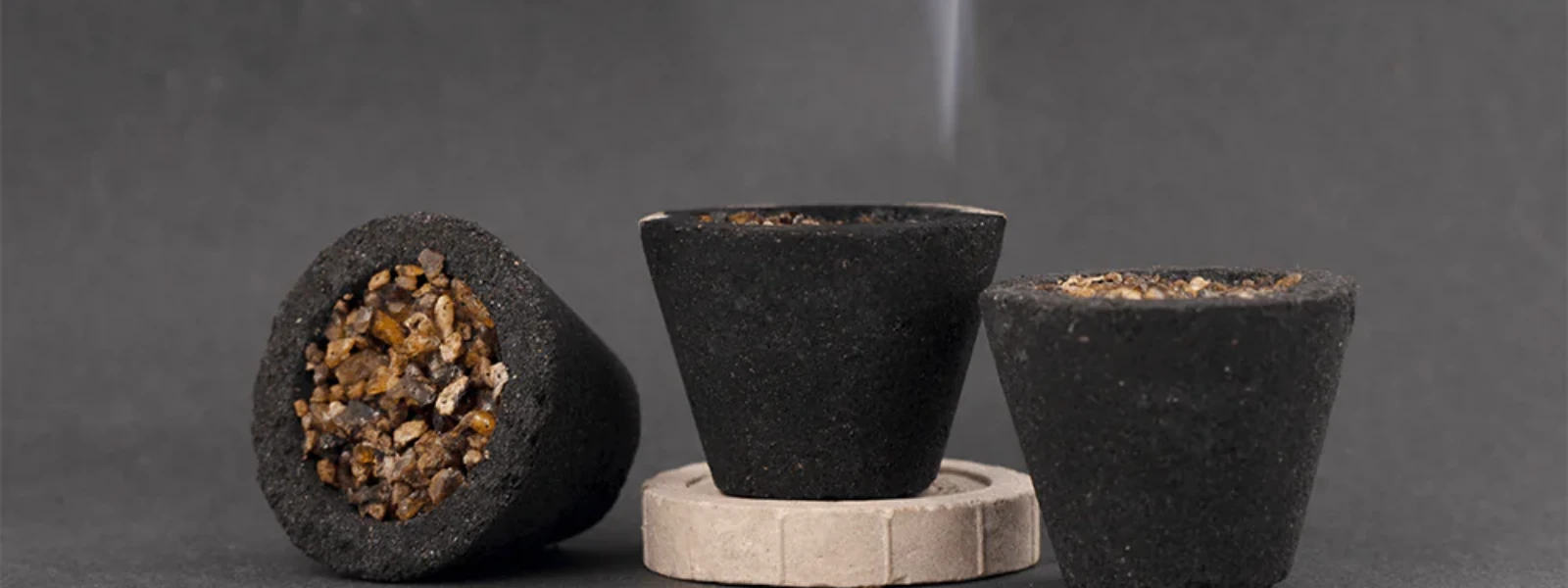
There are several types of sambrani available, each with its own unique blend of ingredients and specific uses. Understanding these varieties helps you choose the right type for your needs. Traditional cup sambrani is the most common form, where the resin is shaped into small cups or cones. This format makes it easy to burn and provides consistent fragrance release. Temple flower sambrani combines the pure resin with dried sacred flowers like jasmine, rose, or marigold, creating a more complex and spiritually significant aroma.
South Indian sambrani often includes additional herbs like sandalwood powder or tulsi, while North Indian varieties might incorporate rose petals or saffron. These regional differences reflect local preferences and traditional practices passed down through generations.
Handmade sambrani typically contains purer ingredients and follows traditional preparation methods. Commercial varieties might include synthetic fragrances or chemical additives, so it's important to choose products from trusted sources that prioritize natural ingredients.
The sambrani benefits extend far beyond just creating pleasant aromas. Scientific research has shown that benzoin resin possesses antimicrobial properties, making it effective for naturally purifying air and reducing harmful bacteria in indoor environments. From a wellness perspective, the aromatic compounds in sambrani can help reduce stress and anxiety. The sweet, calming fragrance triggers positive responses in our nervous system, promoting relaxation and mental clarity. Many people find that burning sambrani before meditation or prayer helps them achieve deeper focus and spiritual connection.
• Air purification - Natural antimicrobial properties cleanse indoor air • Respiratory support - May help clear breathing passages when used appropriately • Stress reduction - Aromatic compounds promote relaxation • Sleep improvement - Calming effects can support better rest
The spiritual benefits of sambrani have been recognized for millennia. In Vedic traditions, it's believed to create a protective barrier against negative energies while inviting divine blessings. The practice of burning sambrani during prayer or meditation is thought to elevate consciousness and deepen spiritual experiences.
Knowing how to use sambrani correctly ensures you get maximum benefits while maintaining safety. The traditional method involves using a special sambrani holder or small metal plate, along with a piece of burning charcoal. Start by lighting a small piece of charcoal until it glows red. Place this in your sambrani holder, then carefully place a piece of sambrani resin on top of the hot charcoal. The resin will begin to melt and release its aromatic smoke within moments.
• Always use sambrani in well-ventilated areas • Keep away from children and pets • Never leave burning sambrani unattended • Use appropriate holders designed for incense burning • Ensure proper ventilation to avoid smoke buildup
For sambrani for pooja, light it before beginning your prayers and allow the fragrance to fill the space. For meditation, burn sambrani about 10-15 minutes before your practice to create the right atmosphere. When using it for air purification, burn small amounts regularly rather than large quantities all at once.
Sambrani is primarily made from the resin of Styrax benzoin trees, which are native to Southeast Asia. These trees produce aromatic resin when their bark is cut or naturally damaged.
Yes, sambrani is essentially benzoin resin. The terms are often used interchangeably, though sambrani specifically refers to the Indian preparation and use of benzoin resin for spiritual and wellness purposes.
Sambrani is pure resin that requires charcoal to burn, while regular dhoop sticks contain bamboo cores and various powdered ingredients. Sambrani produces a cleaner, more natural fragrance without synthetic additives.
Yes, sambrani can be used daily in small quantities. Many people incorporate it into their morning prayers or evening meditation routines. However, ensure proper ventilation and avoid overuse.
When used properly, sambrani has minimal side effects. However, people with respiratory sensitivities should use it sparingly and ensure good ventilation. Pregnant women should consult healthcare providers before regular use.
The immediate fragrance from burning sambrani lasts 15-30 minutes, but subtle aromatic traces can linger in the environment for several hours, depending on ventilation and room size.
Sambrani represents a beautiful connection between ancient wisdom and modern wellness practices. Understanding what sambrani is made of helps us appreciate this natural gift that has been supporting human well-being for thousands of years. Whether you're seeking spiritual elevation, air purification, or simply a moment of peace in your busy day, sambrani offers a natural, time-tested solution. By choosing high-quality, pure sambrani and using it mindfully, you're not just enjoying a pleasant fragrance – you're participating in a sacred tradition that honors both nature and the human spirit.
