
8 Fascinating Steps to Make Authentic Sambrani Powder
Create Your Own Combo – Pick 4 Canisters & Save 10%
Get FREE Shipping on orders above ₹499/-!
Create Your Own Combo – Pick 4 Canisters & Save 10%
Get FREE Shipping on orders above ₹499/-!
Create Your Own Combo – Pick 4 Canisters & Save 10%
Get FREE Shipping on orders above ₹499/-!
Create Your Own Combo – Pick 4 Canisters & Save 10%
Get FREE Shipping on orders above ₹499/-!
Create Your Own Combo – Pick 4 Canisters & Save 10%
Get FREE Shipping on orders above ₹499/-!
Create Your Own Combo – Pick 4 Canisters & Save 10%
Get FREE Shipping on orders above ₹499/-!
Create Your Own Combo – Pick 4 Canisters & Save 10%
Get FREE Shipping on orders above ₹499/-!
Create Your Own Combo – Pick 4 Canisters & Save 10%
Get FREE Shipping on orders above ₹499/-!
Create Your Own Combo – Pick 4 Canisters & Save 10%
Get FREE Shipping on orders above ₹499/-!
Create Your Own Combo – Pick 4 Canisters & Save 10%
Get FREE Shipping on orders above ₹499/-!

The ancient practice of creating sambrani powder connects us to centuries of Vedic wisdom and spiritual tradition. This sacred incense has been a cornerstone of Indian spiritual practices, filling homes with divine fragrance while purifying both air and soul. Learning how sambrani powder is made opens a window into our rich cultural heritage, where every grain carries the essence of traditional knowledge passed down through generations. Today, we'll explore the fascinating eight-step process that transforms simple raw materials into this powerful spiritual tool.
Sambrani holds a special place in Indian spiritual traditions, tracing its roots back to ancient Vedic practices. This aromatic resin comes from the Boswellia tree family and has been used for thousands of years in religious ceremonies and wellness rituals. The word "sambrani" itself derives from Sanskrit, meaning "that which brings together" or "unifies." Traditional texts describe its ability to bridge the earthly and divine realms through its sacred smoke. Ancient sages recognized its power to cleanse negative energies while inviting positive vibrations into living spaces.
Today, sambrani incense continues to play a vital role in daily spiritual practices across India. Families light sambrani during evening prayers, festivals, and special occasions. Its use extends beyond religious ceremonies to include meditation, yoga practices, and general wellness routines.
Creating authentic sambrani powder requires specific ingredients that have been used for generations. The quality of these materials directly impacts the final product's effectiveness and spiritual potency. The primary ingredient is pure sambrani resin, harvested from Boswellia trees found in specific regions of India and Arabia. Traditional practitioners emphasize sourcing resin from trees that are at least ten years old, as younger trees produce less potent materials.
Traditional sambrani powder often includes complementary herbs and natural materials. These may include dried flowers like rose petals or jasmine, medicinal herbs such as tulsi or neem, and sometimes precious woods like sandalwood. Each ingredient serves a specific purpose in enhancing the powder's spiritual and therapeutic properties.
Mastering how to make sambrani powder requires patience, respect, and attention to traditional methods. Each step builds upon the previous one, creating a process that honors both the materials and the spiritual significance of the final product.
The journey begins with carefully selecting high-quality sambrani resin. Traditional practitioners examine each piece for color, texture, and aroma. Pure sambrani appears golden-yellow to amber, feels slightly sticky when warm, and releases a sweet, woody fragrance. Avoid pieces that look too dark, feel completely hard, or lack distinctive aroma.
Once selected, the raw materials undergo thorough cleansing. Remove any bark, leaves, or foreign particles manually. Some practitioners perform this step while chanting mantras, believing that positive intentions enhance the powder's spiritual properties. Clean each piece gently with a soft brush, ensuring no contamination remains.
Proper drying preserves the resin's active compounds while removing excess moisture. Place cleaned sambrani pieces on a clean cloth in indirect sunlight for three to five days. Traditional methods avoid direct heat or artificial drying, which can damage delicate aromatic compounds. The resin should become brittle and break easily when properly dried.
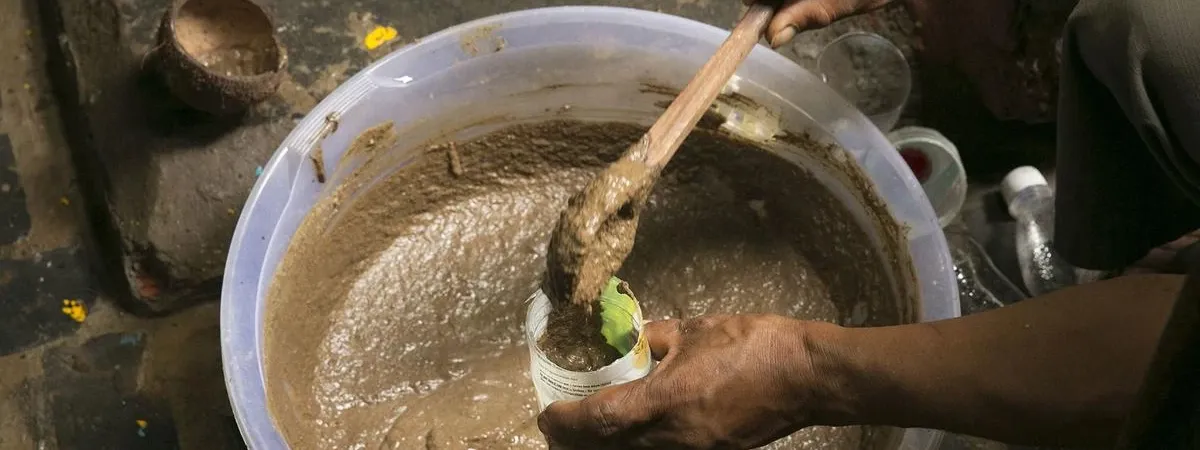
Grinding requires special attention to maintain the powder's spiritual energy. Traditional stone grinders or mortars work best, as metal tools can alter the material's properties. Work in small batches, grinding slowly and steadily. The goal is creating a fine, uniform powder without generating excessive heat that could damage essential oils.
Sieving ensures consistent texture and removes any coarse particles. Use fine cloth or traditional sieves with small holes. Multiple sieving rounds create increasingly fine powder. Some practitioners save coarser particles for mixing with other incense preparations, ensuring nothing goes to waste.
Traditional storage preserves the powder's potency and prevents contamination. Use airtight containers made from natural materials like clay or glass. Avoid plastic containers, which can affect the powder's aroma. Store in cool, dry places away from direct sunlight. Some families add a few grains of rice to absorb excess moisture.
Many traditional practitioners perform blessing ceremonies before using newly made sambrani powder. This might include offering prayers, chanting specific mantras, or simply setting positive intentions. These rituals honor the materials and enhance the powder's spiritual effectiveness in future applications.
The final step involves evaluating the completed powder through traditional methods. Good sambrani powder should have a fine, uniform texture, rich golden color, and strong, pleasant aroma. When burned, it should produce white, fragrant smoke without excessive residue. Experienced practitioners can assess quality through sight, smell, and touch alone.
Sambrani powder uses extend far beyond simple fragrance. This versatile material supports spiritual practices, wellness routines, and environmental purification efforts. In spiritual contexts, sambrani powder benefits include enhancing meditation depth, supporting prayer focus, and creating sacred atmospheres. Many practitioners report improved concentration and deeper spiritual connections when using authentic sambrani during their practices.
Traditional wellness systems recognize sambrani's therapeutic properties. When burned, it may help purify air, support respiratory health, and create calming environments. Some practitioners use sambrani powder application in specific rituals designed to promote mental clarity and emotional balance.
Making sambrani powder at home requires avoiding several common pitfalls that can compromise quality and effectiveness. Understanding these mistakes helps ensure successful results. One frequent error involves rushing the drying process. Inadequately dried resin creates powder that clumps together and loses potency quickly. Another mistake is using metal grinding tools, which can generate heat and damage delicate compounds.
Improper storage quickly degrades sambrani powder quality. Exposure to moisture, heat, or light can cause the powder to lose its aromatic properties and develop unwanted odors. Always prioritize proper storage containers and environmental conditions.
Sambrani powder is a finely ground form of sambrani resin, derived from Boswellia trees. It's used in spiritual practices, meditation, and traditional wellness routines throughout India and other parts of Asia.
When stored properly in airtight containers away from heat and moisture, sambrani powder can maintain its potency for six months to one year. Signs of degradation include loss of aroma and changes in color or texture.
Yes, making sambrani powder at home is generally safe when following traditional methods and using pure, high-quality raw materials. Always ensure proper ventilation when burning the finished product.
Homemade sambrani powder often has stronger aroma and better spiritual potency compared to mass-produced versions. Traditional preparation methods preserve more of the resin's natural properties and allow for customization with additional herbs or materials.
Learning how sambrani powder is made connects us to ancient traditions while providing practical skills for spiritual practice. The eight-step process requires patience, respect, and attention to detail, but rewards practitioners with high-quality, potent sambrani powder. Whether used for daily prayers, meditation, or special ceremonies, handmade sambrani powder carries the intention and care invested in its creation. By following traditional methods and avoiding common mistakes, anyone can master this sacred art and enjoy the spiritual benefits of authentic sambrani incense.