
7 Minimalist Sacred Space Ideas for Inner Peace
Create Your Own Combo – Pick 4 Canisters & Save 10%
Get FREE Shipping on orders above ₹499/-!
Create Your Own Combo – Pick 4 Canisters & Save 10%
Get FREE Shipping on orders above ₹499/-!
Create Your Own Combo – Pick 4 Canisters & Save 10%
Get FREE Shipping on orders above ₹499/-!
Create Your Own Combo – Pick 4 Canisters & Save 10%
Get FREE Shipping on orders above ₹499/-!
Create Your Own Combo – Pick 4 Canisters & Save 10%
Get FREE Shipping on orders above ₹499/-!
Create Your Own Combo – Pick 4 Canisters & Save 10%
Get FREE Shipping on orders above ₹499/-!
Create Your Own Combo – Pick 4 Canisters & Save 10%
Get FREE Shipping on orders above ₹499/-!
Create Your Own Combo – Pick 4 Canisters & Save 10%
Get FREE Shipping on orders above ₹499/-!
Create Your Own Combo – Pick 4 Canisters & Save 10%
Get FREE Shipping on orders above ₹499/-!
Create Your Own Combo – Pick 4 Canisters & Save 10%
Get FREE Shipping on orders above ₹499/-!

Creating a minimalist sacred space in your home doesn't require elaborate decorations or expensive items. In fact, the beauty of minimalism lies in its simplicity and intentionality. When you strip away the unnecessary and focus on what truly matters, you create a powerful environment for spiritual growth and inner peace. Whether you're seeking a quiet corner for daily meditation or a dedicated area for spiritual practices, these seven ideas will help you design a sacred sanctuary that nurtures your soul without overwhelming your senses.
A truly minimalist approach to sacred space design focuses on three core principles: intention, simplicity, and functionality. Unlike traditional spiritual spaces that might be filled with numerous artifacts and decorations, a minimalist sacred space embraces the power of less. Every element serves a purpose, and nothing is included without careful consideration.
The benefits of this approach extend far beyond aesthetics. When you remove visual clutter from your spiritual practice area, you also clear mental clutter. This creates space for deeper meditation, clearer thinking, and more meaningful spiritual experiences. The absence of distractions allows your mind to settle more quickly into a peaceful state.
Before diving into specific ideas, it's important to understand the fundamental elements that make any sacred space at home effective. Natural light plays a crucial role in creating an uplifting atmosphere, so positioning your space near a window can enhance the energy significantly. Good ventilation ensures the air feels fresh and clean, supporting both physical comfort and spiritual clarity.
Color palettes should remain neutral and calming. Think soft whites, warm beiges, gentle grays, or earthy tones that promote tranquility. The principle of quality over quantity means choosing fewer items of higher significance rather than filling the space with many objects. Remember, negative space itself becomes a powerful element in minimalist design, providing visual rest and mental calm.
These carefully curated ideas will help you transform any area of your home into a peaceful sanctuary. Each concept can be adapted to fit your available space, personal preferences, and spiritual practices.
Transform an unused corner into a powerful meditation room minimalist setup using just a few key elements. Place a single floor cushion or meditation mat in the corner, creating a defined space for your practice. Above this, mount a simple floating shelf to hold one meaningful object – perhaps a small statue, crystal, or candle.
The corner naturally creates boundaries and intimacy, making it easier to feel contained and focused during meditation. This setup works particularly well in bedrooms or living rooms where space is limited but the need for spiritual practice remains strong.
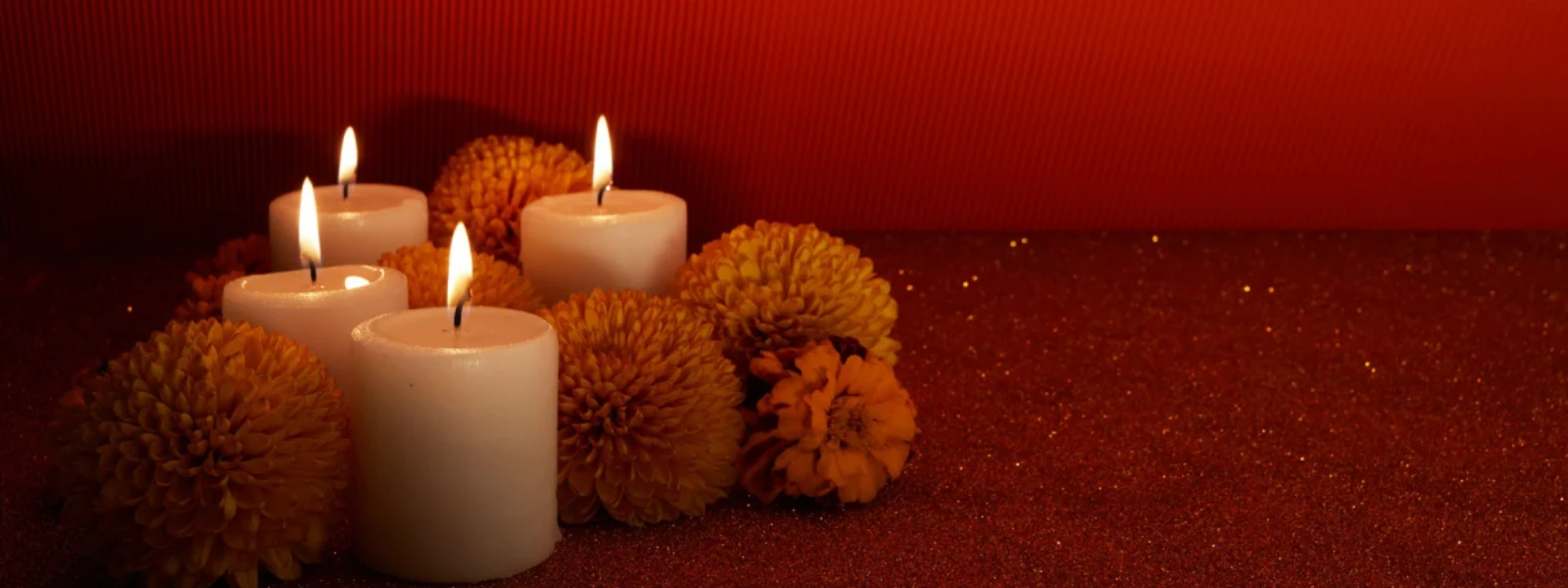
A wall-mounted shelf creates an elegant minimalist altar that doesn't take up floor space. Choose a simple wooden or white shelf and limit yourself to three essential items: a candle for light, a small plant for life energy, and one meaningful spiritual object that represents your personal beliefs or intentions.
This approach keeps your altar elevated both literally and energetically, while maintaining clean lines throughout your space. The floating design also makes cleaning easier and prevents the accumulation of unnecessary items.
Harness the power of natural light by creating your spiritual sanctuary near a window. Use the windowsill as your altar space, incorporating live plants and natural materials like stones, shells, or pieces of wood. The changing light throughout the day adds a dynamic element to your practice.
This setup connects you directly with nature's rhythms and seasons, supporting a more grounded and earth-connected spiritual practice. The natural elements require minimal maintenance while providing maximum spiritual benefit.
For those with extremely limited space or frequent travelers, a portable sacred space offers flexibility without sacrifice. Create a small kit using a beautiful cloth, a travel-sized candle, a small crystal or meaningful stone, and perhaps a pocket-sized spiritual text or prayer card.
This solution allows you to maintain your spiritual practice anywhere, whether you're in a small apartment, staying in hotels, or simply want the option to practice in different locations within your home.
A small sand tray with a wooden rake creates a meditative focal point that engages both mind and hands. This minimalist meditation space encourages mindful practice through the simple act of creating patterns in sand. The repetitive motion becomes a form of moving meditation.
Choose a shallow wooden tray, fill it with fine sand, and include a small rake. The act of smoothing and patterning the sand before and after meditation helps transition your mind into and out of spiritual practice.
Sometimes the most powerful sacred spaces contain just one meaningful element surrounded by intentional emptiness. This might be a beautiful statue, a large crystal, a piece of meaningful artwork, or even a single plant. The surrounding negative space amplifies the energy and significance of your chosen focal point.
This approach works particularly well for those who feel overwhelmed by multiple spiritual objects or who want to deepen their relationship with one particular symbol or practice.
Create a space that serves multiple functions while maintaining its sacred quality. A simple bench or low table can serve as both seating and altar space. Include hidden storage underneath for spiritual books, cushions, or other practice materials that can be easily accessed when needed.
This solution works well in small homes where every square foot must serve multiple purposes, yet the need for spiritual practice remains important.
Begin by choosing a location that feels naturally peaceful to you. This might be a quiet corner, a spot near a window, or even a section of your bedroom. The key is selecting a place where you can practice without frequent interruptions.
Next, clear the area completely. Remove all non-essential items and clean the space thoroughly. This physical clearing creates energetic clearing as well. Then, introduce your chosen elements one at a time, paying attention to how each addition affects the overall feeling of the space. Trust your intuition about what feels right and what feels like too much.
Maintaining a minimalist sacred space requires regular attention but minimal effort. Daily practices might include lighting a candle or incense, such as sambrani cups for natural air purification, or simply spending a few moments in quiet appreciation. Weekly maintenance involves gentle cleaning and refreshing any natural elements like plants or flowers.
Allow your space to evolve naturally with your spiritual journey. As your practice deepens or changes, your sacred space can adapt accordingly. The key is maintaining the minimalist principle while honoring your growth and changing needs.
You can create an effective minimalist sacred space in as little as two square feet. Even a small corner of a room, a windowsill, or a section of a dresser top can serve as a powerful spiritual sanctuary when designed with intention and simplicity.
Essential items include one source of light (candle or small lamp), one natural element (plant, stone, or shell), and one meaningful spiritual object. These three categories cover the basic energetic needs while maintaining simplicity.
Absolutely. Sacred spaces can be entirely secular, focusing on natural elements, meaningful personal objects, or simply creating a designated area for quiet reflection and meditation. The sacred quality comes from your intention, not from specific religious symbols.
Regular use is the best way to maintain positive energy. Daily practices like lighting incense, brief meditation, or simply pausing for gratitude help keep the space energetically active. Weekly cleaning and occasional refreshing of elements also support ongoing vitality.
Neutral colors like soft whites, warm beiges, gentle grays, and natural earth tones create the most peaceful atmosphere. These colors promote calm and don't compete with your spiritual practice for attention.
Creating a minimalist sacred space is about honoring your spiritual needs while embracing the peace that comes from simplicity. Whether you choose a corner meditation sanctuary, a floating altar, or a nature-inspired window space, the key lies in intentional design and regular use. Remember that the most powerful sacred spaces are those that support your personal spiritual journey, regardless of their size or complexity. Start small, stay consistent, and allow your space to evolve naturally as your practice deepens.