
Spiritual Rituals: Your Complete Guide to Well-Being
Create Your Own Combo – Pick 4 Canisters & Save 10%
Get FREE Shipping on orders above ₹499/-!
Create Your Own Combo – Pick 4 Canisters & Save 10%
Get FREE Shipping on orders above ₹499/-!
Create Your Own Combo – Pick 4 Canisters & Save 10%
Get FREE Shipping on orders above ₹499/-!
Create Your Own Combo – Pick 4 Canisters & Save 10%
Get FREE Shipping on orders above ₹499/-!
Create Your Own Combo – Pick 4 Canisters & Save 10%
Get FREE Shipping on orders above ₹499/-!
Create Your Own Combo – Pick 4 Canisters & Save 10%
Get FREE Shipping on orders above ₹499/-!
Create Your Own Combo – Pick 4 Canisters & Save 10%
Get FREE Shipping on orders above ₹499/-!
Create Your Own Combo – Pick 4 Canisters & Save 10%
Get FREE Shipping on orders above ₹499/-!
Create Your Own Combo – Pick 4 Canisters & Save 10%
Get FREE Shipping on orders above ₹499/-!
Create Your Own Combo – Pick 4 Canisters & Save 10%
Get FREE Shipping on orders above ₹499/-!
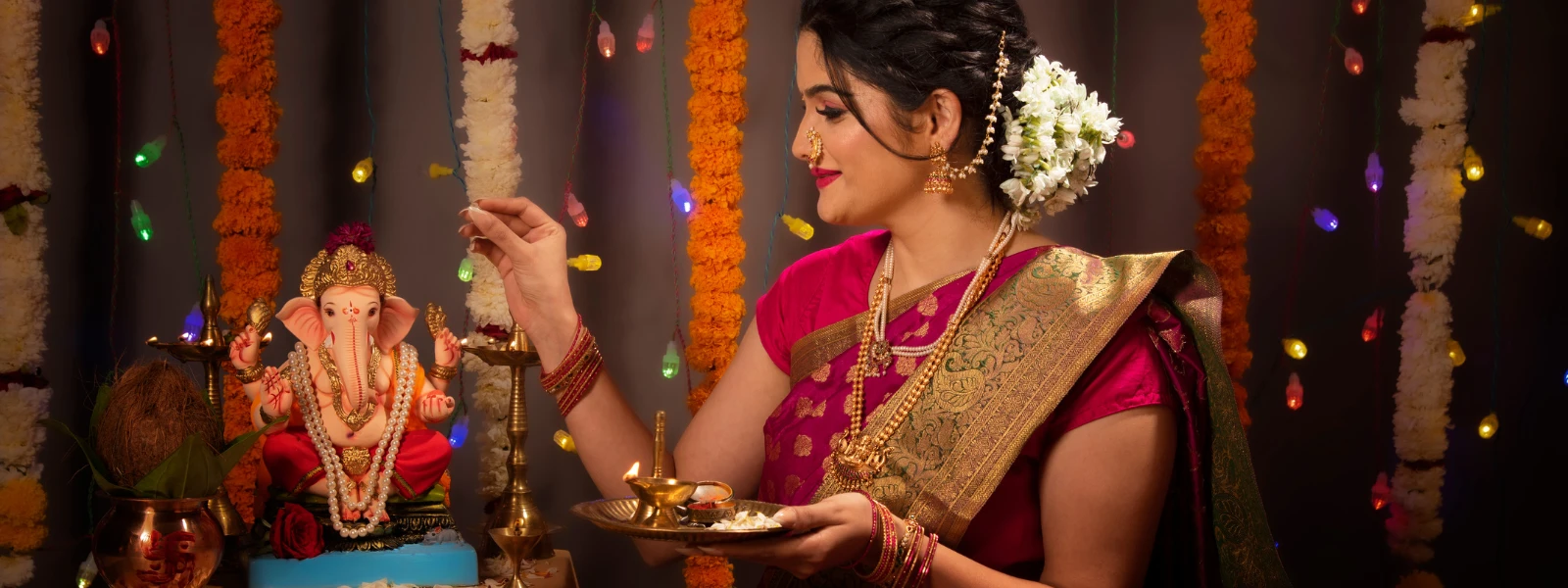
Life moves fast these days. Between work deadlines, family responsibilities, and endless notifications, finding peace can feel impossible. Yet across cultures and centuries, humans have turned to spiritual rituals as anchors of calm and meaning. Whether it's lighting a diya at sunset, taking five mindful breaths before meals, or setting aside Sunday mornings for reflection, these sacred practices offer something our busy minds desperately need. The benefits of spiritual rituals extend far beyond religious tradition—they're scientifically proven pathways to better mental health, emotional balance, and overall well-being.
Spiritual practices are intentional actions performed with reverence and mindfulness to connect with something greater than ourselves. Unlike habits we do automatically, sacred rituals require presence and purpose. They create sacred space in ordinary time. The purpose of rituals runs deep in human nature. Archaeological evidence shows our ancestors performed ceremonies 100,000 years ago. From ancient fire ceremonies to modern meditation apps, humans have always sought structured ways to process emotions, mark important moments, and find meaning.
Religious rituals follow established traditions within faith communities. Think Sunday mass, Shabbat dinners, or daily prayers facing Mecca. Personal rituals are self-created practices that reflect individual values and needs. You might light incense while journaling, practice gratitude before bed, or take mindful walks in nature.
Spiritual well-being affects every aspect of health. Research from Harvard Medical School shows people with strong spiritual practices have lower rates of depression, better immune function, and longer lifespans. When we nurture our spiritual side, our bodies and minds follow suit.
Modern research confirms what ancient wisdom always knew—ritual benefits are real and measurable. Here's what happens in your brain and body when you embrace spiritual practices.
A study in Psychosomatic Medicine found that people who practice daily rituals show 23% lower cortisol levels than those who don't. When you light a candle and sit quietly for ten minutes each morning, you're literally rewiring your stress response. The predictable nature of ritual creates safety for your nervous system.
Mindfulness rituals strengthen the prefrontal cortex—your brain's CEO. Regular meditation, prayer, or contemplative practices increase gray matter density in areas responsible for attention and decision-making. Even five minutes of focused breathing before important meetings can sharpen your mental edge.
Rituals provide containers for difficult emotions. When grief overwhelms you, lighting a memorial candle creates space to feel without drowning. When anxiety spirals, returning to familiar prayers or mantras offers emotional anchoring. Sacred rituals don't eliminate pain—they help you move through it with grace.
Viktor Frankl observed that humans can endure almost anything if they find meaning in it. Spiritual practices connect daily actions to larger purposes. Whether you're blessing your food, setting intentions at dawn, or practicing loving-kindness meditation, rituals remind you that your life matters.
The beauty of spiritual rituals lies in their diversity. You don't need elaborate ceremonies or expensive equipment—just intention and consistency.
Start small with practices that fit your schedule. Morning intention-setting takes two minutes but sets your entire day's tone. Evening gratitude reflection helps process the day's experiences. Mindful eating transforms ordinary meals into moments of appreciation. • Light a diya or candle while setting daily intentions • Practice three deep breaths before meals • Write one thing you're grateful for before bed • Take mindful steps when walking between rooms
Longer rhythms create deeper renewal. Many traditions observe weekly rest days—not just physical rest, but spiritual restoration. Monthly practices like new moon intention-setting or full moon release ceremonies align you with natural cycles.
Major life changes need ritual containers. Graduations, marriages, deaths, job changes—these transitions benefit from ceremonial acknowledgment. Seasonal celebrations like solstices connect you to earth's rhythms and remind you that change is natural.
Building authentic spiritual practices requires experimentation and patience. What moves your soul might bore someone else—and that's perfectly fine.
Successful rituals share common features. They happen in designated sacred space—even if that's just a corner of your bedroom. They involve meaningful objects like candles, crystals, photos, or religious symbols. Most importantly, they require your full presence.
You can honor ancient wisdom while making it relevant to modern life. Traditional prayer beads become mindfulness tools. Ancient chanting becomes humming your favorite spiritual songs. The key is maintaining the essence while adapting the form.
Even the most dedicated practitioners face obstacles. Recognizing these challenges helps you navigate them skillfully.
Sometimes practices that once felt meaningful become mechanical. This spiritual dryness is normal. Try adding new elements—different music, locations, or objects. Sometimes stepping away briefly helps you return with fresh appreciation.
Perfection isn't the goal—connection is. Start with tiny practices you can't fail at. Two minutes of morning breathing is better than ambitious hour-long meditations you skip. Build slowly and celebrate small wins.
Neuroscience reveals why spiritual rituals work so effectively. Repetitive practices create new neural pathways through neuroplasticity. Your brain literally rewires itself for greater peace and resilience. The predictable nature of ritual also reduces uncertainty—a major source of anxiety in modern life. Community rituals add another layer of benefit. Shared practices release oxytocin, the bonding hormone, creating deeper social connections. Whether you're chanting with others or simply knowing millions worldwide are practicing similar rituals, you're tapping into collective spiritual energy.
Absolutely. Spiritual practices don't require specific religious beliefs. Secular rituals like gratitude journaling, nature meditation, or mindful movement provide the same benefits. The key is approaching them with reverence and intention.
Rituals provide stress relief, emotional regulation, sense of purpose, community connection, and mental clarity. They create structure in chaotic times and help process life's transitions with greater ease and meaning.
When practiced rigidly or obsessively, rituals can become burdensome. The key is maintaining flexibility and remembering that rituals serve you—not the other way around. If a practice creates stress rather than peace, it's time to adjust or release it.
Many people notice immediate calming effects, but deeper benefits develop over weeks and months. Research shows measurable brain changes after eight weeks of regular meditation. Trust the process and focus on consistency over intensity.
Spiritual rituals complement but don't replace professional mental health care. They're powerful tools for maintaining well-being and supporting recovery, but serious mental health conditions require qualified professional treatment.
The benefits of spiritual rituals are both ancient wisdom and modern science. In our fast-paced world, these practices offer islands of peace and meaning. Start small, stay consistent, and trust that even simple rituals can transform your daily experience. Whether you light incense, practice gratitude, or simply pause for three conscious breaths, you're participating in humanity's oldest wellness practice—the sacred art of ritual.
