
Sambrani vs Incense Sticks: Complete Guide to Aroma
Create Your Own Combo – Pick 4 Canisters & Save 10%
Get FREE Shipping on orders above ₹499/-!
Create Your Own Combo – Pick 4 Canisters & Save 10%
Get FREE Shipping on orders above ₹499/-!
Create Your Own Combo – Pick 4 Canisters & Save 10%
Get FREE Shipping on orders above ₹499/-!
Create Your Own Combo – Pick 4 Canisters & Save 10%
Get FREE Shipping on orders above ₹499/-!
Create Your Own Combo – Pick 4 Canisters & Save 10%
Get FREE Shipping on orders above ₹499/-!
Create Your Own Combo – Pick 4 Canisters & Save 10%
Get FREE Shipping on orders above ₹499/-!
Create Your Own Combo – Pick 4 Canisters & Save 10%
Get FREE Shipping on orders above ₹499/-!
Create Your Own Combo – Pick 4 Canisters & Save 10%
Get FREE Shipping on orders above ₹499/-!
Create Your Own Combo – Pick 4 Canisters & Save 10%
Get FREE Shipping on orders above ₹499/-!
Create Your Own Combo – Pick 4 Canisters & Save 10%
Get FREE Shipping on orders above ₹499/-!

The world of traditional fragrances offers two powerful options that have graced Indian homes for centuries. Whether you're setting up your first pooja room or looking to enhance your spiritual practice, understanding the differences between these ancient aromatic traditions can transform your daily rituals. Both sambrani and incense sticks carry deep cultural significance while offering unique benefits for your home and well-being. Let's explore how these time-honored fragrances compare and which might be the perfect fit for your spiritual journey.
Sambrani, also known as benzoin resin, represents one of India's most treasured natural incense traditions. This golden-brown resin comes from the bark of Styrax trees and has been used in spiritual practices for over 3,000 years. Unlike modern commercial products, sambrani maintains its pure, unadulterated form as nature intended. The preparation of traditional incense like sambrani follows ancient methods passed down through generations. Families would collect the resin, dry it naturally under the sun, and store it in clay pots to preserve its potency. This time-tested process ensures that every piece of sambrani retains its full therapeutic and spiritual properties. Culturally, sambrani holds special significance in Indian households. It's considered sacred in Hindu traditions and is often used during important ceremonies, festivals, and daily prayers. The thick, aromatic smoke is believed to purify spaces, ward off negative energies, and create a divine atmosphere that enhances meditation and spiritual connection.
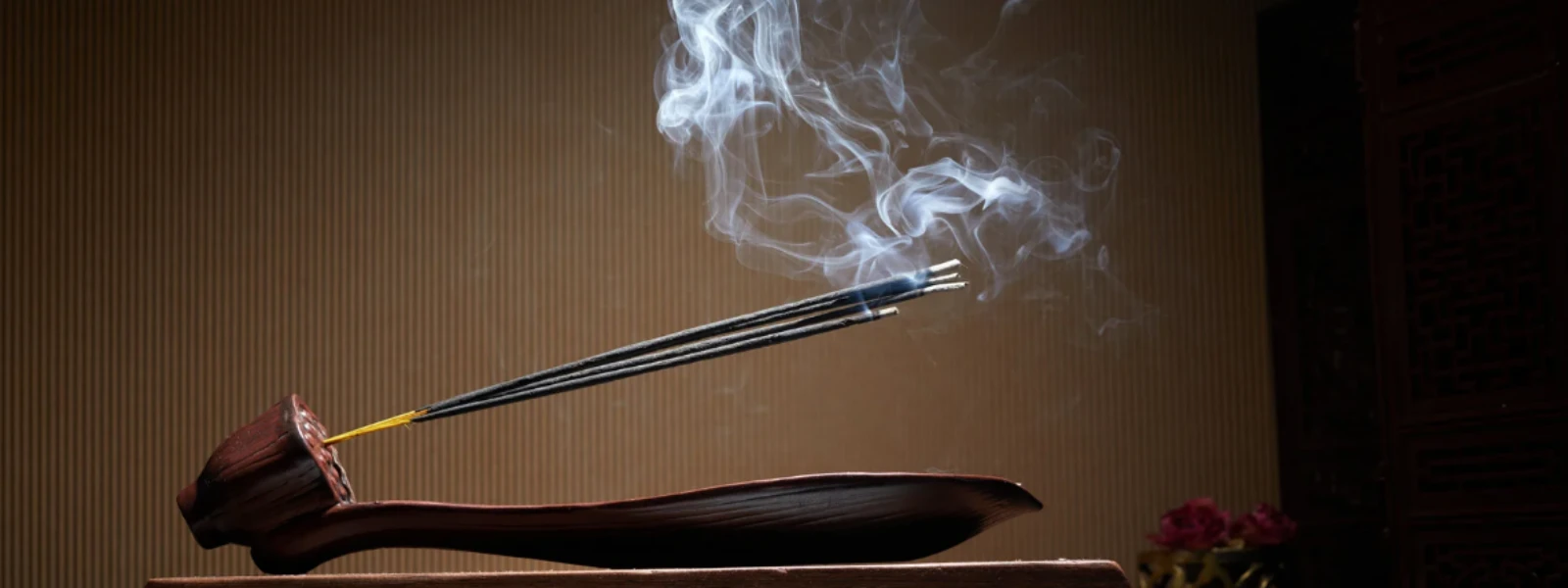
Incense sticks, or agarbatti, represent the evolution of Indian incense from traditional loose resins to convenient, ready-to-use forms. These slender sticks consist of a bamboo core coated with a paste made from aromatic materials, binding agents, and fragrant oils. The manufacturing process has made spiritual fragrances accessible to millions of households worldwide. Modern incense sticks come in three main varieties. Masala incense sticks use dry ingredients ground into powder and mixed with natural binders. Charcoal-based sticks offer intense fragrances but may contain synthetic elements. Bamboo core sticks provide the most common format, offering convenience and consistent burning. The evolution from traditional incense to commercial production has brought both benefits and challenges. While mass production has made spiritual fragrances affordable and widely available, it has also led to the inclusion of synthetic fragrances and chemicals in some products. Quality varies significantly between manufacturers, making it important to choose products that maintain traditional standards.
The fundamental difference between sambrani and incense sticks lies in their composition. Sambrani remains in its pure resin form, containing no additives or synthetic materials. Incense sticks, however, require binding agents, bamboo cores, and often include synthetic fragrances to achieve consistent results. Burning methods also differ significantly. Sambrani requires charcoal or an electric burner to release its fragrance, creating thick, billowing smoke that fills large spaces quickly. Incense sticks burn independently once lit, producing a steady stream of lighter smoke that's perfect for smaller areas and daily use.
Sambrani benefits extend far beyond pleasant fragrance. This natural resin possesses powerful antimicrobial properties that help purify the air and eliminate harmful bacteria. Studies have shown that burning sambrani can reduce airborne pathogens by up to 94%, making it an excellent choice for maintaining healthy indoor environments. The therapeutic effects of sambrani include stress relief, improved concentration, and enhanced meditation experiences. The natural compounds in benzoin resin have been shown to reduce anxiety levels and promote feelings of calm and well-being. Many practitioners report deeper spiritual experiences when using sambrani during meditation and prayer. Incense sticks benefits focus more on mood enhancement and creating pleasant atmospheres. Quality incense sticks can help reduce stress, improve focus during spiritual practices, and create positive associations with daily rituals. However, the benefits largely depend on the quality of ingredients used in manufacturing. Safety considerations favor sambrani when comparing pure, natural options. However, both require proper ventilation and should be used in moderation. People with respiratory sensitivities should start with small amounts and ensure adequate airflow when using either option.
Sambrani excels in specific scenarios where its powerful properties shine brightest. Religious ceremonies and special occasions benefit from sambrani's intense fragrance and thick smoke, which creates a truly divine atmosphere. The resin's natural purification properties make it ideal for cleansing new homes, after illness, or during important spiritual milestones. Deep meditation and spiritual practices often call for sambrani's profound aromatic presence. The rich, complex fragrance helps practitioners achieve deeper states of consciousness and enhanced spiritual connection. Many yoga instructors and meditation teachers prefer sambrani for its ability to transform ordinary spaces into sacred sanctuaries. Incense sticks prove perfect for daily pooja essentials and regular worship routines. Their convenience makes them ideal for busy households where lighting sambrani might be impractical. The controlled burn time and lighter smoke production suit modern homes and apartments where ventilation might be limited. For home fragrance and general ambiance, incense sticks offer unmatched convenience. They're perfect for creating pleasant atmospheres during social gatherings, study sessions, or relaxation time. The wide variety of available fragrances allows users to match scents to specific moods and occasions.
Using sambrani traditionally involves placing small pieces on glowing charcoal in a metal burner or clay pot. The charcoal should be fully ignited and glowing red before adding the resin. Modern electric sambrani burners offer a safer, more convenient alternative while maintaining the authentic experience. Safety precautions for sambrani include ensuring adequate ventilation, keeping the burner on a heat-resistant surface, and never leaving it unattended. The thick smoke can be overwhelming in small spaces, so start with tiny amounts and gradually increase based on room size and personal preference. Incense sticks require simpler techniques but still benefit from proper handling. Light the tip until it glows, then blow out the flame, allowing the stick to smolder. Place it in an appropriate holder that catches ash and provides stability. Position the holder away from curtains, papers, and other flammable materials. Optimal burning duration for incense sticks typically ranges from 30 to 60 minutes, depending on length and thickness. This makes them perfect for timed meditation sessions or specific ritual durations. Always extinguish sticks completely after use and dispose of ash safely.
Choosing between sambrani and incense sticks depends on several personal factors. Consider your frequency of use, available time for preparation, and desired intensity of fragrance. Sambrani suits those who prefer traditional methods and don't mind the extra preparation time, while incense sticks appeal to those seeking convenience without sacrificing spiritual benefits. Budget considerations also play a role in decision-making. While sambrani might seem more expensive initially, its concentrated nature means a little goes a long way. High-quality incense sticks might cost less per piece but require more frequent replacement. Calculate costs based on actual usage patterns rather than initial purchase price. Health sensitivities should guide your choice significantly. Those with respiratory issues might find sambrani's intense smoke challenging, making milder incense sticks a better option. Conversely, people sensitive to synthetic fragrances might prefer pure sambrani over commercial incense products.
Pure sambrani generally offers more health benefits due to its natural antimicrobial properties and lack of synthetic additives. However, quality incense sticks made from natural ingredients can also provide health benefits. The key is choosing products free from harmful chemicals and synthetic fragrances.
Sambrani typically burns for 15-30 minutes per piece, while incense sticks burn for 30-60 minutes. However, sambrani's fragrance tends to linger longer in the environment, providing extended aromatic benefits even after the resin has finished burning.
Yes, many practitioners combine both for different purposes. You might use sambrani for special ceremonies and incense sticks for daily prayers. However, avoid burning them simultaneously in small spaces to prevent overwhelming fragrance intensity.
Dhoop refers to incense without a bamboo core, burning as a solid cone or cylinder. Dhoop vs incense mainly differs in burning method and smoke production. Dhoop produces more smoke and burns faster, while incense sticks offer controlled, longer burning.
Natural incense products like pure sambrani are generally safer as they contain no synthetic chemicals or artificial fragrances. However, even natural products should be used with proper ventilation and in moderation to ensure safety.
Store both in cool, dry places away from direct sunlight. Sambrani should be kept in airtight containers to preserve its potency, while incense sticks need protection from moisture to prevent them from becoming brittle or losing fragrance.
Both sambrani and incense sticks offer unique pathways to enhanced spiritual practice and home fragrance. Sambrani provides an authentic, powerful experience rooted in ancient traditions, while incense sticks offer modern convenience without sacrificing spiritual benefits. Your choice ultimately depends on personal preferences, lifestyle needs, and spiritual goals. Consider starting with small quantities of both to experience their distinct qualities firsthand. Remember that the most important aspect isn't which option you choose, but how consistently and mindfully you incorporate these sacred fragrances into your spiritual journey.