
Master Aromatherapy for Better Sleep: A Guide
Create Your Own Combo – Pick 4 Canisters & Save 10%
Get FREE Shipping on orders above ₹499/-!
Create Your Own Combo – Pick 4 Canisters & Save 10%
Get FREE Shipping on orders above ₹499/-!
Create Your Own Combo – Pick 4 Canisters & Save 10%
Get FREE Shipping on orders above ₹499/-!
Create Your Own Combo – Pick 4 Canisters & Save 10%
Get FREE Shipping on orders above ₹499/-!
Create Your Own Combo – Pick 4 Canisters & Save 10%
Get FREE Shipping on orders above ₹499/-!
Create Your Own Combo – Pick 4 Canisters & Save 10%
Get FREE Shipping on orders above ₹499/-!
Create Your Own Combo – Pick 4 Canisters & Save 10%
Get FREE Shipping on orders above ₹499/-!
Create Your Own Combo – Pick 4 Canisters & Save 10%
Get FREE Shipping on orders above ₹499/-!
Create Your Own Combo – Pick 4 Canisters & Save 10%
Get FREE Shipping on orders above ₹499/-!
Create Your Own Combo – Pick 4 Canisters & Save 10%
Get FREE Shipping on orders above ₹499/-!
Sleep troubles affect millions of people worldwide, leaving them searching for natural solutions that actually work. While prescription medications might offer temporary relief, they often come with unwanted side effects and dependency risks. Aromatherapy for sleep quality presents a gentle, science-backed alternative that harnesses the power of nature's most calming scents. This ancient practice has gained modern validation through numerous clinical studies, showing remarkable improvements in sleep duration, depth, and overall quality. Whether you're dealing with occasional restlessness or chronic insomnia, understanding how to properly use essential oils for sleep can transform your nightly routine into a peaceful journey toward restorative rest.
The connection between scent and sleep isn't just folklore – it's rooted in solid neuroscience. When you inhale essential oils, aromatic molecules travel through your olfactory system directly to the limbic brain, which controls emotions, memory, and sleep-wake cycles. This direct pathway explains why certain fragrances can instantly shift your mental state from alert to relaxed. Research consistently demonstrates aromatherapy's effectiveness for sleep improvement techniques. A comprehensive meta-analysis published in the Journal of Alternative and Complementary Medicine found that participants using aromatherapy experienced 30-40% improvement in sleep quality scores compared to control groups. These studies measured actual sleep architecture using polysomnography, revealing increased time spent in deep sleep phases and reduced nighttime awakenings.
Common sleep issues like insomnia, anxiety-related sleep problems, and restless nights often stem from elevated stress hormones like cortisol. Insomnia aromatherapy works by naturally reducing these stress chemicals while promoting the release of calming neurotransmitters like GABA and serotonin.
Your body's internal clock responds to environmental cues, including aromatic signals. Regular use of calming scents during evening hours helps train your circadian rhythm, making it easier to fall asleep naturally over time.
Not all essential oils are created equal when it comes to promoting rest. Scientific research has identified specific compounds and oils that demonstrate measurable effects on sleep quality and duration. Understanding which oils work best and why can help you choose the most effective natural sleep remedies for your specific needs. The key lies in selecting oils with proven sedative, anxiolytic, or stress-reducing properties. These oils contain specific chemical compounds that interact with your nervous system to promote relaxation and prepare your body for sleep.
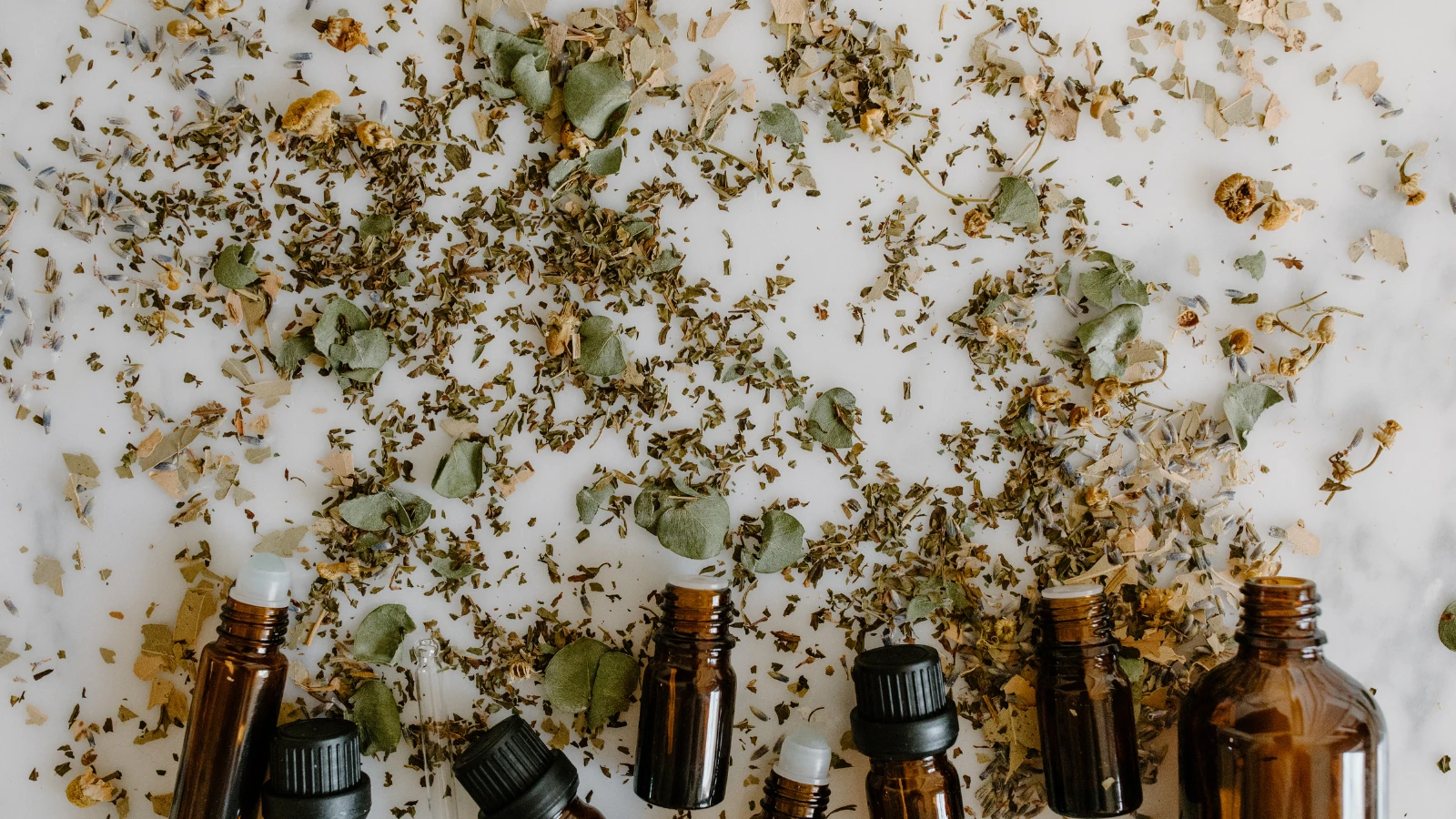
Lavender essential oil stands as the most researched and clinically validated option for sleep improvement. Studies show that lavender increases slow-wave sleep phases by up to 23% while reducing rapid eye movement sleep, resulting in more restorative rest. The oil's primary compound, linalool, has documented sedative effects that reduce anxiety and promote deeper sleep.
Chamomile contains apigenin, a flavonoid that binds to benzodiazepine receptors in the brain, producing mild sedative effects without the side effects of pharmaceutical sleep aids. Clinical trials show chamomile aromatherapy reduces sleep latency by an average of 15 minutes.
Several other oils offer unique benefits for different sleep challenges: • Jasmine: Increases sleep efficiency and reduces restless movements during the night • Rose: Lowers cortisol levels and promotes emotional balance before bedtime • Ylang-ylang: Reduces blood pressure and heart rate, preparing the body for rest • Cedarwood: Contains cedrol, which stimulates the pineal gland to release melatonin naturally • Bergamot: Unique among citrus oils for its calming rather than energizing properties
Success with aromatherapy depends heavily on proper application methods and timing. The way you introduce these calming scents for sleep into your environment can dramatically affect their effectiveness. Different delivery methods work better for different people, so experimenting with various techniques helps you find your optimal approach. Consistency is crucial for building lasting sleep improvements. Your brain needs time to associate specific scents with sleep preparation, typically requiring 2-4 weeks of regular use to establish strong neural pathways.
Using an essential oil diffuser for sleep provides controlled, consistent aromatherapy throughout your bedroom. Start diffusing oils 30-60 minutes before bedtime to allow the scent to permeate your space. For average-sized bedrooms, use 3-5 drops of essential oil per 100 square feet of space.
Diluting essential oils to 2-3% concentration in a carrier oil allows for direct skin application. Apply to pulse points like wrists, temples, or behind ears 15-20 minutes before sleep. This method provides longer-lasting effects as the oils absorb slowly through your skin.
Adding 5-8 drops of essential oil to a warm bath creates a full-body aromatherapy experience. The warm water helps release aromatic compounds while the heat promotes muscle relaxation. Direct inhalation from a tissue or personal inhaler offers immediate effects when you need quick relaxation.
Developing a consistent evening routine that incorporates aromatherapy benefits requires understanding your personal sleep patterns and preferences. The most effective routines begin 1-2 hours before your intended bedtime, allowing your body and mind to gradually transition into sleep mode. Start by identifying your primary sleep challenges. Do you have trouble falling asleep, staying asleep, or achieving deep rest? Different essential oils and application methods work better for specific issues, so tailoring your approach increases success rates.
Your bedroom environment plays a crucial role in aromatherapy effectiveness. Maintain temperatures between 65-68°F for optimal sleep, as cooler temperatures enhance the sedative effects of most sleep-promoting essential oils. Ensure proper ventilation to prevent overwhelming scent concentration.
Keep a simple sleep journal noting which oils you use, application methods, and sleep quality ratings. This data helps you identify patterns and optimize your routine for maximum effectiveness.
While improving sleep remains the primary goal, relaxation aromatherapy offers numerous additional health benefits that enhance overall well-being. Regular aromatherapy practice can reduce daytime stress levels, improve mood regulation, and even boost immune function through better sleep quality. The stress-reducing effects of aromatherapy extend far beyond bedtime hours. Many people find that consistent evening aromatherapy use helps them manage daily anxiety and maintain emotional balance throughout the day.
Improved sleep quality through aromatherapy creates a positive cascade of health benefits. Better sleep strengthens immune function, improves cognitive performance, and reduces inflammation markers associated with chronic diseases. Many users report reduced dependence on sleep medications after establishing consistent aromatherapy routines.
While generally safe when used properly, essential oils require careful handling and application. Always purchase high-quality, pure essential oils from reputable sources, as synthetic fragrances don't provide the same therapeutic benefits and may cause adverse reactions. Certain health conditions and medications can interact with essential oils. Pregnant women, children under 12, and individuals with respiratory conditions should consult healthcare providers before beginning aromatherapy routines.
If sleep problems persist despite consistent aromatherapy use, underlying sleep disorders treatment may be necessary. Conditions like sleep apnea, restless leg syndrome, or chronic insomnia often require medical intervention alongside complementary therapies like aromatherapy.
Lavender essential oil is the most researched and effective option, with clinical studies showing improved sleep quality and reduced anxiety. Chamomile, jasmine, and ylang-ylang are also scientifically proven alternatives that work well for different individuals.
Yes, multiple meta-analyses confirm aromatherapy's positive effects on sleep quality, though individual responses vary. Most studies show 20-40% improvement in sleep quality scores when used consistently over 4-6 weeks.
Lavender, chamomile, jasmine, rose, and ylang-ylang are scientifically linked to better sleep naturally through their ability to reduce anxiety, enhance relaxation, and promote deeper rest phases.
Lavender has the strongest sedative effects based on research, followed by chamomile and cedarwood. These oils influence neurotransmitters that regulate sleep-wake cycles and reduce cortisol levels.
Most people notice improvements within 1-2 weeks of consistent use, with optimal benefits typically achieved after 4-6 weeks of regular aromatherapy practice. Individual responses vary based on sleep issues and application methods.
Yes, blending complementary oils like lavender and chamomile can enhance effectiveness. Start with single oils to identify individual responses before creating blends. Popular combinations include lavender-chamomile and cedarwood-ylang-ylang.
Mastering aromatherapy for sleep quality requires patience, consistency, and proper technique. Start with proven oils like lavender or chamomile, experiment with different application methods, and maintain regular routines for best results. Remember that aromatherapy works as part of good sleep hygiene practices, not as a standalone solution. With time and proper application, these natural sleep remedies can transform your relationship with sleep, helping you achieve the restorative rest your body needs for optimal health and well-being.
