
Master Air Purification for Meditation: A Guide
Create Your Own Combo – Pick 4 Canisters & Save 10%
Get FREE Shipping on orders above ₹499/-!
Create Your Own Combo – Pick 4 Canisters & Save 10%
Get FREE Shipping on orders above ₹499/-!
Create Your Own Combo – Pick 4 Canisters & Save 10%
Get FREE Shipping on orders above ₹499/-!
Create Your Own Combo – Pick 4 Canisters & Save 10%
Get FREE Shipping on orders above ₹499/-!
Create Your Own Combo – Pick 4 Canisters & Save 10%
Get FREE Shipping on orders above ₹499/-!
Create Your Own Combo – Pick 4 Canisters & Save 10%
Get FREE Shipping on orders above ₹499/-!
Create Your Own Combo – Pick 4 Canisters & Save 10%
Get FREE Shipping on orders above ₹499/-!
Create Your Own Combo – Pick 4 Canisters & Save 10%
Get FREE Shipping on orders above ₹499/-!
Create Your Own Combo – Pick 4 Canisters & Save 10%
Get FREE Shipping on orders above ₹499/-!
Create Your Own Combo – Pick 4 Canisters & Save 10%
Get FREE Shipping on orders above ₹499/-!
Creating a peaceful meditation space goes beyond just finding a quiet corner. The air you breathe during your practice plays a crucial role in how deep and effective your meditation becomes. Poor air quality can leave you feeling distracted, drowsy, or even stressed during what should be your most calming moments. When you combine proper air purification for meditation with your mindfulness practice, you create an environment that naturally supports deeper focus, clearer thinking, and more profound spiritual experiences. Whether you're setting up a dedicated meditation room or simply want to improve the air quality in your existing practice space, understanding how to purify your environment can transform your entire meditation journey.
Your breathing is the foundation of meditation, making meditation space air quality absolutely essential for effective practice. When you sit down to meditate, your body naturally begins to slow down and your breathing becomes deeper and more intentional. Poor air quality forces your respiratory system to work harder, creating subtle stress that can prevent you from reaching those peaceful, focused states you're seeking. Research shows that indoor air can be two to five times more polluted than outdoor air. Common pollutants like dust, pet dander, volatile organic compounds from furniture and cleaning products, and even cooking odors can create an environment that works against your meditation goals. These invisible irritants don't just affect your physical comfort - they can actually impact your mental clarity and emotional balance.
When you breathe clean air for mindfulness, your brain receives optimal oxygen levels, which directly supports cognitive function and emotional regulation. Poor air quality can trigger stress responses in your body, even when you're not consciously aware of it.
Even small amounts of airborne irritants can cause subtle inflammation in your respiratory system, leading to shallow breathing patterns that work against the deep, rhythmic breathing essential for effective meditation.
Before investing in expensive equipment, explore these time-tested natural air purification methods that have been used in spiritual practices for centuries. These approaches not only clean your air but also add meaningful elements to your meditation environment that support your spiritual journey. The beauty of natural purification lies in its simplicity and connection to traditional wisdom. Many meditation practitioners find that these methods create a more authentic, grounded feeling in their practice space compared to purely mechanical solutions.
Certain plants excel at removing toxins while producing fresh oxygen. Snake plants, peace lilies, and spider plants are particularly effective for meditation spaces because they work quietly in the background and thrive in low-light conditions.
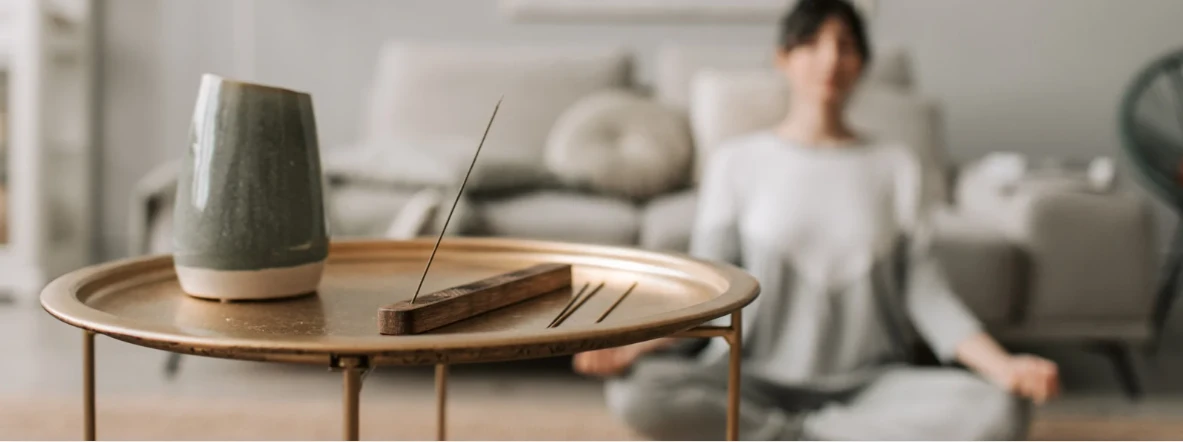
Traditional practices like burning sambrani cups or dhoop cones serve dual purposes - they purify the air while creating a sacred atmosphere. Essential oil diffusers with eucalyptus, tea tree, or lavender can provide similar benefits with modern convenience.
Strategic window opening and cross-ventilation can dramatically improve air quality. The key is timing - purge stale air before your practice and maintain gentle circulation during meditation without creating distracting drafts.
Modern air purifier benefits extend far beyond basic filtration, especially when you're using your space for focused breathing practices. When you're doing pranayama, deep meditation breathing, or yoga sessions, you're taking in much more air than during normal activities, making air quality even more critical. A quality air purifier creates a consistent environment that supports your practice regardless of external conditions like pollen seasons, nearby construction, or cooking odors from other parts of your home. This reliability helps you maintain a regular practice schedule without worrying about environmental disruptions.
Clean air directly supports brain function by ensuring optimal oxygen delivery. Many practitioners notice improved concentration and longer, more satisfying meditation sessions when they upgrade their air quality.
Whether you practice pranayama or simply focus on breath awareness, an air purifier for yoga removes particles that could irritate your respiratory system during deep breathing exercises.
Beyond health benefits, air purifiers help maintain the clean, fresh feeling that supports a sense of sacred space - that special quality that makes your meditation area feel different from the rest of your home.
Choosing the right purification system requires balancing effectiveness, noise levels, and aesthetic considerations. The best air purifiers for home meditation use combine powerful filtration with whisper-quiet operation, ensuring they enhance rather than distract from your practice. Look for units with HEPA H13 or higher filtration, which removes 99.97% of particles as small as 0.3 microns. This level of filtration captures everything from dust and pollen to smoke particles and some bacteria, creating hospital-grade air quality in your meditation space.
Quiet operation is non-negotiable - look for units operating under 30 decibels on their lowest setting. Many modern purifiers include sleep modes specifically designed for undisturbed rest and meditation.
Match your purifier's coverage area to your room size, but consider going slightly larger if you practice with others or want faster air turnover. A unit rated for 300 square feet works well in a 200 square foot meditation room.
The most effective air purification systems combine HEPA filtration with activated carbon for odor removal and sometimes UV-C sterilization for additional purification power.
Optimal indoor air purification involves more than just removing pollutants - it's about creating an environment that actively supports your meditation practice. This means considering factors like humidity, temperature, and air circulation patterns alongside basic filtration. Humidity levels between 40-60% feel most comfortable for extended meditation sessions and help prevent respiratory irritation. Too dry, and you might experience throat discomfort during breathing exercises. Too humid, and the air feels heavy and uncomfortable.
Common household items like synthetic carpets, furniture made with pressed wood, and conventional cleaning products can release volatile organic compounds that affect your meditation quality.
Simple signs like dust accumulation, stale odors, or feeling drowsy during meditation can indicate air quality issues. Regular filter changes and occasional deep cleaning keep your purification system working effectively.
Open windows strategically for cross-ventilation, add air-purifying houseplants like snake plants or peace lilies, and use natural methods like burning sambrani cups or dhoop cones. These traditional approaches cost very little but can significantly improve your meditation environment.
Choose a purifier rated for 1.5 times your room's square footage for optimal performance. For a 150 square foot meditation room, look for units rated for 225-300 square feet to ensure quick air turnover and consistent quality.
Yes, certain plants like snake plants, peace lilies, and spider plants can remove common indoor toxins while producing oxygen. While they work more slowly than mechanical purifiers, they provide continuous, natural air improvement plus the psychological benefits of connecting with nature.
Run your purifier continuously on low speed, increasing to higher settings 30 minutes before meditation to ensure optimal air quality. Most modern units are designed for 24/7 operation and use minimal energy on low settings.
Avoid ozone generators, which can irritate respiratory systems, and be cautious with strong synthetic fragrances or chemical air fresheners that mask odors rather than removing pollutants. Stick to natural or HEPA-based purification methods.
Mastering air purification for meditation transforms your practice from the ground up. Clean air supports deeper breathing, clearer thinking, and more profound spiritual experiences. Whether you choose natural methods like houseplants and traditional smoke purification, invest in a quality air purifier, or combine both approaches, the key is creating consistent, high-quality air in your meditation space. Remember that the best purification system is one you'll actually use regularly - start with simple, natural methods and gradually build a more comprehensive system as your practice deepens. Your meditation deserves the foundation of pure, clean air that supports every breath of your spiritual journey.
