
How to Use Air Purifiers for Stress Relief: A Guide
Create Your Own Combo – Pick 4 Canisters & Save 10%
Get FREE Shipping on orders above ₹499/-!
Create Your Own Combo – Pick 4 Canisters & Save 10%
Get FREE Shipping on orders above ₹499/-!
Create Your Own Combo – Pick 4 Canisters & Save 10%
Get FREE Shipping on orders above ₹499/-!
Create Your Own Combo – Pick 4 Canisters & Save 10%
Get FREE Shipping on orders above ₹499/-!
Create Your Own Combo – Pick 4 Canisters & Save 10%
Get FREE Shipping on orders above ₹499/-!
Create Your Own Combo – Pick 4 Canisters & Save 10%
Get FREE Shipping on orders above ₹499/-!
Create Your Own Combo – Pick 4 Canisters & Save 10%
Get FREE Shipping on orders above ₹499/-!
Create Your Own Combo – Pick 4 Canisters & Save 10%
Get FREE Shipping on orders above ₹499/-!
Create Your Own Combo – Pick 4 Canisters & Save 10%
Get FREE Shipping on orders above ₹499/-!
Create Your Own Combo – Pick 4 Canisters & Save 10%
Get FREE Shipping on orders above ₹499/-!
Feeling overwhelmed by daily stress? You're not alone. Many people don't realize that the air they breathe indoors can actually make stress and anxiety worse. Poor indoor air quality affects millions of homes, but here's the good news: air purification for stress relief is a simple, natural way to create a calmer environment. When you combine clean air with traditional practices like burning sambrani cups or dhoop cones, you're not just freshening your space – you're creating a sanctuary that supports your mental well-being. Let's explore how proper air purification can become your secret weapon against stress.
Your brain needs clean oxygen to function properly. When indoor air contains pollutants like dust, chemicals, or allergens, your body goes into stress mode. Research shows that poor air quality triggers the release of cortisol, your main stress hormone. This creates a cycle where bad air makes you feel anxious, and anxiety makes you more sensitive to air quality issues. Studies have found that people in well-ventilated spaces with clean air and mental health benefits show lower stress levels throughout the day. Your nervous system literally relaxes when it doesn't have to work overtime filtering out harmful particles. Think of it like this: when your lungs get clean air, your brain gets the message that everything is okay.
Common indoor pollutants like volatile organic compounds (VOCs) from cleaning products, dust mites, and even cooking odors can trigger your fight-or-flight response. Your body doesn't distinguish between a real threat and chemical irritants in the air.
When air quality improves, your blood oxygen levels stabilize. This helps regulate your heart rate and blood pressure, two key factors in how stressed you feel moment to moment.
Absolutely! Air purifiers and anxiety relief go hand in hand. When you remove stress-inducing particles from your environment, you're giving your nervous system a break. Many people notice they sleep better, think more clearly, and feel calmer overall after improving their indoor air quality. The indoor air quality benefits extend beyond just physical health. Clean air helps regulate your emotions because your brain isn't constantly dealing with low-level irritation from airborne toxins. It's like turning down the volume on background stress you didn't even know was there.
Better air quality at night means deeper sleep. When you sleep well, your body naturally produces less stress hormones and more mood-stabilizing chemicals.
Offices with good air purification systems report lower employee stress levels and better productivity. The same principle applies to your home workspace.
You have several options for home air purification, and the best approach often combines multiple methods. Traditional practices like burning sambrani cups or air purifier cakes offer both physical air cleaning and psychological benefits through ritual and scent. Modern air purifiers with HEPA filters excel at removing allergens and particles, while activated carbon filters tackle odors and chemicals. But don't overlook natural methods – they've been used for centuries for good reason.
HEPA filters capture 99.97% of particles, including dust, pollen, and pet dander that can trigger stress responses. UV-C technology kills bacteria and viruses, reducing the biological load on your immune system.
Air-purifying plants like snake plants and peace lilies work 24/7 to clean your air naturally. Proper ventilation brings in fresh outdoor air and removes stale indoor air that can feel oppressive.
Sambrani cups and dhoop cones don't just smell good – they actively purify air while providing aromatherapy for relaxation. The ritual of lighting them also signals to your brain that it's time to unwind.
Combining air purification with natural calming scents creates a powerful stress-relief system. Lavender, eucalyptus, and sandalwood don't just smell pleasant – they have measurable effects on your nervous system. When you use dhoop sticks infused with these scents, you're getting both air purification and aromatherapy benefits. Essential oils for anxiety work by triggering your olfactory system, which connects directly to the emotional centers of your brain. Rose, jasmine, and chamomile are particularly effective for stress relief. Many traditional incense blends like those found in destress vedic cones combine multiple calming scents for maximum benefit.
Always use natural, chemical-free options like traditional sambrani or herbal dhoop cones. Synthetic fragrances can actually increase stress and trigger headaches in sensitive people.
Different times of day call for different scents. Energizing lemongrass in the morning, calming lavender in the evening, and grounding sandalwood for meditation create a natural rhythm that supports your stress management.
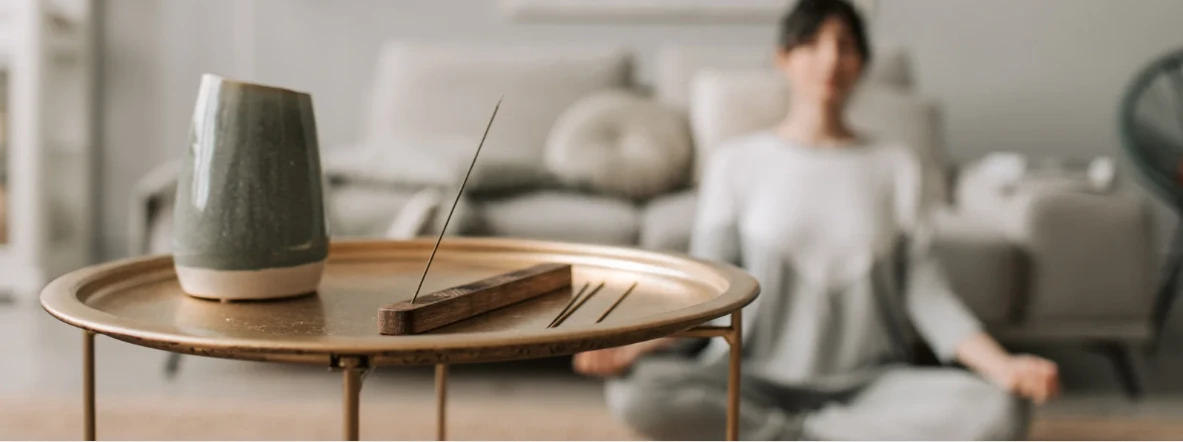
The connection between meditation and air quality is profound. Clean air makes breathing exercises more effective and helps you focus during mindfulness practices. When you combine proper air purification with meditation, you're addressing stress from both physical and mental angles. Set up your meditation space with good air circulation and consider using traditional elements like oil diyas or sambrani cups to create a sacred atmosphere. The gentle smoke and natural fragrances help signal to your mind that this is a special, peaceful space.
Deep breathing works better when the air is actually clean and fresh. Pranayama and other breathing techniques become more effective in a purified environment.
Combine lighting dhoop cones with your morning routine, or use air purifier cakes during evening wind-down time. These rituals create positive associations with stress relief.
The best air purifier benefits for stress relief come from matching your system to your specific needs and space. Consider room size, noise levels, and maintenance requirements. For many people, a combination approach works best – a mechanical air purifier for heavy-duty cleaning plus traditional methods like sambrani cups for daily stress relief. Budget-friendly options include air-purifying plants, regular ventilation, and traditional incense or dhoop cones. These natural stress reduction techniques have been proven effective for thousands of years and cost very little to maintain.
Calculate your room's square footage and choose appropriately sized purifiers. Place them away from walls and furniture for optimal air circulation.
Look for quiet operation, especially for bedroom use. Some people find the gentle hum of an air purifier actually helps them sleep, while others prefer silent operation.
Yes, sleeping with an air purifier can improve sleep quality by removing allergens and pollutants that might disrupt rest. Choose a quiet model and place it at least 6 feet from your bed for optimal results.
Combine mechanical air purification with natural methods like air-purifying plants, proper ventilation, and traditional aromatherapy using sambrani cups or dhoop cones. This multi-layered approach addresses both physical air quality and psychological well-being.
Start with good ventilation and air-purifying plants, then add traditional elements like dhoop sticks or air purifier cakes. These natural methods provide excellent stress relief benefits at minimal cost.
Pay attention to how you feel in different environments. If you feel more relaxed outdoors or in certain rooms, poor indoor air quality might be contributing to your stress.
Creating a stress-free environment through air purification doesn't have to be complicated or expensive. Start with simple steps like improving ventilation and adding natural air purifiers like plants or traditional sambrani cups. As you notice the benefits, you can expand your approach with mechanical air purifiers or more sophisticated aromatherapy systems. Remember, the goal is creating a space where you can breathe easily and feel calm – both literally and figuratively.
