
How to Light a Sambrani Cup: Complete Guide
Create Your Own Combo – Pick 4 Canisters & Save 10%
Get FREE Shipping on orders above ₹499/-!
Create Your Own Combo – Pick 4 Canisters & Save 10%
Get FREE Shipping on orders above ₹499/-!
Create Your Own Combo – Pick 4 Canisters & Save 10%
Get FREE Shipping on orders above ₹499/-!
Create Your Own Combo – Pick 4 Canisters & Save 10%
Get FREE Shipping on orders above ₹499/-!
Create Your Own Combo – Pick 4 Canisters & Save 10%
Get FREE Shipping on orders above ₹499/-!
Create Your Own Combo – Pick 4 Canisters & Save 10%
Get FREE Shipping on orders above ₹499/-!
Create Your Own Combo – Pick 4 Canisters & Save 10%
Get FREE Shipping on orders above ₹499/-!
Create Your Own Combo – Pick 4 Canisters & Save 10%
Get FREE Shipping on orders above ₹499/-!
Create Your Own Combo – Pick 4 Canisters & Save 10%
Get FREE Shipping on orders above ₹499/-!
Create Your Own Combo – Pick 4 Canisters & Save 10%
Get FREE Shipping on orders above ₹499/-!
The gentle fragrance of sambrani has filled Indian homes for centuries, creating sacred spaces and purifying the air we breathe. Whether you're new to this beautiful tradition or looking to perfect your technique, learning how to light sambrani cup properly transforms your spiritual practice and daily routine. These aromatic cups offer a convenient way to enjoy the benefits of traditional incense while maintaining the authentic experience our ancestors cherished. From religious ceremonies to simple moments of peace, mastering sambrani cup lighting opens doors to deeper spiritual connection and natural wellness.
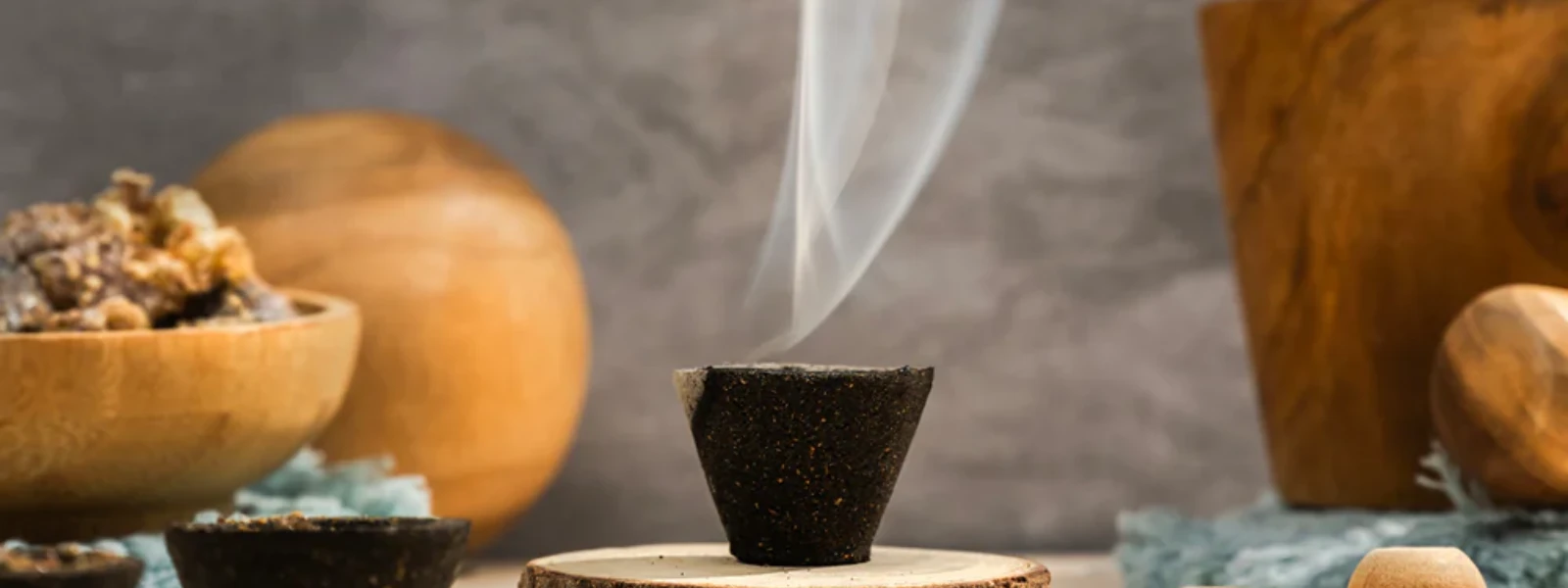
Sambrani cups represent a modern evolution of ancient incense traditions, combining convenience with spiritual significance. These small, cone-shaped vessels contain a carefully crafted blend of natural resins, herbs, and aromatic materials that release sacred smoke when lit. Types of sambrani vary significantly in their composition and purpose. Traditional clay-based cups offer the most authentic experience, made from natural earth mixed with resin and herbs. Charcoal-based varieties provide longer burning times and more intense fragrance, while herbal blends focus on specific therapeutic benefits like stress relief or air purification. Sambrani benefits extend far beyond pleasant aromas. The sacred smoke naturally purifies indoor air, removing harmful bacteria and creating a healthier environment. Many families use sambrani as an effective mosquito repellent, especially during evening prayers. The aromatic compounds also support meditation and relaxation, helping to calm busy minds and create peaceful atmospheres. Unlike traditional incense sticks that burn in a linear fashion, sambrani cups burn from the center outward, creating consistent smoke patterns and even fragrance distribution. This makes them particularly effective for larger spaces and extended spiritual practices.
Proper preparation ensures both safety and optimal results when lighting sambrani cups. Your success depends heavily on having the right equipment and creating an appropriate environment. An incense cup holder serves as your most critical safety tool. Choose holders made from heat-resistant materials like brass, copper, or thick ceramic. The holder should have adequate ventilation holes and a stable base that won't tip over easily. Many traditional holders feature intricate designs that enhance the spiritual atmosphere while providing practical functionality. Your lighting surface requires careful consideration. Place holders on heat-resistant materials like marble, granite, or thick wooden surfaces. Avoid plastic, fabric, or thin wood that could be damaged by heat. Keep a small bowl of water nearby for emergencies, and ensure easy access to fire safety equipment. Lighting tools vary in effectiveness. Long matches work well for beginners, providing safe distance from the flame. Candle lighters offer precision control, while traditional oil lamps create an authentic spiritual atmosphere. Gas burners provide the most reliable ignition but require extra caution. Ventilation plays a crucial role in safe sambrani use. Open windows or doors to ensure adequate air circulation, preventing smoke accumulation that could trigger smoke alarms or cause respiratory discomfort.
Mastering the proper lighting technique ensures consistent results and safe operation. This methodical approach works for all sambrani varieties and experience levels. Begin by placing your sambrani cup securely in its holder, ensuring it sits level and stable. Check that the surrounding area is clear of flammable materials like curtains, papers, or decorative items. Position the holder where smoke can disperse naturally without creating concentrated clouds. The lighting technique requires patience and precision. Hold your flame source at a 45-degree angle to the cup's edge, allowing the flame to touch the material for 10-20 seconds. This duration allows the sambrani to catch properly without over-lighting. You'll notice the material beginning to glow and emit small wisps of smoke. Once you see consistent glowing, gently blow out any visible flames while maintaining the ember. The goal is sustained smoldering, not active burning. Properly lit sambrani produces steady, aromatic smoke without large flames or excessive heat. Monitor the initial few minutes carefully. Well-lit sambrani should produce consistent smoke patterns and pleasant fragrance. If the smoke seems weak or intermittent, you may need to relight following the same technique.
Proper timing prevents common lighting failures. Hold the flame steady for the full 10-20 second duration, even if the material appears to catch earlier. Premature flame removal often results in incomplete lighting and poor burn quality. Flame extinguishing requires gentle technique. Blow softly to avoid scattering burning material while ensuring complete flame elimination. The remaining ember should glow consistently without visible fire.
Different occasions call for specific sambrani lighting approaches and timing considerations. Understanding these variations enhances both spiritual significance and practical effectiveness. Sambrani for pooja follows traditional protocols that honor ancient customs. Light sambrani cups before beginning prayers, allowing the sacred smoke to purify the worship space. Many families maintain continuous sambrani burning throughout extended ceremonies, requiring careful timing and multiple cups. Daily home purification benefits from morning and evening sambrani sessions. Light cups during sunrise or sunset hours when natural energy transitions support spiritual cleansing. The aromatic smoke helps remove negative energy accumulated throughout the day while inviting positive vibrations. Traditional incense practices during festivals often involve multiple sambrani cups burning simultaneously. This creates powerful purification effects but requires extra attention to safety and ventilation. Coordinate lighting times to maintain consistent aromatic coverage without overwhelming indoor air quality. Meditation and yoga sessions gain depth from properly timed sambrani lighting. Begin lighting 5-10 minutes before your practice starts, allowing the space to fill with calming fragrance. The steady smoke patterns support focused breathing and mental clarity.
Humidity affects sambrani burning characteristics significantly. During monsoon seasons, cups may require longer lighting times and additional flame exposure. Dry winter air supports easier ignition but demands extra attention to fire safety. Wind conditions influence both lighting success and smoke distribution. Indoor air currents from fans or air conditioning can disrupt proper burning patterns, requiring strategic holder placement.
Burning sambrani safely requires constant vigilance and proper emergency preparedness. These guidelines protect your family and property while preserving the spiritual benefits of sambrani use. Never leave burning sambrani unattended, even for brief periods. The combination of glowing embers and aromatic materials creates ongoing fire risks that require supervision. If you must leave the area, extinguish the sambrani completely using water or sand. Child and pet safety demands extra precautions. Keep burning sambrani well above reach of curious hands and paws. The holders become extremely hot during use and can cause serious burns. Consider using protective barriers or elevated surfaces in homes with small children. Proper disposal prevents accidental fires and maintains cleanliness. Allow used cups to cool completely before handling, typically requiring 30-60 minutes after burning stops. Dispose of ash and remnants in metal containers, never in regular trash where residual heat could ignite other materials. Emergency procedures should be planned before lighting sambrani. Keep water, sand, or fire extinguishers easily accessible. Know how to quickly ventilate rooms if smoke becomes overwhelming. Practice safe extinguishing techniques during non-emergency situations.
Even experienced users encounter occasional lighting difficulties. Understanding common problems and their solutions ensures consistent success with sambrani cup lighting. Cups that won't stay lit usually suffer from insufficient initial heating or moisture exposure. Try extending the lighting duration to 25-30 seconds, ensuring the flame penetrates deeper into the material. Store sambrani in dry locations to prevent moisture absorption that inhibits proper burning. Excessive smoke production often indicates over-lighting or poor ventilation. If smoke becomes overwhelming, improve air circulation immediately and consider using smaller sambrani cups or reducing lighting frequency. Some varieties naturally produce more smoke than others. Uneven burning patterns suggest improper holder design or placement issues. Ensure your holder provides adequate air circulation around the cup's base. Tilted or unstable positioning can cause irregular burning that wastes material and reduces fragrance effectiveness. Weak fragrance release may indicate old or improperly stored sambrani. Fresh cups should produce noticeable aroma within minutes of lighting. Replace old inventory and store new supplies in airtight containers to preserve potency.
Most sambrani cups burn for 15-30 minutes, depending on their size and composition. Larger cups or those with higher resin content may burn up to 45 minutes, while smaller varieties typically last 10-20 minutes.
Yes, you can safely relight sambrani cups that have extinguished before burning completely. Follow the same 45-degree lighting technique on the remaining material, which may require slightly longer flame exposure.
Daily sambrani use is generally safe with proper ventilation and safety precautions. Ensure adequate air circulation and never exceed recommended usage guidelines. People with respiratory sensitivities should consult healthcare providers before regular use.
Sambrani cups typically burn longer and produce more consistent smoke patterns than dhoop cones. They also contain different material compositions, with sambrani focusing on resin-based blends while dhoop cones often emphasize wood and herb combinations.
Store sambrani cups in cool, dry places away from direct sunlight and moisture. Airtight containers help preserve fragrance potency and prevent humidity damage that can affect lighting performance.
Mastering how to light sambrani cup safely and effectively enriches your spiritual practice while creating healthier, more peaceful living spaces. The key lies in proper preparation, patient lighting technique, and consistent safety awareness. Remember that each sambrani variety may require slight adjustments to your approach, so don't hesitate to experiment with timing and positioning to achieve optimal results. With practice, this ancient tradition becomes a natural part of your daily routine, connecting you to centuries of wisdom while supporting modern wellness goals. Whether used for religious ceremonies, meditation, or simple air purification, properly lit sambrani cups transform ordinary moments into opportunities for spiritual growth and natural healing.
