
How to Create an Eco-Friendly Pooja Step by Step
Create Your Own Combo – Pick 4 Canisters & Save 10%
Get FREE Shipping on orders above ₹499/-!
Create Your Own Combo – Pick 4 Canisters & Save 10%
Get FREE Shipping on orders above ₹499/-!
Create Your Own Combo – Pick 4 Canisters & Save 10%
Get FREE Shipping on orders above ₹499/-!
Create Your Own Combo – Pick 4 Canisters & Save 10%
Get FREE Shipping on orders above ₹499/-!
Create Your Own Combo – Pick 4 Canisters & Save 10%
Get FREE Shipping on orders above ₹499/-!
Create Your Own Combo – Pick 4 Canisters & Save 10%
Get FREE Shipping on orders above ₹499/-!
Create Your Own Combo – Pick 4 Canisters & Save 10%
Get FREE Shipping on orders above ₹499/-!
Create Your Own Combo – Pick 4 Canisters & Save 10%
Get FREE Shipping on orders above ₹499/-!
Create Your Own Combo – Pick 4 Canisters & Save 10%
Get FREE Shipping on orders above ₹499/-!
Create Your Own Combo – Pick 4 Canisters & Save 10%
Get FREE Shipping on orders above ₹499/-!
Creating an eco-friendly pooja transforms your spiritual practice into a celebration of both devotion and environmental consciousness. Traditional worship has always honored nature, and returning to these sustainable roots brings profound benefits of sustainable pooja that extend far beyond the prayer room. When we choose organic pooja items and natural pooja materials, we create a sacred space that nurtures both our souls and the planet. This journey toward sustainable spirituality connects us with ancient wisdom while protecting the environment for future generations.
The benefits of sustainable pooja touch every aspect of our lives, from personal health to global environmental protection. When we embrace environmentally friendly rituals, we create a ripple effect of positive change that extends far beyond our homes.
Choosing eco-friendly pooja practices significantly reduces pollution in our waterways and soil. Traditional synthetic materials often contain harmful chemicals that contaminate rivers and lakes when disposed of after worship. Natural alternatives like clay diyas, organic flowers, and herbal incense break down safely, protecting aquatic life and maintaining ecological balance. Your conscious pooja practices help preserve biodiversity and reduce the carbon footprint associated with manufacturing synthetic worship materials.
Organic worship creates a chemical-free environment that protects your family's health. Synthetic incense sticks often contain artificial fragrances and toxic binders that release harmful particles into the air. Natural pooja materials like pure camphor, herbal dhoop, and organic oils provide therapeutic benefits while eliminating exposure to pesticides and synthetic dyes. This creates safer air quality during prayers and meditation sessions.
Using natural elements deepens your spiritual connection and honors traditional practices. Ancient scriptures emphasize the sacred relationship between humans and nature, making sustainable worship a return to authentic spiritual values. Supporting local artisans who create handmade clay diyas and organic incense helps preserve cultural heritage while building stronger communities.
Building your collection of organic pooja items starts with understanding which natural alternatives work best for different aspects of worship. Each sustainable choice contributes to the overall green pooja benefits while maintaining the sanctity of your rituals.
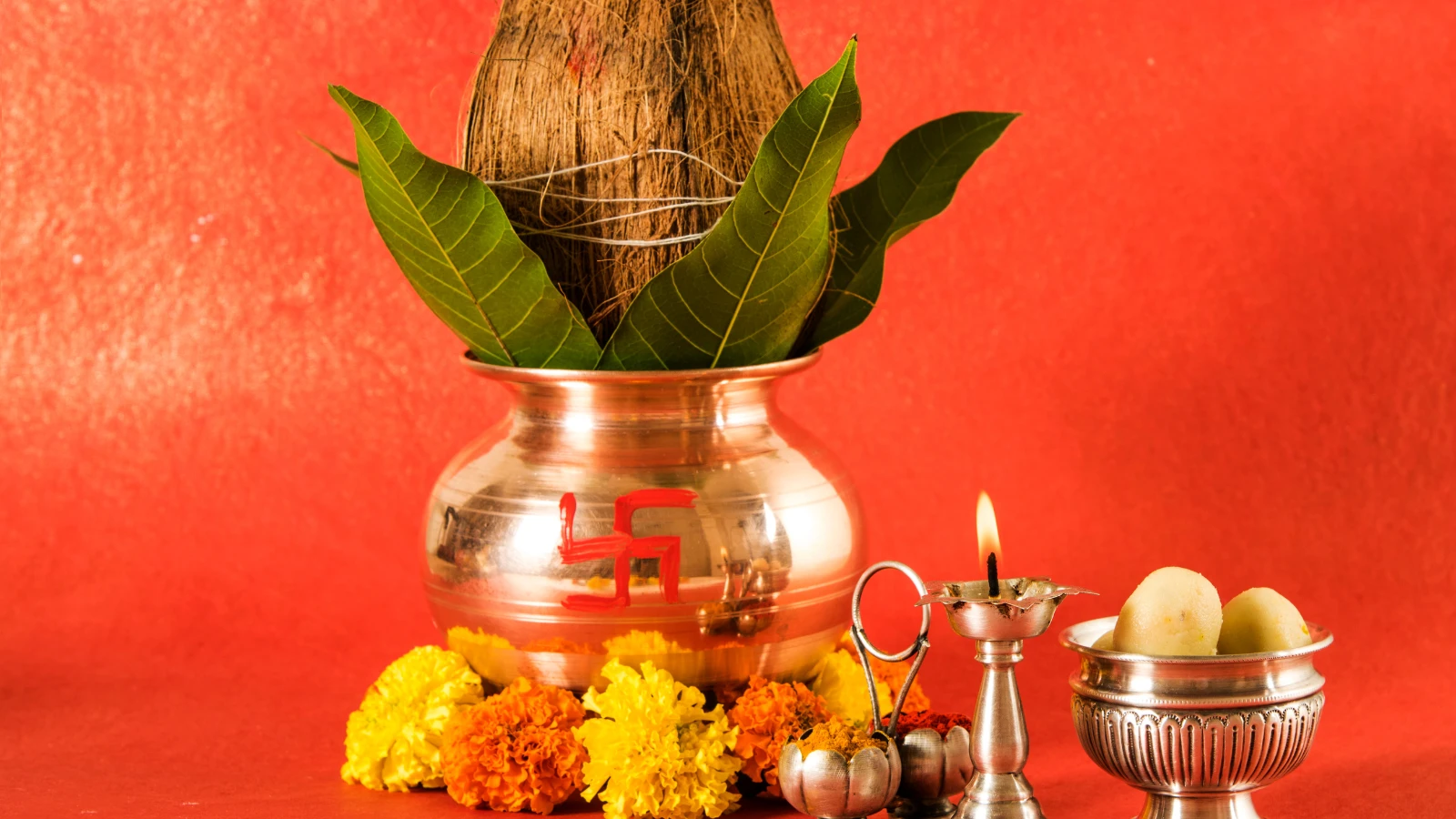
Clay diyas represent the perfect example of eco pooja materials. These handcrafted lamps burn cleanly with organic oils like sesame or mustard oil, creating warm light without synthetic materials. Organic cotton wicks burn longer and cleaner than synthetic alternatives, while brass or copper oil lamps can be used repeatedly for years. Panchgavya diyas, made from cow dung and natural ingredients, offer additional purification benefits while supporting traditional craftsmanship.
Fresh flowers from local gardens or organic farms provide natural beauty without pesticide residues. Create colorful rangoli patterns using rice flour, turmeric, and flower petals instead of synthetic colors. Banana leaves serve as biodegradable plates for prasad, while clay or brass utensils can be reused countless times. Organic fruits, nuts, and homemade sweets ensure your offerings remain pure and chemical-free.
Handmade dhoop sticks and cones created from natural resins, herbs, and essential oils provide authentic fragrances without synthetic additives. Pure camphor burns cleanly and completely, while essential oil diffusers offer gentle aromatherapy benefits. Fresh flower arrangements naturally perfume your prayer space while supporting local flower growers who use organic farming methods.
Transitioning to sustainable spirituality requires thoughtful planning and gradual implementation. This systematic approach ensures your environmentally friendly rituals maintain their spiritual significance while protecting the environment.
Start by sourcing organic pooja items from local vendors who specialize in natural products. Visit traditional markets where artisans sell handmade clay items, organic oils, and natural incense. Create a checklist of reusable items like brass lamps, copper water vessels, and cotton cloth for cleaning. Set up a simple waste segregation system to properly dispose of organic materials through composting.
Position your clay diyas and brass lamps to create warm, natural lighting that enhances meditation. Arrange fresh flowers in reusable brass or clay vases, changing them regularly to maintain freshness. Use natural fabrics like cotton or silk for covering surfaces, and incorporate living plants to improve air quality naturally. Ensure proper ventilation for burning natural incense and dhoop.
Use minimal water for abhishekam rituals, collecting and reusing clean water for plants afterward. Offer organic prasad made from natural ingredients, avoiding artificial colors and preservatives. Practice gratitude for nature during prayers, acknowledging the earth's gifts that make worship possible. Incorporate meditation periods to deepen your connection with natural elements.
Adapting conscious pooja practices for various celebrations and daily worship ensures consistency in your environmental commitment. Each occasion offers unique opportunities to demonstrate eco-friendly pooja principles.
Establish morning and evening rituals using reusable brass or clay items that last for years. Light organic oil diyas with cotton wicks, offering fresh flowers from your garden or locally sourced organic blooms. Use minimal quantities of natural materials, focusing on quality over quantity. Create a simple routine that incorporates gratitude for environmental blessings.
During major festivals, choose clay idols that dissolve safely in water instead of plaster of paris statues. Use natural colors made from turmeric, beetroot, and herbs for decorations. Prepare organic sweets and snacks for prasad, avoiding artificial additives. Organize community celebrations that share resources and reduce individual environmental impact.
For ceremonies like housewarming or business blessings, use natural materials that can be composted afterward. Bless tools and equipment with organic offerings that honor both spiritual and environmental values. Create memorable celebrations that demonstrate how sustainable worship enhances rather than diminishes traditional practices.
Proper disposal and maintenance of natural pooja materials completes the cycle of sustainable spirituality. These practices ensure your worship continues benefiting the environment long after prayers conclude.
Compost flower offerings, fruit peels, and other organic materials to create nutrient-rich soil for gardens. Dispose of natural materials in water bodies only when they're completely biodegradable and safe for aquatic life. Reuse brass and copper items after cleaning with natural agents like tamarind paste or lemon juice. Store clay items properly to prevent breakage and extend their useful life.
Clean metal items regularly using natural cleaning agents to maintain their shine and purity. Store organic oils in cool, dark places to preserve their quality and prevent rancidity. Rotate flower arrangements to ensure freshness and prevent waste. Maintain living plants in your worship space through organic gardening practices.
Sustainable pooja offers environmental protection through reduced pollution, health benefits from chemical-free materials, enhanced spiritual connection with nature, and support for traditional artisans. These practices honor ancient wisdom while protecting the planet for future generations.
Look for local artisans at traditional markets, organic stores, and spiritual centers. Many online platforms now specialize in eco-friendly worship materials. Build relationships with vendors who understand sustainable practices and can provide consistent quality natural products.
While initial costs may be higher, sustainable items like brass lamps and clay diyas are reusable for years, making them cost-effective long-term investments. The health and environmental benefits far outweigh any additional expense.
Absolutely. Natural materials actually enhance spiritual purity and connection with divine energy. Ancient scriptures emphasize using pure, natural elements in worship, making sustainable practices a return to authentic traditions rather than a departure from them.
Embracing eco-friendly pooja practices creates a beautiful harmony between spiritual devotion and environmental stewardship. The benefits of sustainable pooja extend far beyond personal worship, contributing to global healing and preservation of natural resources. By choosing organic pooja items and implementing conscious pooja practices, you join a growing movement of spiritually aware individuals who understand that caring for the earth is itself a form of worship. Start small with one or two sustainable changes, and gradually build your collection of natural pooja materials. Your commitment to sustainable spirituality will inspire others while creating a legacy of environmental consciousness for future generations.
