
How to Create an Eco-Friendly Pooja: A Complete Guide
Create Your Own Combo – Pick 4 Canisters & Save 10%
Get FREE Shipping on orders above ₹499/-!
Create Your Own Combo – Pick 4 Canisters & Save 10%
Get FREE Shipping on orders above ₹499/-!
Create Your Own Combo – Pick 4 Canisters & Save 10%
Get FREE Shipping on orders above ₹499/-!
Create Your Own Combo – Pick 4 Canisters & Save 10%
Get FREE Shipping on orders above ₹499/-!
Create Your Own Combo – Pick 4 Canisters & Save 10%
Get FREE Shipping on orders above ₹499/-!
Create Your Own Combo – Pick 4 Canisters & Save 10%
Get FREE Shipping on orders above ₹499/-!
Create Your Own Combo – Pick 4 Canisters & Save 10%
Get FREE Shipping on orders above ₹499/-!
Create Your Own Combo – Pick 4 Canisters & Save 10%
Get FREE Shipping on orders above ₹499/-!
Create Your Own Combo – Pick 4 Canisters & Save 10%
Get FREE Shipping on orders above ₹499/-!
Create Your Own Combo – Pick 4 Canisters & Save 10%
Get FREE Shipping on orders above ₹499/-!
Creating a sacred space for worship has taken on new meaning in today's world. As we become more aware of our environmental impact, many spiritual seekers are discovering the profound benefits of eco friendly pooja practices. This ancient wisdom, rooted in our traditions, naturally aligns with sustainable living. When we choose natural materials and mindful practices for our worship, we not only honor the divine but also protect the earth that sustains us. Let's explore how you can transform your spiritual practice into an environmentally conscious celebration that benefits your health, community, and planet.
Sustainable worship isn't a new concept. Our ancestors naturally practiced eco friendly worship using materials that came directly from nature. They understood that true devotion meant respecting all of creation, not just the divine we worship. Today, we're rediscovering these time-tested methods and adapting them for modern life.
Eco-friendly pooja means using natural, biodegradable materials that don't harm the environment. This includes clay diyas instead of plastic decorations, organic flowers instead of artificial ones, and natural incense made from herbs and resins. Traditional methods were inherently sustainable because people used what nature provided locally.
The foundation of green pooja practices rests on four pillars. First, use only biodegradable materials that return safely to the earth. Second, minimize packaging and waste by buying in bulk or making items at home. Third, support local artisans who create traditional crafts using sustainable methods. Fourth, choose chemical-free ingredients that protect both your health and the environment.
The benefits of eco friendly pooja extend far beyond environmental protection. When you choose sustainable worship practices, you create positive changes in multiple areas of your life. These benefits touch your physical health, spiritual growth, and community connections.
Choosing eco friendly pooja items significantly reduces water and soil pollution. Traditional synthetic decorations and chemical-laden incense often end up in waterways, harming aquatic life. Natural materials decompose safely, enriching the soil instead of contaminating it. Your carbon footprint shrinks when you buy locally-made items and avoid heavily packaged products.
Organic pooja supplies protect your family from harmful chemicals found in synthetic incense and decorations. Natural ingredients create cleaner air quality during rituals, reducing respiratory irritation. The aromatherapy effects of pure essential oils and herbs promote relaxation and mental clarity. Children and elderly family members especially benefit from this chemical-free environment.
Using natural materials deepens your spiritual connection with the divine and nature. Traditional eco friendly pooja methods preserve ancient craftsmanship and cultural knowledge. This mindful approach to worship enhances your awareness and gratitude. The authentic spiritual energy from natural materials creates a more powerful and meaningful ritual experience.
Building your collection of sustainable worship items doesn't have to be overwhelming. Start with basic essentials and gradually expand your eco-friendly pooja setup. Focus on quality over quantity, choosing items that will last for many celebrations.
Begin with organic flowers, fruits, and grains from local farmers or your own garden. Choose natural incense sticks made from bamboo cores and herbal powders. Clay diyas provide beautiful, biodegradable lighting for your altar. Create rangoli with natural materials like rice flour, turmeric, and flower petals.
Replace plastic decorations with handwoven fabrics, dried flowers, and wooden ornaments. For eco pooja at home, choose clay or natural fiber idols instead of plaster ones. Use organic oils and pure ghee for lamps instead of paraffin-based alternatives. Seek out suppliers who use minimal, recyclable packaging for their products.
Local artisan markets offer authentic, handmade items that support traditional craftspeople. Certified organic suppliers ensure your ingredients meet environmental standards. Connect with traditional craft communities through cooperatives and fair trade organizations. Online sustainable retailers provide convenient access to verified eco-friendly products when local options aren't available.
Transforming your worship practice into an environmentally friendly ritual requires thoughtful planning and mindful execution. Each step of your pooja can incorporate sustainable choices that honor both the divine and the earth. This approach makes every ritual a celebration of conscious living.
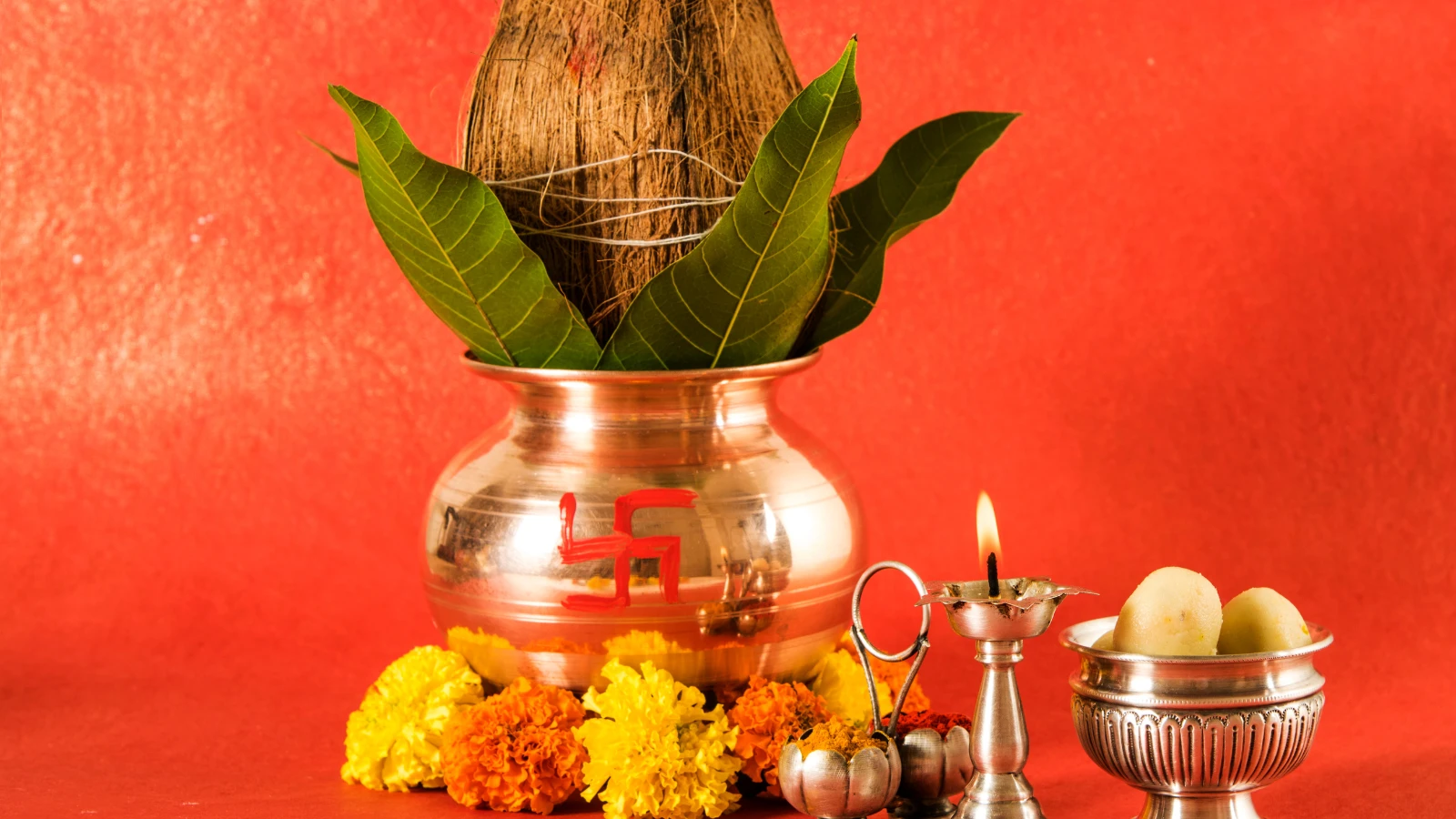
Set up your worship space using natural materials like cotton cloth, wooden platforms, and clay vessels. Prepare offerings using seasonal, locally-sourced ingredients that connect you to nature's rhythms. Arrange biodegradable decorations that can be composted after use, creating a beautiful yet sustainable altar.
Use water mindfully by collecting it in appropriate vessels and reusing it for plants afterward. Light natural incense and oil lamps with proper ventilation to maximize their purifying benefits. Offer prayers with gratitude for the natural materials you're using. Practice waste reduction by using only what you need for meaningful worship.
Compost organic waste like flower petals, fruit peels, and food offerings in your garden. Dispose of natural materials properly by returning them to the earth or water bodies safely. Conserve water by cleaning vessels efficiently and reusing rinse water for plants. Save reusable decorative elements for future celebrations.
Indian festivals offer wonderful opportunities to practice sustainable pooja on a larger scale. Each celebration has traditional eco-friendly elements that we can revive and adapt for modern times. These practices connect us to our cultural roots while protecting the environment.
Create eco-friendly idols using natural clay and organic colors that dissolve safely in water. Use traditional decoration techniques with marigolds, mango leaves, and handwoven fabrics. Organize community-based celebrations that share resources and reduce individual environmental impact.
Choose clay Ganesha idols made by local artisans using natural, water-soluble paints. Create stunning rangoli designs with organic materials like colored rice, flower petals, and natural powders. Replace firecrackers with traditional oil lamps and community celebrations that focus on light and joy rather than noise and pollution.
Eco-friendly pooja practices offer environmental protection through reduced pollution, health benefits from chemical-free materials, and enhanced spiritual connection with nature. They also preserve traditional craftsmanship and support local communities while creating a safer worship environment for families.
Organic pooja supplies eliminate exposure to harmful chemicals found in synthetic incense and decorations. They improve air quality during worship, provide natural aromatherapy benefits, and create a safer environment for children, elderly family members, and people with respiratory sensitivities.
Yes, eco-friendly celebrations often feel more authentic and spiritually fulfilling. Using natural materials connects you more deeply to traditional practices and creates mindful awareness of your environmental impact. The process of choosing sustainable options becomes part of the spiritual practice itself.
Long-term benefits include reduced environmental impact, preserved cultural traditions, improved family health, and stronger community connections. You also save money over time as many natural materials are reusable or can be made at home, while supporting local artisans and sustainable businesses.
Start gradually by introducing one or two sustainable elements at a time. Share the health benefits, especially for children and elderly family members. Demonstrate cost savings and involve family members in making natural decorations or growing flowers for worship. Lead by example and let the positive results speak for themselves.
Embracing eco-friendly pooja practices transforms your spiritual journey into a celebration of conscious living. The benefits of eco friendly pooja extend far beyond environmental protection, touching every aspect of your well-being and community connections. Start small with one or two sustainable changes, and gradually build your collection of natural worship items. Remember that this journey honors both ancient wisdom and modern environmental awareness, creating a more meaningful and responsible way to express your devotion. Your choice to worship sustainably becomes a prayer in action, protecting the earth while nurturing your spiritual growth.
