
How to Choose: Panchgavya vs Clay Diyas Guide
Create Your Own Combo – Pick 4 Canisters & Save 10%
Get FREE Shipping on orders above ₹499/-!
Create Your Own Combo – Pick 4 Canisters & Save 10%
Get FREE Shipping on orders above ₹499/-!
Create Your Own Combo – Pick 4 Canisters & Save 10%
Get FREE Shipping on orders above ₹499/-!
Create Your Own Combo – Pick 4 Canisters & Save 10%
Get FREE Shipping on orders above ₹499/-!
Create Your Own Combo – Pick 4 Canisters & Save 10%
Get FREE Shipping on orders above ₹499/-!
Create Your Own Combo – Pick 4 Canisters & Save 10%
Get FREE Shipping on orders above ₹499/-!
Create Your Own Combo – Pick 4 Canisters & Save 10%
Get FREE Shipping on orders above ₹499/-!
Create Your Own Combo – Pick 4 Canisters & Save 10%
Get FREE Shipping on orders above ₹499/-!
Create Your Own Combo – Pick 4 Canisters & Save 10%
Get FREE Shipping on orders above ₹499/-!
Create Your Own Combo – Pick 4 Canisters & Save 10%
Get FREE Shipping on orders above ₹499/-!
Choosing the right diya for your spiritual practices can feel overwhelming with so many options available today. Whether you're preparing for Diwali celebrations or setting up your daily worship space, understanding the differences between panchgavya diyas and clay diyas will help you make an informed decision. Both types carry deep cultural significance and offer unique benefits, but they serve different purposes in our spiritual journey. Let's explore what makes each option special and discover which one aligns best with your needs and values.
Traditional diyas have illuminated Indian homes and temples for thousands of years, serving as more than just sources of light. These sacred lamps represent the victory of light over darkness and knowledge over ignorance in Hindu philosophy. Clay diyas form the foundation of our lighting traditions. Crafted from pure earthen clay, these handmade diyas connect us directly to Mother Earth. Artisans shape them by hand, creating vessels that hold oil and cotton wicks to produce a warm, steady flame. Panchgavya diyas represent a more recent innovation rooted in ancient Vedic wisdom. These organic diyas blend five sacred cow products - dung, urine, milk, curd, and ghee - creating lamps that offer both spiritual and environmental benefits. The name "panchgavya" literally means "five cow products" in Sanskrit. During festivals like Diwali, both types of diyas transform our spaces into sacred sanctuaries. The flickering flames create an atmosphere of devotion while purifying the environment around us.
The fundamental difference between these traditional diyas lies in their composition and manufacturing process. Understanding these distinctions helps explain why each type offers unique advantages. Clay diyas use pure earthen clay as their primary material. Potters mix local clay with water, shape the diyas on wheels or by hand, then fire them in kilns at high temperatures. This process creates durable vessels that can withstand repeated use and cleaning.
Panchgavya diyas combine cow dung, cow urine, milk, curd, and ghee in specific proportions. Artisans mix these ingredients with natural binding agents like clay or herbal powders. The mixture gets shaped into diya forms and air-dried rather than kiln-fired.
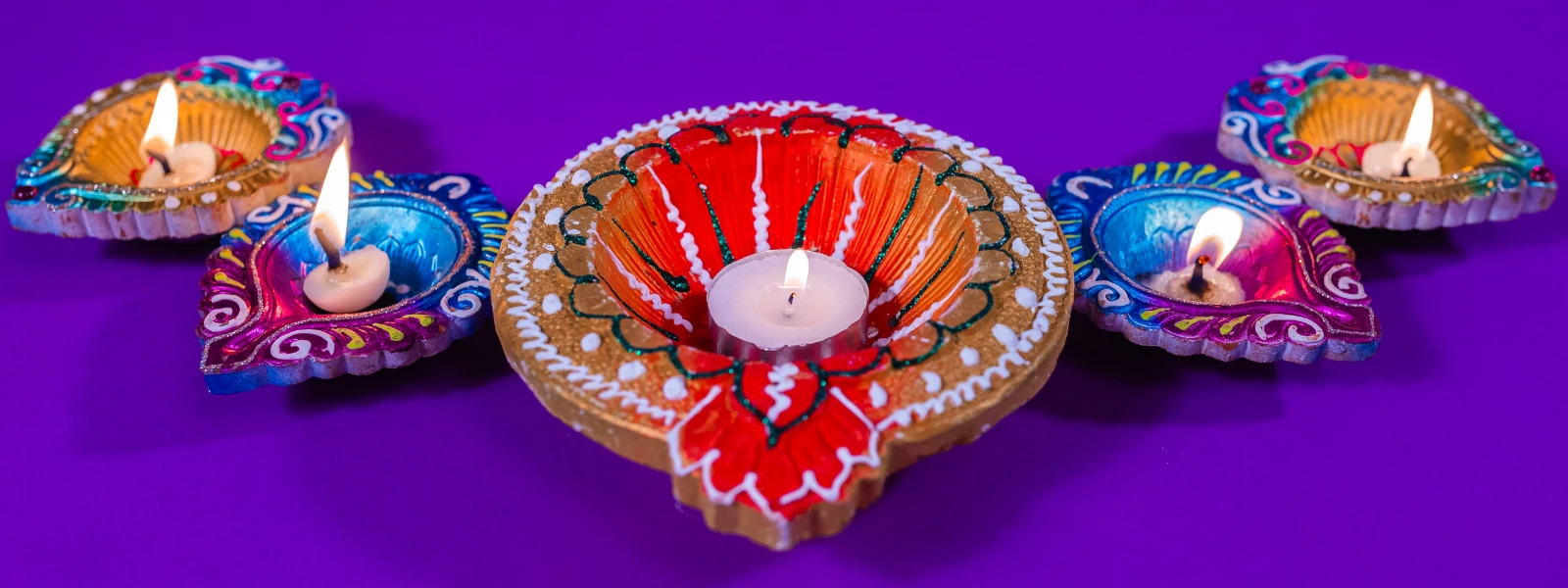
Clay diyas typically feature smooth, polished surfaces in earthy tones ranging from terracotta to deep brown. Their uniform texture and clean lines make them suitable for decorative purposes. Panchgavya diyas have a more rustic appearance with slightly rough textures. Their natural brown color comes from the cow dung base, and they often include visible herbal particles that add to their organic appeal.
The benefits of panchgavya diyas extend far beyond their role as simple light sources. These eco-friendly diyas offer a unique combination of spiritual significance and environmental responsibility. Spiritually, panchgavya diyas carry the sacred energy of cow products, which hold special reverence in Hindu traditions. When lit, they're believed to purify the surrounding atmosphere and attract positive vibrations. Many devotees report feeling a deeper sense of connection during prayers when using these organic alternatives.
As panchgavya diyas burn, they release natural compounds that help cleanse the air. The cow dung base contains antimicrobial properties, while the burning process creates negative ions that can improve air quality.
After use, panchgavya diyas decompose completely within weeks. The ash residue actually benefits soil and plants, making these diyas a zero-waste option for environmentally conscious households.
While some might see single-use as wasteful, panchgavya diyas eliminate concerns about cleaning and storage. Each lighting experience feels fresh and pure, perfect for special occasions and festivals.
Clay diyas offer their own compelling advantages, particularly for regular users who value durability and cost-effectiveness. These traditional vessels have sustained our lighting practices for generations. The superior oil retention of clay diyas makes them ideal for longer prayer sessions. Their porous clay walls absorb some oil, creating a reservoir that feeds the flame steadily. This design allows for burn times of several hours without refilling.
A well-made clay diya can last for years with proper care. After each use, simply clean out the oil residue and wick remnants, then store until needed again. This reusability makes clay diyas extremely cost-effective for daily worship routines.
Clay diyas come in countless shapes, sizes, and decorative patterns. From simple round bowls to elaborate lotus-shaped designs, there's a clay diya for every aesthetic preference and occasion. Handmade diyas often feature intricate carvings and painted details that showcase regional artistic traditions.
Both panchgavya and clay diyas qualify as eco-friendly diyas, but they impact the environment differently. Understanding these differences helps environmentally conscious consumers make informed choices. Panchgavya diyas win in terms of complete biodegradability and zero-waste disposal. They require no firing process, reducing energy consumption during manufacturing. However, their single-use nature means higher consumption volumes during festivals. Clay diyas require kiln firing, which consumes energy and produces emissions. However, their reusability factor means fewer diyas needed over time. Quality clay diyas can serve families for decades, significantly reducing overall environmental impact.
Both options support rural artisan communities and traditional crafts. Panchgavya diyas utilize agricultural waste products, while clay diyas use abundant natural clay deposits. Neither depletes precious resources when sourced responsibly.
Choosing between panchgavya and clay diyas depends on your specific needs, budget, and spiritual preferences. Consider these practical factors when making your decision. For Diwali diyas and special festivals, panchgavya diyas offer the perfect combination of spiritual significance and convenience. Their sacred composition enhances the festive atmosphere, while their disposable nature eliminates post-celebration cleanup. Daily worship routines benefit more from clay diyas due to their reusability and consistent performance. If you light diyas every morning and evening, investing in quality clay diyas makes economic sense.
Panchgavya diyas cost more per unit but eliminate long-term maintenance needs. Clay diyas require higher initial investment but offer better value for frequent users. Calculate your annual diya usage to determine which option provides better value.
Clay diyas need proper storage to prevent breakage and regular cleaning to maintain hygiene. Panchgavya diyas require no storage or maintenance, making them ideal for occasional users or those with limited space.
Panchgavya diyas offer spiritual purification through sacred cow products, natural air purification properties, complete biodegradability, and zero maintenance requirements. They're perfect for special occasions and environmentally conscious households.
Yes, quality clay diyas can be reused for years. Clean them thoroughly after each use, removing oil residue and wick remnants. Store in a dry place to prevent cracking and replace when chips or cracks appear.
Both options are eco-friendly, but in different ways. Panchgavya diyas biodegrade completely and use agricultural waste, while clay diyas last longer, reducing overall consumption. Your usage pattern determines which is more environmentally beneficial.
Clay diyas typically burn longer due to better oil retention and heat distribution. Their porous walls create a steady fuel supply, while panchgavya diyas burn more quickly but produce beneficial smoke during combustion.
Look for artisan-made products from verified sellers who support traditional craftspeople. Check for natural materials, proper construction, and fair trade practices when selecting your diyas.
The choice between panchgavya and clay diyas ultimately depends on your personal priorities and usage patterns. Panchgavya diyas excel for special occasions, offering spiritual significance and environmental benefits through their sacred composition and complete biodegradability. Clay diyas provide practical advantages for regular use, combining durability, cost-effectiveness, and artistic beauty. Consider your spiritual practices, environmental values, and budget when making this decision. Many families find success using both types - clay diyas for daily worship and panchgavya diyas for festivals and special ceremonies. This approach honors tradition while embracing innovation in our timeless lighting practices. Remember that both options connect us to our cultural heritage and support traditional artisan communities. Whichever you choose, you're participating in a sacred tradition that has illuminated Indian homes and hearts for countless generations.
