
How to Burn Sambrani at Night: A Complete Guide
Create Your Own Combo – Pick 4 Canisters & Save 10%
Get FREE Shipping on orders above ₹499/-!
Create Your Own Combo – Pick 4 Canisters & Save 10%
Get FREE Shipping on orders above ₹499/-!
Create Your Own Combo – Pick 4 Canisters & Save 10%
Get FREE Shipping on orders above ₹499/-!
Create Your Own Combo – Pick 4 Canisters & Save 10%
Get FREE Shipping on orders above ₹499/-!
Create Your Own Combo – Pick 4 Canisters & Save 10%
Get FREE Shipping on orders above ₹499/-!
Create Your Own Combo – Pick 4 Canisters & Save 10%
Get FREE Shipping on orders above ₹499/-!
Create Your Own Combo – Pick 4 Canisters & Save 10%
Get FREE Shipping on orders above ₹499/-!
Create Your Own Combo – Pick 4 Canisters & Save 10%
Get FREE Shipping on orders above ₹499/-!
Create Your Own Combo – Pick 4 Canisters & Save 10%
Get FREE Shipping on orders above ₹499/-!
Create Your Own Combo – Pick 4 Canisters & Save 10%
Get FREE Shipping on orders above ₹499/-!
Burning sambrani at night has been a cherished tradition in Indian households for centuries, yet many people wonder: can we put sambrani at night safely? The answer is yes, when done correctly. This sacred resin, also known as benzoin, offers numerous benefits for evening rituals, from purifying the air to creating a peaceful atmosphere for rest. Whether you're new to this practice or looking to refine your nighttime routine, this guide will walk you through everything you need to know about burning sambrani at night safely and effectively.
Sambrani is a natural resin derived from the Styrax benzoin tree, treasured for its sweet, vanilla-like fragrance and spiritual significance. When you burn sambrani at night, you're participating in an ancient practice that connects you to generations of spiritual seekers. This golden resin has been used in Indian homes not just for its pleasant aroma, but for its ability to create sacred spaces and promote inner peace. Traditionally, sambrani was burned during both morning and evening prayers, but modern practitioners have discovered unique benefits of nighttime use. The calming properties of sambrani make it particularly suitable for evening rituals, helping to transition from the day's activities to a more peaceful state of mind. Unlike harsh chemical air fresheners, sambrani offers a natural way to cleanse your living space while preparing your mind for rest.
Evening hours provide the ideal setting for sambrani rituals because the mind is naturally winding down from daily activities. The gentle smoke helps signal to your body that it's time to relax, making it easier to let go of stress and tension.
The spiritual benefits of sambrani at night extend far beyond its pleasant fragrance. When you incorporate this practice into your evening routine, you create a bridge between the material and spiritual worlds. The rising smoke carries your prayers and intentions upward while simultaneously grounding you in the present moment. Burning sambrani at night offers remarkable advantages for both mind and body. The natural compounds in benzoin resin have been shown to reduce stress hormones and promote relaxation. Many people find that using sambrani for sleep preparation helps them achieve deeper, more restful nights. The gentle aroma works as a natural aromatherapy treatment, calming the nervous system and preparing your body for regenerative sleep.
Sambrani acts as a natural air purifier, removing harmful bacteria and toxins from your living space. The antimicrobial properties of benzoin resin help create a cleaner, healthier environment for sleep.
Night rituals with sambrani provide an opportunity for reflection and spiritual connection. The practice helps clear mental clutter accumulated during the day, creating space for meditation, prayer, or simply peaceful contemplation.
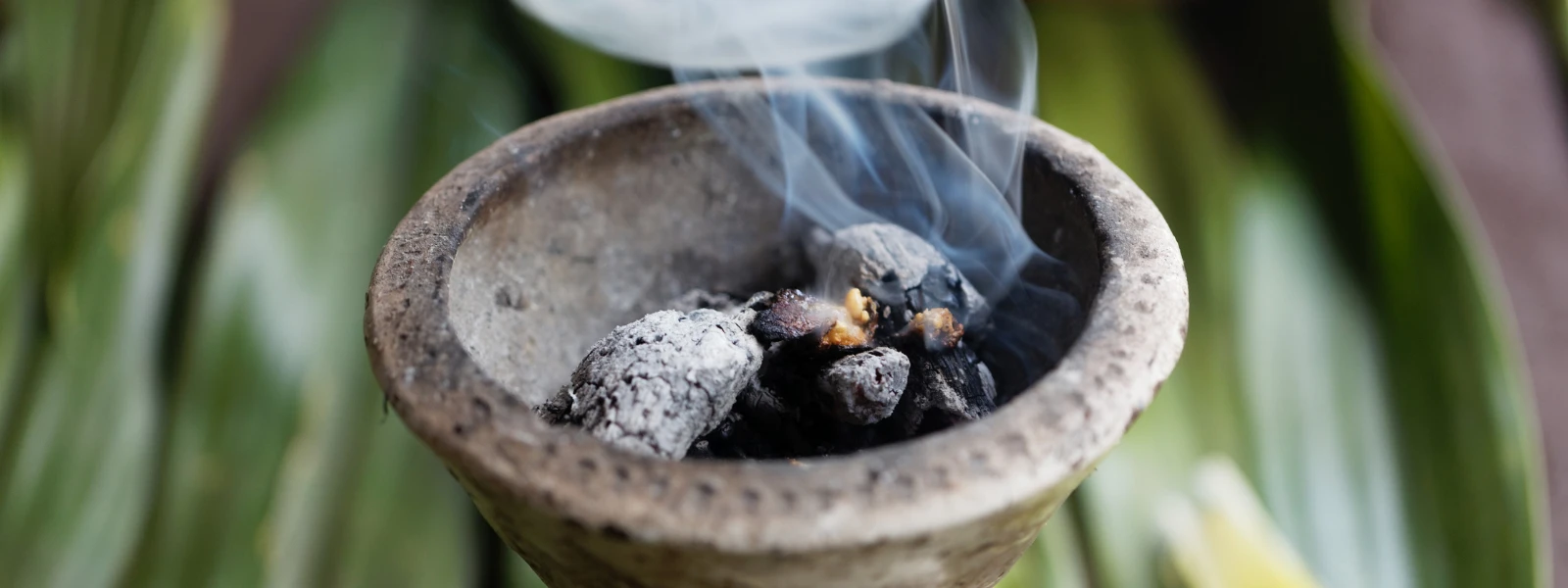
Using sambrani indoors requires proper preparation and safety measures. Start by gathering your materials: sambrani cups or powder, a heat-resistant holder, matches or a lighter, and ensure adequate ventilation in your chosen space. Choose a stable, flat surface away from curtains, bedding, or other flammable materials. The process of burning sambrani at night begins with creating the right environment. Light your sambrani cup by holding a flame to the edge until it catches fire, then gently blow out the flame, allowing the cup to smolder and release its fragrant smoke. Place the burning cup in a proper holder and position it where the smoke can circulate freely without creating concentrated clouds.
For nighttime use, burn sambrani for 15-30 minutes before your intended sleep time. This allows the fragrance to permeate your space while giving you time to enjoy the ritual without leaving it burning while you sleep.
Ensure your room has adequate airflow by keeping a window slightly open or using a fan on low speed. This prevents smoke accumulation while maintaining the beneficial effects of the sambrani.
Safety should always be your top priority when burning sambrani at night. Never leave burning sambrani unattended, and always extinguish it completely before going to sleep. Keep a bowl of water or sand nearby for emergency extinguishing, and ensure children and pets cannot access the burning area. While sambrani dhoop at night offers many benefits, some people may experience sensitivity to smoke. If you have respiratory conditions, asthma, or allergies, start with very short sessions to test your tolerance. Pregnant women and households with young children should consult healthcare providers before incorporating regular sambrani burning into their routines.
Discontinue use if you experience difficulty breathing, excessive coughing, headaches, or any allergic reactions. These symptoms indicate that your space may need better ventilation or that sambrani may not be suitable for your current health status.
Night rituals with sambrani become more meaningful when integrated thoughtfully into your evening routine. Consider combining sambrani burning with meditation, gentle yoga, journaling, or prayer. The key is consistency – establishing a regular practice helps signal to your body and mind that it's time to transition into rest mode. Start your ritual about an hour before bedtime. Light your sambrani, then engage in calming activities while the fragrance fills your space. You might read spiritual texts, practice gratitude, or simply sit quietly and breathe deeply. The goal is to create a sacred pause between your day's activities and sleep.
During monsoon season, sambrani helps combat humidity and prevents musty odors. In winter, the warming properties of the fragrance create a cozy atmosphere that complements the season's introspective energy.
Yes, daily nighttime sambrani use is generally safe for most people when proper ventilation and safety measures are followed. Start with 2-3 times per week and gradually increase frequency based on your comfort level.
People with respiratory sensitivities should exercise caution. Begin with very short exposure times and ensure excellent ventilation. If symptoms occur, discontinue use and consider alternatives like sambrani-scented oils in diffusers.
For nighttime use, 15-30 minutes is optimal. This provides sufficient time for air purification and aromatherapy benefits without overwhelming your space with smoke.
Sambrani cups are pre-formed and easier to use, while powder requires charcoal for burning. Cups are generally safer for beginners and nighttime use due to their controlled burning rate.
Burning sambrani at night can transform your evening routine into a sacred ritual that promotes peace, purification, and better sleep. The key to success lies in prioritizing safety, starting slowly, and listening to your body's responses. When practiced mindfully, this ancient tradition offers a natural way to create harmony between your physical environment and spiritual well-being. Remember that consistency and proper technique matter more than frequency – a well-executed weekly ritual often provides more benefits than daily practices done carelessly.
