
Eco-Friendly Pooja Corner: Complete Guide to Sus
Create Your Own Combo – Pick 4 Canisters & Save 10%
Get FREE Shipping on orders above ₹499/-!
Create Your Own Combo – Pick 4 Canisters & Save 10%
Get FREE Shipping on orders above ₹499/-!
Create Your Own Combo – Pick 4 Canisters & Save 10%
Get FREE Shipping on orders above ₹499/-!
Create Your Own Combo – Pick 4 Canisters & Save 10%
Get FREE Shipping on orders above ₹499/-!
Create Your Own Combo – Pick 4 Canisters & Save 10%
Get FREE Shipping on orders above ₹499/-!
Create Your Own Combo – Pick 4 Canisters & Save 10%
Get FREE Shipping on orders above ₹499/-!
Create Your Own Combo – Pick 4 Canisters & Save 10%
Get FREE Shipping on orders above ₹499/-!
Create Your Own Combo – Pick 4 Canisters & Save 10%
Get FREE Shipping on orders above ₹499/-!
Create Your Own Combo – Pick 4 Canisters & Save 10%
Get FREE Shipping on orders above ₹499/-!
Create Your Own Combo – Pick 4 Canisters & Save 10%
Get FREE Shipping on orders above ₹499/-!
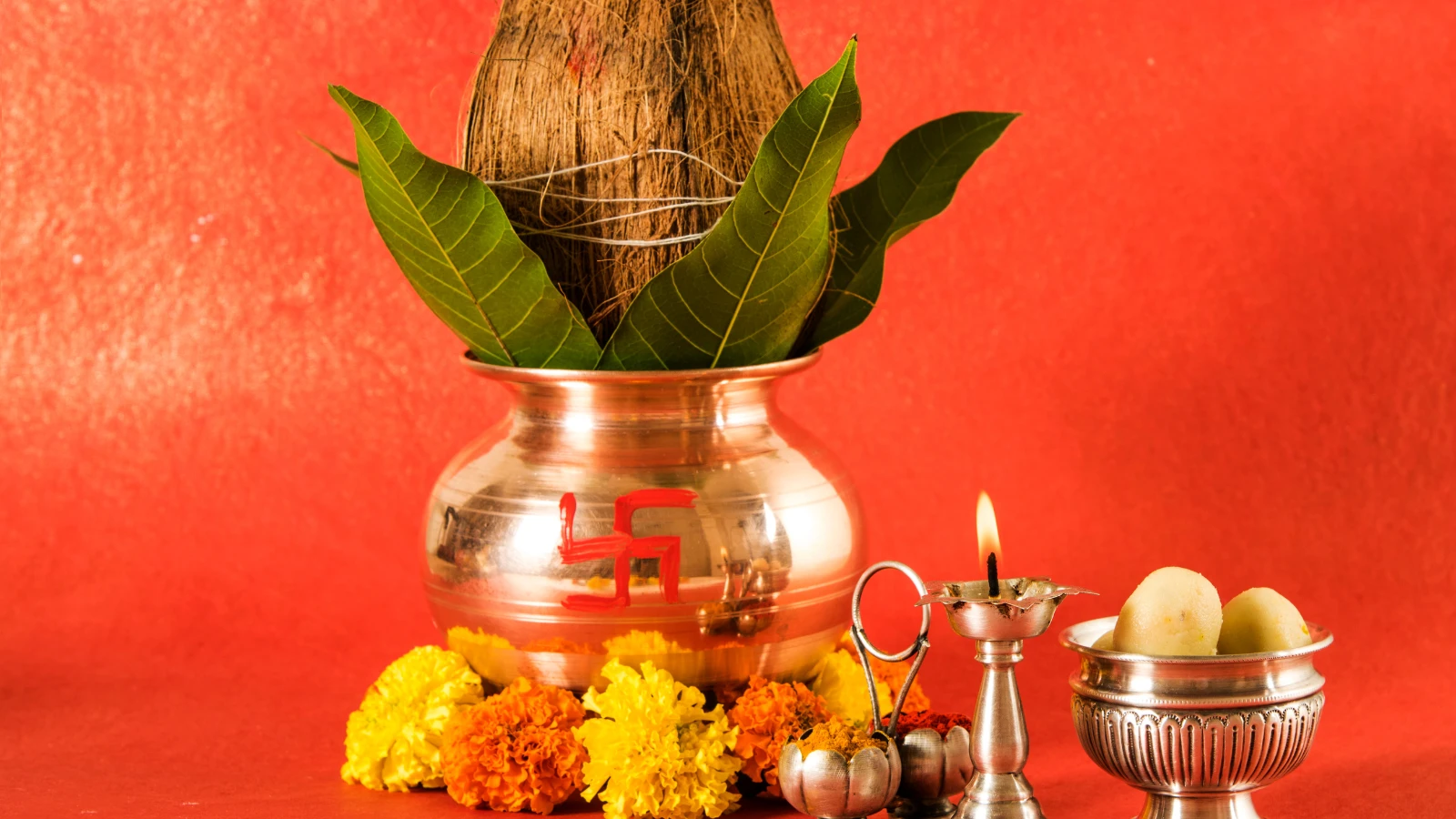
Creating a sacred space in your home doesn't mean you have to compromise on your environmental values. More families today are discovering how sustainable pooja corner ideas can transform their spiritual practice while honoring Mother Earth. Whether you live in a spacious home or a cozy apartment, designing an eco-friendly pooja room brings together ancient wisdom and modern consciousness. This approach not only reduces your carbon footprint but also creates a more authentic connection to nature's divine energy. Let's explore how you can build a beautiful, sustainable sacred space that reflects both your devotion and your commitment to the planet.
The foundation of any eco-friendly pooja room lies in understanding how traditional spiritual practices can align with environmental consciousness. When we choose sustainable materials and methods, we're not just decorating a space – we're creating a living example of harmony between human needs and natural resources.
Traditional Indian spirituality has always emphasized living in harmony with nature. Our ancestors used clay diyas, natural incense, and organic materials because these were readily available and biodegradable. Modern sustainable home decor simply returns to these time-tested principles while incorporating contemporary design sensibilities.
Choosing the right materials makes all the difference in your spiritual space. Natural materials like bamboo, reclaimed wood, and handcrafted pottery not only look beautiful but also carry positive energy. These materials age gracefully and can be composted or recycled at the end of their lifecycle, unlike plastic alternatives that harm our environment.
Building an authentic pooja corner design starts with selecting materials that connect you to nature's rhythms. Each element you choose should serve both functional and spiritual purposes while minimizing environmental impact.
Reclaimed wood makes an excellent base for shelving and platforms in your pooja corner. Look for teak or mango wood pieces that have been salvaged from old furniture or buildings. These materials carry history and character while preventing new trees from being cut down. Natural stone slabs or clay tiles provide stable surfaces for placing diyas and offerings.
Replace synthetic fabrics with organic cotton, hemp, or jute coverings. These natural fibers breathe better, last longer, and can be composted when they wear out. Hand-woven fabrics from local artisans add cultural authenticity while supporting traditional crafts. Choose natural dyes in saffron, turmeric, or indigo for colors that won't fade or release harmful chemicals.
Brass and copper items not only look traditional but also have antimicrobial properties that keep your sacred space clean naturally. Handcrafted pottery from local artisans provides unique storage solutions while supporting community craftspeople. Avoid plastic containers and synthetic decorative items that can release toxins over time.
Limited space doesn't limit your ability to create a meaningful spiritual corner. Smart design choices can maximize impact while maintaining sustainability principles in even the smallest areas.
Vertical designs work wonderfully for apartments and small homes. Install floating shelves made from bamboo or reclaimed wood to create levels for different items. Wall-mounted brass or copper holders can display diyas safely while saving floor space. Consider a fold-down design that can be closed when not in use.
Choose furniture pieces that serve multiple purposes. A wooden chest can store pooja items while doubling as a platform for your deities. Woven baskets made from natural fibers provide attractive storage while maintaining the organic aesthetic. These solutions keep your space organized without cluttering.
Lighting plays a crucial role in creating the right atmosphere for your spiritual space design. Natural and sustainable lighting options enhance both the beauty and energy of your sacred corner.
Traditional oil diyas provide warm, flickering light that creates a peaceful atmosphere. Use sesame oil, coconut oil, or ghee for clean burning that doesn't produce harmful smoke. Position your pooja corner near a window to maximize natural light during day prayers. Solar-powered LED lights can supplement natural lighting for evening prayers without increasing electricity consumption.
Incorporate living plants that purify air and add natural beauty to your space. Tulsi plants are traditional choices that require minimal care while providing spiritual significance. Money plants, peace lilies, and snake plants also work well in indoor conditions. These plants improve air quality naturally while connecting your sacred space to the living world.
Balancing traditional pooja room decoration with environmental consciousness requires thoughtful choices about materials and practices. You can honor ancient customs while making eco-friendly adaptations.
Traditional designs often used local materials that were naturally sustainable. Research regional architectural styles and materials used in your area's temples and homes. Incorporate these elements using modern sustainable sources. For example, use locally quarried stone instead of imported marble, or choose regional wood species over exotic imports.
Natural fiber baskets, wooden boxes, and clay containers provide beautiful storage while maintaining your eco-friendly theme. Label containers with natural materials like wooden tags or handwritten labels on recycled paper. This organization system keeps your space tidy while supporting your sustainable goals.
Creating the right atmosphere involves engaging all your senses, especially smell. Natural pooja decor includes sustainable options for incense and fragrances that enhance your spiritual practice.
Replace synthetic incense sticks with natural alternatives made from pure herbs, resins, and essential oils. Sambrani cups made from cow dung and natural herbs provide traditional purification while being completely biodegradable. Dhoop made from sandalwood powder, herbs, and natural binding agents creates beautiful fragrance without harmful chemicals.
Consider growing jasmine, mogra, or marigold plants near your pooja corner. Fresh flowers from your own garden create the most authentic and sustainable offerings. Herbs like mint, basil, and lemongrass can be dried and used to make natural incense or potpourri.
The most essential sustainable materials include reclaimed wood for shelving, brass or copper for vessels and decorative items, organic cotton or hemp for fabrics, and clay or ceramic containers for storage. These materials are durable, biodegradable, and carry positive energy while minimizing environmental impact.
Focus on vertical wall-mounted designs using bamboo shelves, choose multi-functional furniture pieces, use oil diyas instead of electric lights, incorporate air-purifying plants, and select organic textiles for coverings. Even small changes like switching to natural incense and using clay storage containers make a significant difference.
Yes, brass and copper items are highly sustainable because they last for generations, can be recycled indefinitely, have natural antimicrobial properties, and don't release harmful chemicals. While the initial investment might be higher, these materials prove more economical and environmentally friendly over time.
Tulsi is the traditional choice and thrives indoors with minimal care. Other excellent options include money plants, peace lilies, snake plants, and spider plants. These plants purify air naturally, require low maintenance, and add living energy to your sacred space.
Clean wooden surfaces with natural oils like coconut or sesame oil, polish brass and copper with lemon and salt, wash organic fabrics with natural detergents, and dust clay items with soft, dry cloths. Regular maintenance with natural products keeps everything looking beautiful while avoiding harmful chemicals.
Creating a sustainable pooja corner represents more than just environmental consciousness – it's a return to the authentic spiritual practices that honor both divine energy and natural harmony. By choosing eco-friendly materials, supporting local artisans, and incorporating living elements, you create a sacred space that nurtures both your soul and the planet. Remember that sustainability is a journey, not a destination. Start with small changes like switching to oil diyas or adding a plant, then gradually transform your entire space. Your eco-friendly pooja corner will become a daily reminder of the beautiful balance between spiritual devotion and environmental stewardship, inspiring others in your community to follow this meaningful path.
