
Diyas with Seeds: Your Complete Guide to Eco-Lighting
Create Your Own Combo – Pick 4 Canisters & Save 10%
Get FREE Shipping on orders above ₹499/-!
Create Your Own Combo – Pick 4 Canisters & Save 10%
Get FREE Shipping on orders above ₹499/-!
Create Your Own Combo – Pick 4 Canisters & Save 10%
Get FREE Shipping on orders above ₹499/-!
Create Your Own Combo – Pick 4 Canisters & Save 10%
Get FREE Shipping on orders above ₹499/-!
Create Your Own Combo – Pick 4 Canisters & Save 10%
Get FREE Shipping on orders above ₹499/-!
Create Your Own Combo – Pick 4 Canisters & Save 10%
Get FREE Shipping on orders above ₹499/-!
Create Your Own Combo – Pick 4 Canisters & Save 10%
Get FREE Shipping on orders above ₹499/-!
Create Your Own Combo – Pick 4 Canisters & Save 10%
Get FREE Shipping on orders above ₹499/-!
Create Your Own Combo – Pick 4 Canisters & Save 10%
Get FREE Shipping on orders above ₹499/-!
Create Your Own Combo – Pick 4 Canisters & Save 10%
Get FREE Shipping on orders above ₹499/-!

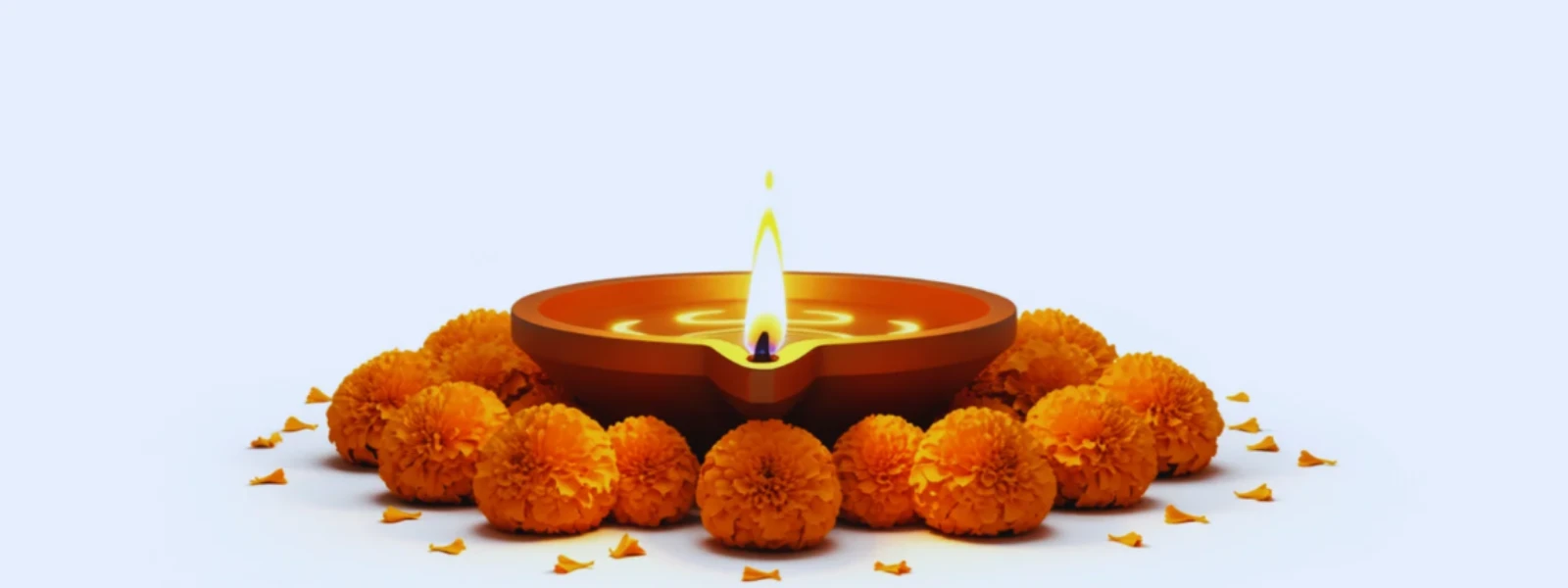
Imagine lighting a diya during Diwali and knowing that after the festival, you could plant it in your garden to grow beautiful flowers or fresh herbs. That's the magic of diyas with seeds – a beautiful blend of tradition and sustainability that's changing how we celebrate festivals. These innovative eco-friendly diyas are embedded with seeds that can be planted after use, transforming your festival lighting into a living garden. As more people seek sustainable alternatives for celebrations, seed diyas offer the perfect solution to honor traditions while caring for our planet.
Seed diyas represent a revolutionary approach to traditional festival lighting. These plantable diyas are handcrafted using natural clay mixed with various seeds like marigold, tulsi, basil, or even vegetable seeds. The concept is beautifully simple – after your festival celebrations, instead of throwing away the used diyas, you plant them in soil where the embedded seeds will germinate and grow into plants. The creation process involves carefully embedding viable seeds into the clay mixture before shaping the diya. Artisans ensure the seeds remain protected yet accessible for future germination. Common seed varieties include flowering plants like marigold and cosmos, aromatic herbs like tulsi and mint, and even small vegetables like tomatoes or chilies. This innovation transforms waste into wonder, giving your festival decorations a second life as a thriving garden.
The science behind seed embedded diyas is fascinating yet simple. The clay acts as a protective shell for the seeds while allowing them to remain viable for months. When planted in soil and watered, the clay gradually breaks down, providing nutrients while the seeds begin their germination process. The natural clay composition ensures the diya biodegrades completely, leaving no harmful residue.
This concept beautifully bridges ancient traditions with contemporary environmental consciousness. Traditional diyas have illuminated Indian festivals for centuries, but eco-friendly diyas take this heritage forward by addressing modern waste concerns. They maintain the spiritual significance while adding an element of hope and growth that extends far beyond the festival period.
The shift toward sustainable diyas isn't just about environmental responsibility – it's about creating meaningful experiences that extend beyond the celebration. Traditional plastic or non-biodegradable decorative items contribute to mounting waste problems, especially after major festivals when millions of items are discarded simultaneously. Biodegradable diyas offer compelling advantages over conventional alternatives. They eliminate plastic waste entirely, reduce landfill burden, and actually contribute positively to the environment through their post-use planting potential. From a cost perspective, while the initial investment might be slightly higher, the value extends far beyond the festival as you gain plants for your garden.
The environmental impact of choosing seed diyas is substantial. Each diya prevents plastic waste while potentially adding a plant to the ecosystem. When multiplied across millions of festival celebrations, this creates a significant positive environmental impact. The clay composition enriches soil as it decomposes, and the resulting plants contribute to air purification and biodiversity.
These diyas honor the traditional symbolism of light conquering darkness while adding a new dimension – life emerging from celebration. This aligns perfectly with Indian cultural values that revere nature and emphasize the interconnectedness of all life. The act of planting used diyas becomes a mindful practice that extends the festival's spiritual significance.
Transforming your used diyas for planting into thriving plants requires some basic knowledge but isn't complicated. The process begins immediately after your festival celebrations when the diyas have cooled completely. The key is understanding that these aren't just decorative items – they're potential gardens waiting to bloom. The planting process starts with selecting an appropriate location. Most seed varieties embedded in diyas prefer well-draining soil with adequate sunlight. You can plant them directly in garden beds, large pots, or even create a dedicated "festival garden" where all your growing diyas can flourish together.
Begin by gently breaking the used diya into smaller pieces, being careful not to damage any visible seeds. Dig small holes about 2-3 inches deep in your chosen planting area. Place the diya pieces in the holes, cover lightly with soil, and water gently. The clay will gradually dissolve, releasing nutrients while the seeds begin their germination journey.
Different seeds have varying requirements, but most common varieties used in plantable diyas are chosen for their resilience and ease of growth. Marigold seeds typically germinate within 7-10 days and produce vibrant flowers within 6-8 weeks. Herb seeds like tulsi or basil may take slightly longer but provide aromatic plants perfect for cooking or spiritual practices. Understanding these timelines helps set realistic expectations for your festival garden.
Finding quality diyas with seeds online requires knowing what to look for and where to shop. Reputable sellers provide detailed information about seed varieties, clay composition, and expected germination rates. Look for vendors who specialize in eco-friendly festival products and have positive customer reviews specifically mentioning successful plant growth. When shopping online, pay attention to packaging details. Quality seed embedded diyas should be packaged to protect both the clay structure and seed viability. Sellers should provide clear instructions for both use as diyas and subsequent planting. Price ranges typically vary based on seed variety, diya size, and quantity, with bulk options often offering better value for larger celebrations.
Examine product descriptions for specific seed varieties and their viability guarantees. Quality indicators include handmade craftsmanship, natural clay composition, and clear germination instructions. Reliable sellers often provide germination rate statistics and offer customer support for planting questions. Check shipping methods to ensure diyas arrive intact and seeds remain viable.
Most seeds embedded in diyas germinate within 7-14 days when planted in suitable conditions. Flower seeds like marigold typically sprout faster, while herb seeds may take up to 3 weeks. Factors like soil quality, watering, and temperature affect germination speed.
Yes, you can use seed diyas for lighting multiple times as long as they remain structurally intact. However, avoid exposing them to excessive heat or moisture that might affect seed viability. Most people use them throughout a festival period before planting.
Quality seed diyas typically have germination rates of 70-85%. Success depends on seed freshness, proper storage, and planting conditions. Following provided care instructions significantly improves germination chances.
Absolutely! These diyas are made from natural clay and contain organic seeds, making them completely safe for indoor lighting. They burn cleanly without releasing harmful chemicals, unlike some synthetic alternatives.
Store them in a cool, dry place away from direct sunlight and moisture. Keep them in breathable containers or cloth bags rather than plastic to maintain seed viability. Proper storage can preserve seeds for 6-12 months.
The main difference is the embedded seeds and slightly modified clay composition. Seed diyas are designed to break down more easily when planted, while regular clay diyas are made for durability and reuse.
Many artisans and online sellers offer customization options. You can often choose from various flower, herb, or vegetable seeds based on your preferences and local growing conditions.
They typically cost 20-50% more than regular clay diyas due to the additional materials and specialized crafting process. However, the added value of growing plants often justifies the higher price for eco-conscious consumers.
Diyas with seeds represent more than just an eco-friendly alternative – they embody a beautiful philosophy of transformation and renewal. By choosing these sustainable options, you're not just lighting up your festivals; you're planting seeds of hope for a greener future. Whether you're celebrating Diwali, hosting a wedding, or simply wanting to add meaningful decor to your home, seed diyas offer a perfect blend of tradition, beauty, and environmental responsibility. As you watch your planted diyas grow into flourishing plants, you'll experience the joy of knowing your celebration continues to give back to the earth long after the lights have dimmed.