
Daily Puja Routine: Your Complete Setup Guide
Create Your Own Combo – Pick 4 Canisters & Save 10%
Get FREE Shipping on orders above ₹499/-!
Create Your Own Combo – Pick 4 Canisters & Save 10%
Get FREE Shipping on orders above ₹499/-!
Create Your Own Combo – Pick 4 Canisters & Save 10%
Get FREE Shipping on orders above ₹499/-!
Create Your Own Combo – Pick 4 Canisters & Save 10%
Get FREE Shipping on orders above ₹499/-!
Create Your Own Combo – Pick 4 Canisters & Save 10%
Get FREE Shipping on orders above ₹499/-!
Create Your Own Combo – Pick 4 Canisters & Save 10%
Get FREE Shipping on orders above ₹499/-!
Create Your Own Combo – Pick 4 Canisters & Save 10%
Get FREE Shipping on orders above ₹499/-!
Create Your Own Combo – Pick 4 Canisters & Save 10%
Get FREE Shipping on orders above ₹499/-!
Create Your Own Combo – Pick 4 Canisters & Save 10%
Get FREE Shipping on orders above ₹499/-!
Create Your Own Combo – Pick 4 Canisters & Save 10%
Get FREE Shipping on orders above ₹499/-!
Creating a meaningful daily puja routine transforms your home into a sacred sanctuary where peace and positivity flourish. Whether you're new to spiritual practices or looking to enhance your existing devotional habits, establishing a proper puja setup becomes the foundation for deeper connection with the divine. This comprehensive guide walks you through every aspect of building your personal sacred space, from choosing the right location to selecting essential items that support your spiritual journey. With the right approach, your daily prayers can become a source of strength, clarity, and inner peace that enriches every moment of your day.
A daily puja routine represents more than just ritual practice—it creates a bridge between the material and spiritual worlds. This sacred time allows you to center yourself, express gratitude, and invite divine blessings into your life.
Daily puja involves consistent devotional practices that honor the divine through offerings, prayers, and meditation. Traditional Hindu rituals emphasize regularity, creating a rhythm that aligns your energy with cosmic forces. Modern practitioners often adapt these ancient practices to fit contemporary lifestyles while maintaining their spiritual essence.
Core elements include lighting diyas, offering flowers and water, chanting mantras, and presenting food offerings. Morning puja typically focuses on invoking divine blessings for the day ahead, while evening puja expresses gratitude and seeks protection during rest. Even busy schedules can accommodate meaningful spiritual practice with proper planning.
Your prayer setup becomes the heart of your spiritual practice, requiring thoughtful consideration of location, arrangement, and essential items. A well-designed sacred space enhances focus and creates an atmosphere conducive to deep devotion.
East or north-facing directions are traditionally preferred for home altars, as they align with positive energy flow. Choose a clean, quiet area away from distractions where you can sit comfortably. Even small apartments can accommodate sacred spaces through creative use of corners, shelves, or portable setups.
Basic requirements include:
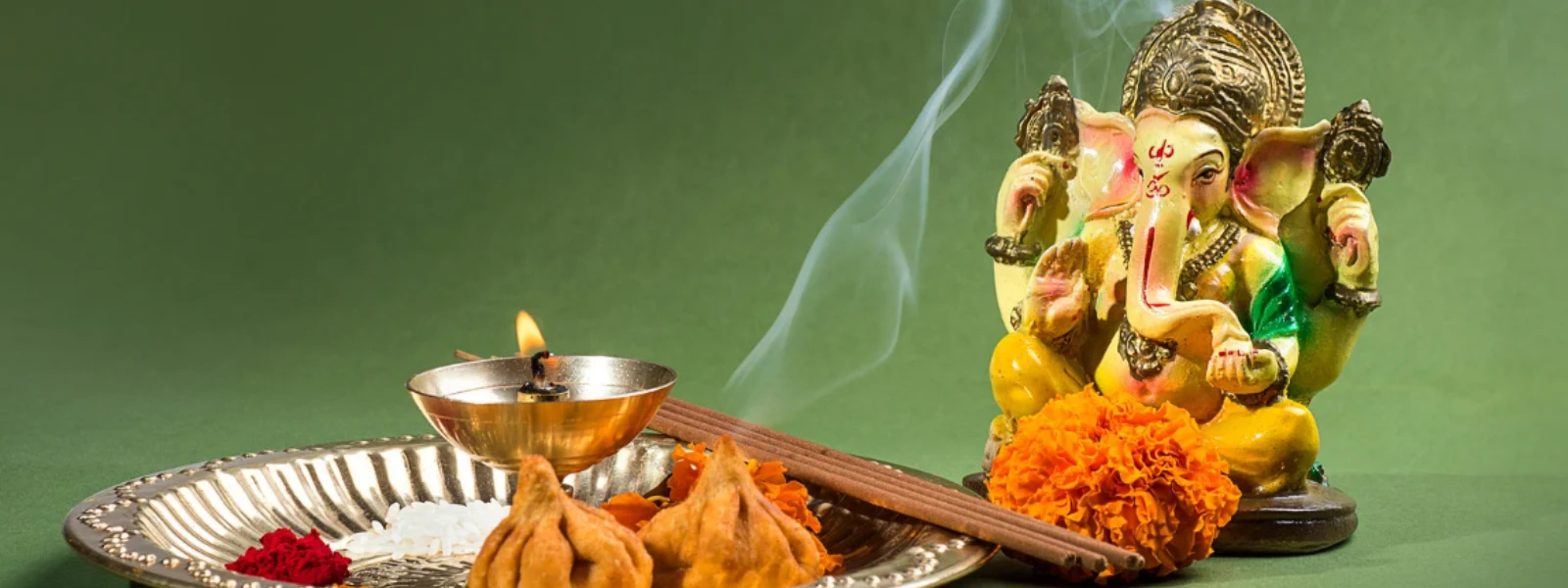
Oil diyas or traditional lamps for illumination
Sambrani cups or dhoop sticks for purification
Fresh flowers and water vessels
Images or statues of chosen deities
Small plates for offerings
Clean cloth for covering the altar
Begin with thorough cleaning and arrange items systematically. Place deity images at the center, with diyas on the right side and water vessels on the left. Ensure adequate ventilation for incense burning and maintain clear pathways for movement during rituals.
Morning spiritual practice sets a positive tone for the entire day, creating mental clarity and emotional balance. This sacred time becomes your personal retreat before engaging with worldly responsibilities.
Begin with personal cleanliness—shower and wear clean clothes dedicated to prayer. Set clear intentions for your practice and gather all necessary items beforehand to avoid interruptions. Mental preparation through a few deep breaths helps transition from sleep to spiritual awareness.
Light the diya first, symbolizing the removal of darkness and ignorance. Follow with incense or sambrani cups to purify the atmosphere. Offer fresh flowers while chanting your chosen mantras, then present water and food offerings. Conclude with meditation or silent prayer, absorbing the peaceful energy you've created.
A five-minute routine might include lighting a diya, brief chanting, and silent gratitude. Standard fifteen-minute practice allows for complete offerings and short meditation. Elaborate thirty-minute ceremonies accommodate detailed rituals and extended meditation for deeper spiritual connection.
Evening devotional practices provide closure to daily activities while preparing the mind for restful sleep. These rituals often emphasize gratitude and reflection on the day's experiences.
Sunset timing creates natural transition energy perfect for spiritual practice. Evening-specific mantras often focus on protection and peaceful rest. Include gratitude expressions for the day's blessings and seek forgiveness for any shortcomings or mistakes.
Brief blessing practices before meals maintain spiritual awareness throughout the day. Work-from-home schedules can include short prayer breaks for mental refreshment. Portable puja kits enable spiritual practice during travel, ensuring continuity regardless of location.
Understanding the spiritual significance of puja materials deepens your connection to the practice. Each item serves specific purposes in creating sacred atmosphere and facilitating divine communication.
Oil diyas represent the light of knowledge dispelling ignorance and negativity. Different incense types—like dhoop sticks infused with sacred fragrances—create specific atmospheric effects. Fresh flowers symbolize beauty and devotion, while fruits and prepared foods demonstrate gratitude and sharing.
Rangoli designs at the altar entrance welcome divine energy and demonstrate artistic devotion. Religious images and statues serve as focal points for concentration and prayer. Seasonal decorations during festivals enhance the celebratory atmosphere and connect personal practice with community traditions.
A meaningful daily puja can range from 5 minutes for basic practice to 30 minutes for elaborate rituals. Consistency matters more than duration—choose a timeframe you can maintain regularly.
Essential items include a diya or lamp, incense or dhoop sticks, fresh flowers, water vessel, and deity image. These basics create a complete spiritual atmosphere for meaningful practice.
Yes, puja can be performed anywhere with clean space and proper intention. Portable setups work well for small spaces or travel situations while maintaining spiritual effectiveness.
Morning puja works best during sunrise hours (5-7 AM), while evening practice is ideal around sunset (6-8 PM). Choose times that align with your schedule for consistent practice.
East or north-facing directions are traditionally preferred as they align with positive energy flow. However, any clean, quiet space can serve as an effective sacred area with proper intention.
Establishing a daily puja routine creates profound transformation in your spiritual journey and overall well-being. Remember that authenticity and consistency matter more than perfection—start with simple practices and gradually expand as your comfort and devotion deepen. Your sacred space becomes a personal sanctuary where peace, clarity, and divine connection flourish naturally. Whether you choose elaborate rituals or simple daily prayers, the key lies in approaching your practice with sincere heart and regular commitment. This spiritual foundation supports you through life's challenges while celebrating its many blessings.
