
7 Ways Panchgavya Naturally Purifies Indoor Air
Create Your Own Combo – Pick 4 Canisters & Save 10%
Get FREE Shipping on orders above ₹499/-!
Create Your Own Combo – Pick 4 Canisters & Save 10%
Get FREE Shipping on orders above ₹499/-!
Create Your Own Combo – Pick 4 Canisters & Save 10%
Get FREE Shipping on orders above ₹499/-!
Create Your Own Combo – Pick 4 Canisters & Save 10%
Get FREE Shipping on orders above ₹499/-!
Create Your Own Combo – Pick 4 Canisters & Save 10%
Get FREE Shipping on orders above ₹499/-!
Create Your Own Combo – Pick 4 Canisters & Save 10%
Get FREE Shipping on orders above ₹499/-!
Create Your Own Combo – Pick 4 Canisters & Save 10%
Get FREE Shipping on orders above ₹499/-!
Create Your Own Combo – Pick 4 Canisters & Save 10%
Get FREE Shipping on orders above ₹499/-!
Create Your Own Combo – Pick 4 Canisters & Save 10%
Get FREE Shipping on orders above ₹499/-!
Create Your Own Combo – Pick 4 Canisters & Save 10%
Get FREE Shipping on orders above ₹499/-!
Have you ever wondered how ancient wisdom can solve modern air quality problems? For thousands of years, Indian households have relied on panchgavya air purification to create healthier living spaces. This traditional practice, rooted in Ayurvedic principles, offers a natural alternative to chemical-laden air fresheners and expensive electronic purifiers. Today, as we face increasing concerns about indoor air pollution, these time-tested methods are gaining renewed attention for their effectiveness and environmental benefits.
Panchgavya represents a sacred blend of five cow-derived products: milk, curd, ghee, urine, and dung. This ancient formulation has been used in traditional air cleansing practices for centuries. The antimicrobial and purifying properties of these natural ingredients work together to create a powerful air treatment system. The science behind panchgavya reveals fascinating mechanisms. Cow dung contains beneficial microorganisms that naturally neutralize harmful bacteria and fungi in the air. When processed correctly, these organic compounds release negative ions that bind with airborne pollutants, effectively removing them from indoor environments. This natural ionization process mirrors expensive electronic air purifiers but uses completely organic materials.
Research into how does panchgavya improve air quality reveals multiple scientific mechanisms at work. The antimicrobial properties of cow urine and dung create an environment hostile to harmful microorganisms. These natural compounds contain ammonia and other alkaline substances that neutralize acidic pollutants commonly found in indoor air. The volatile organic compounds (VOCs) naturally present in panchgavya actually help reduce harmful VOCs from synthetic materials like paints, furniture, and cleaning products. This counterintuitive process works through molecular binding, where beneficial organic compounds attach to and neutralize toxic ones. Additionally, the hygroscopic nature of dried cow dung helps regulate indoor humidity levels, creating optimal conditions for respiratory health.
These proven techniques demonstrate the versatility of natural air purifiers derived from traditional wisdom. Each method targets different aspects of indoor air quality while maintaining the eco-friendly principles that make panchgavya so appealing to modern households.
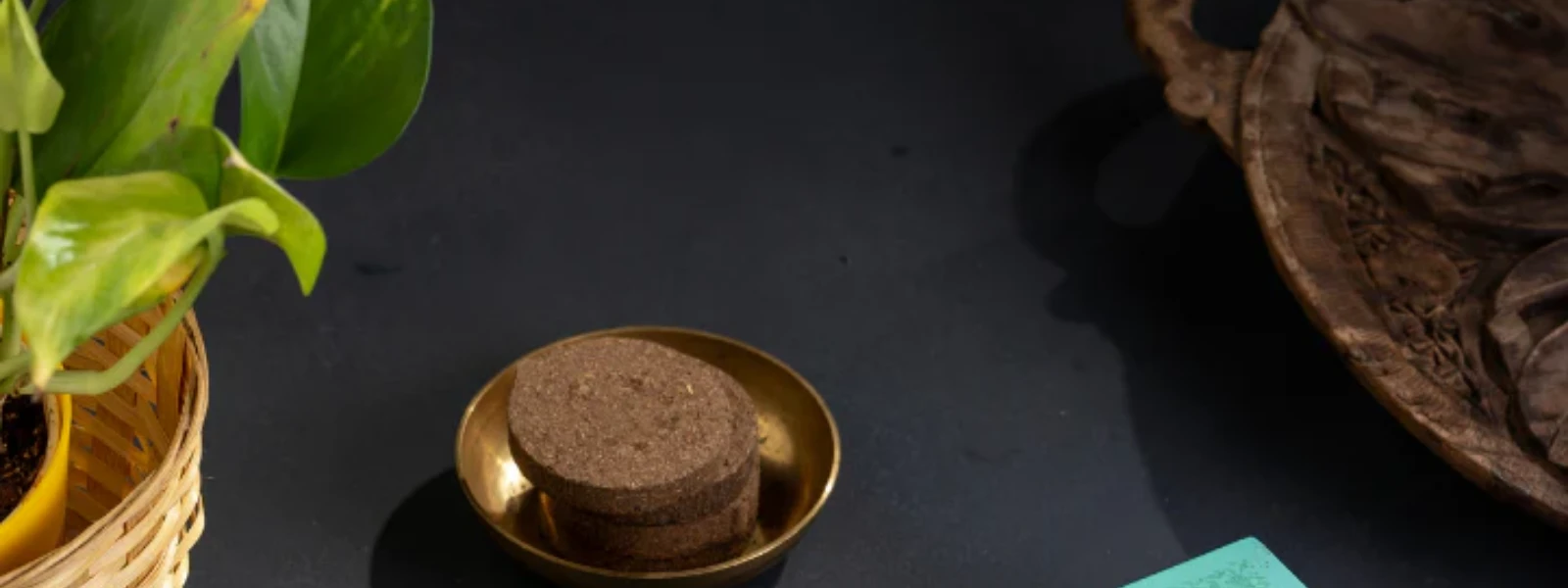
Burning specially prepared panchgavya incense creates immediate air purification through sacred smoke. Mix dried cow dung powder with aromatic herbs and form into small cones. Light these during evening prayers or meditation sessions. The smoke carries antimicrobial properties throughout your home while creating a peaceful atmosphere.
Create a powerful cleaning solution by mixing fresh cow dung with water in a 1:10 ratio. This cow dung air purifier solution not only cleans surfaces but continues purifying air long after application. The dried residue acts as a natural air filter, continuously releasing beneficial compounds into your living space.
Prepare a gentle room spray using filtered cow urine mixed with distilled water and a few drops of essential oils. This organic spray neutralizes odors while introducing beneficial microorganisms that compete with harmful bacteria for resources, naturally reducing their population in indoor air.
Place dried cow dung cakes in strategic locations around your home. These natural filters absorb moisture, odors, and airborne particles. Replace them monthly for optimal effectiveness. Their porous structure traps pollutants while slowly releasing purifying compounds into the surrounding air.
Create a traditional diffuser using a clay pot filled with liquid panchgavya mixture. As water evaporates, it carries purifying compounds throughout the room. This gentle method provides continuous air treatment without overwhelming fragrances or harsh chemicals.
Apply diluted panchgavya solution to walls and surfaces using a soft cloth. This treatment creates a protective barrier that continues purifying air for weeks. The natural compounds penetrate porous surfaces, providing long-lasting air quality benefits.
Combine multiple methods for comprehensive air treatment. Use floor washing weekly, maintain dried dung cakes in each room, and burn incense daily. This integrated approach maximizes the benefits of panchgavya while ensuring consistent air quality improvement throughout your home.
When evaluating air quality improvement methods, panchgavya offers significant advantages over commercial alternatives. Cost-effectiveness stands out immediately – a month's supply of panchgavya products costs less than replacing filters in electronic purifiers. Unlike synthetic air fresheners that mask odors with chemicals, panchgavya actually neutralizes pollutants at the molecular level. The health benefits extend beyond air purification. Regular exposure to beneficial microorganisms in panchgavya may strengthen immune systems, while the absence of synthetic chemicals reduces risks of respiratory irritation. Many users report improved sleep quality and reduced allergy symptoms after implementing these home air quality solutions.
The environmental benefits of panchgavya extend far beyond individual homes. This organic air purification method creates zero electronic waste, unlike commercial purifiers that require regular filter replacements and eventual disposal. The biodegradable nature of all components means no harmful residues accumulate in landfills. By supporting traditional practices, consumers encourage sustainable agriculture and cow protection initiatives. This circular economy approach transforms what might be considered waste products into valuable air purification resources, reducing overall environmental impact while maintaining cultural traditions.
Most people notice fresher air within 24-48 hours of implementing panchgavya methods. Complete air purification typically occurs within one week of consistent use.
Yes, panchgavya is completely natural and safe for all family members, including infants and pets. However, ensure proper ventilation when burning incense or dhoop.
For most homes, panchgavya provides adequate air purification. However, homes with severe pollution or specific medical needs may benefit from combining traditional and modern methods.
Panchgavya has no harmful side effects when used properly. Some people may initially notice earthy odors, but these dissipate quickly as air quality improves.
Panchgavya methods cost 80-90% less than commercial air purifiers, with no ongoing electricity or filter replacement expenses.
The ancient wisdom of ayurvedic air purification offers modern households an effective, affordable, and environmentally responsible approach to indoor air quality. These seven methods demonstrate how traditional practices can address contemporary challenges while maintaining harmony with nature. By understanding how does panchgavya improve air quality, families can create healthier living spaces using time-tested, sustainable methods that benefit both personal health and environmental well-being.
