
Beginner’s Guide to Dhoop Making: Create Your Own Sacred Fragrance
Create Your Own Combo – Pick 4 Canisters & Save 10%
Get FREE Shipping on all prepaid orders above ₹499/-!
Create Your Own Combo – Pick 4 Canisters & Save 10%
Get FREE Shipping on all prepaid orders above ₹499/-!
Create Your Own Combo – Pick 4 Canisters & Save 10%
Get FREE Shipping on all prepaid orders above ₹499/-!
Create Your Own Combo – Pick 4 Canisters & Save 10%
Get FREE Shipping on all prepaid orders above ₹499/-!
Create Your Own Combo – Pick 4 Canisters & Save 10%
Get FREE Shipping on all prepaid orders above ₹499/-!
Create Your Own Combo – Pick 4 Canisters & Save 10%
Get FREE Shipping on all prepaid orders above ₹499/-!
Create Your Own Combo – Pick 4 Canisters & Save 10%
Get FREE Shipping on all prepaid orders above ₹499/-!
Create Your Own Combo – Pick 4 Canisters & Save 10%
Get FREE Shipping on all prepaid orders above ₹499/-!
Create Your Own Combo – Pick 4 Canisters & Save 10%
Get FREE Shipping on all prepaid orders above ₹499/-!
Create Your Own Combo – Pick 4 Canisters & Save 10%
Get FREE Shipping on all prepaid orders above ₹499/-!
Creating dhoop at home connects us to ancient Vedic traditions while bringing peace to our modern lives. This sacred smoke has been used for thousands of years in spiritual practices across India. Learning to make your own dhoop gives you control over the ingredients and fragrances that fill your space. The process itself becomes a meditative practice that enhances your connection to holistic wellness. Whether you're new to vedic rituals or looking to deepen your spiritual journey, this guide will walk you through everything you need to know about crafting your own sacred smoke.
Dhoop represents one of the oldest forms of aromatherapy and spiritual cleansing known to humanity. This sacred smoke carries prayers upward while purifying the environment around us. The word itself comes from the Sanskrit term meaning "to fumigate" or "to purify through smoke."
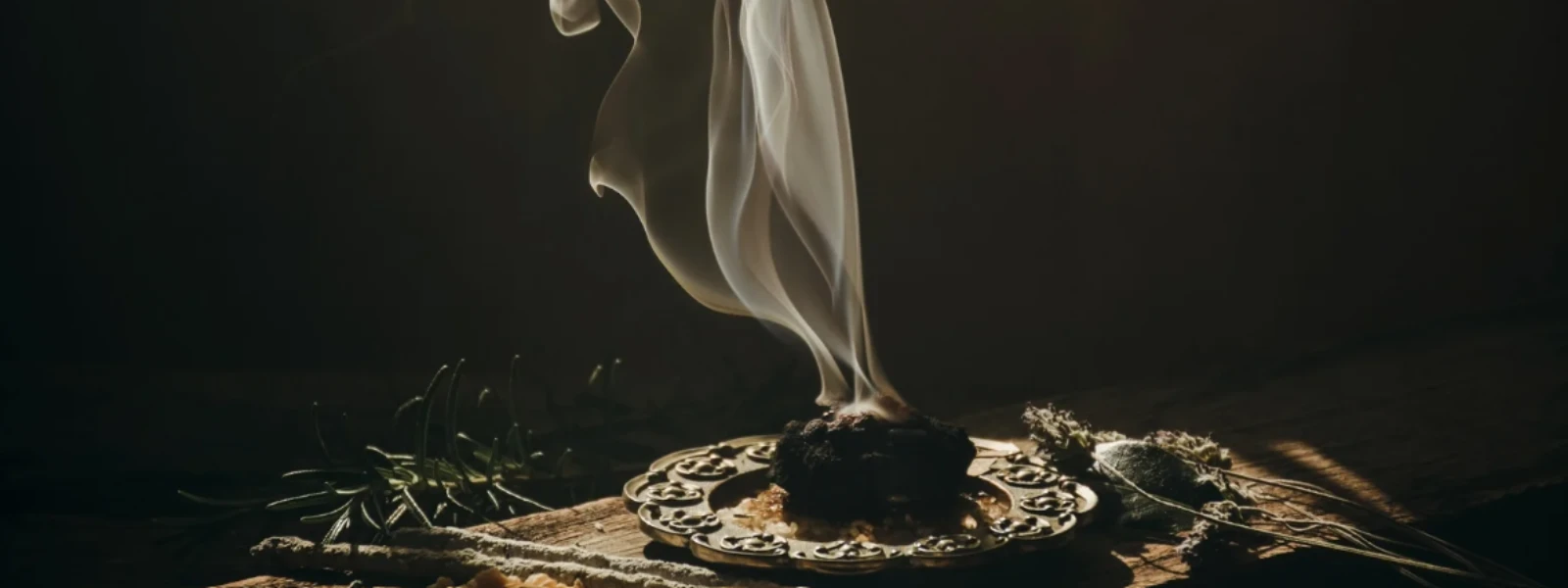
Dhoop is a loose form of incense made from natural ingredients like herbs, resins, and aromatic powders. Unlike incense sticks that have a bamboo core, dhoop burns freely and creates a more intense aromatic experience. It comes in various forms including powders, cones, and wet mixtures that you can shape yourself. The burning process releases natural fragrances that transform any space into a sanctuary for meditation and prayer.
In vedic rituals, dhoop serves as a bridge between the physical and spiritual worlds. Ancient texts describe how sacred smoke carries our intentions and prayers to higher realms. The practice of burning dhoop during purification ceremonies helps clear negative energies while inviting positive vibrations into our homes. Many practitioners of ayurvedic healing use specific dhoop blends to balance different doshas and support overall wellness.
The quality of your dhoop depends entirely on the ingredients you choose to include. Traditional recipes pass down through generations use specific combinations that create both beautiful fragrances and spiritual benefits. Understanding each ingredient's properties helps you create blends that serve your specific needs and intentions.
Sandalwood powder forms the base of most traditional dhoop recipes due to its cooling and calming properties. Other essential ingredients include: • Frankincense resin - promotes deep meditation and spiritual connection • Myrrh resin - offers protection and purification • Rose petals - attracts love and positive emotions • Jasmine flowers - enhances intuition and psychic abilities • Tulsi leaves - provides healing and spiritual protection • Guggul resin - purifies the atmosphere and supports respiratory health • Camphor - creates instant purification and mental clarity
Today's dhoop makers often blend traditional ingredients with modern additions to create unique fragrances. Essential oils like lavender, lemongrass, and eucalyptus add therapeutic benefits while maintaining the sacred nature of the practice. Natural binding agents like honey or jaggery help hold the mixture together without compromising the purity. The key is maintaining the balance between honoring ancient wisdom and meeting contemporary wellness needs.
Making dhoop at home requires patience and attention to detail, but the process itself becomes a form of spiritual cleansing. Each step connects you deeper to the sacred tradition while creating something uniquely yours. The entire process can take several hours, so plan accordingly and approach it with a calm, meditative mindset.
Gather your ingredients in a clean, well-ventilated space away from children and pets. Essential tools include: • Mortar and pestle or coffee grinder • Fine mesh strainer • Mixing bowls (preferably glass or ceramic) • Measuring spoons • Storage containers with tight-fitting lids • Protective mask to avoid inhaling fine powders Always work in a well-ventilated area and avoid inhaling the fine powders directly. Keep a damp cloth nearby to clean surfaces and wash your hands frequently during the process.
Start by grinding your dry ingredients separately to achieve a fine, uniform powder. Combine your base ingredients first, typically sandalwood powder and other wood powders. Gradually add resins and aromatic materials while mixing thoroughly. If making wet dhoop, slowly add honey or natural binding agents until the mixture holds together when pressed. The consistency should be moldable but not sticky. Store your finished dhoop in airtight containers away from direct sunlight to preserve the fragrances and potency.
Understanding the various forms of dhoop helps you choose the right type for different occasions and purposes. Each form burns differently and creates unique atmospheric effects. Your choice depends on factors like burning time, intensity of fragrance, and ease of use in different settings.
Wet dhoop contains natural binding agents and maintains a moldable consistency that you can shape as needed. This type burns more slowly and releases fragrance gradually over longer periods. Dry dhoop consists of loose powders and granules that ignite quickly and create intense bursts of aromatic smoke. Wet dhoop works better for extended meditation sessions, while dry dhoop suits quick purification rituals and daily prayers.
Dhoop cones offer convenience and controlled burning times, making them perfect for beginners or busy schedules. Loose dhoop powder provides the most flexibility, allowing you to adjust quantities based on space size and desired intensity. Pre-formed sticks combine convenience with traditional aesthetics, burning evenly while maintaining their shape. Each form serves different purposes in holistic wellness practices and spiritual routines.
Integrating dhoop into your daily spiritual routine enhances both the depth and effectiveness of your practices. The sacred smoke serves as a powerful meditation aid that helps focus the mind and create sacred space. Understanding how to use dhoop properly maximizes its benefits for both personal growth and environmental purification.
Light your dhoop 10-15 minutes before beginning your meditation to allow the fragrance to fill the space completely. The aromatic smoke helps signal to your mind that it's time to shift into a meditative state. Different fragrances support different types of meditation - sandalwood for grounding, jasmine for heart-opening practices, and frankincense for spiritual connection. During yoga sessions, choose lighter fragrances that won't overwhelm your breathing while still providing the aromatherapy benefits.
Move through your space methodically, allowing the smoke to reach every corner while setting intentions for purification. Start at the entrance and work clockwise through each room, paying special attention to areas where negative energy might accumulate. The practice works best when combined with conscious breathing and positive affirmations. Regular space cleansing with dhoop maintains the energetic hygiene of your environment and supports ongoing spiritual cleansing.
Learning from common mistakes saves time and ensures your dhoop-making journey stays enjoyable and successful. Many beginners make similar errors that can easily be avoided with proper guidance. Understanding these pitfalls helps you create better dhoop while developing your skills more quickly.
Using too much resin creates dhoop that burns too hot and produces harsh smoke, while too little results in weak fragrance and poor burning characteristics. Start with small batches to test proportions before making larger quantities. Always source high-quality, organic ingredients from reputable suppliers to ensure purity and potency. Avoid synthetic fragrances or chemical additives that compromise the spiritual and health benefits of your dhoop. Fresh ingredients produce better results than old, stale materials that have lost their essential oils.
Never leave burning dhoop unattended, and always use appropriate holders that can contain falling ash safely. Store your dhoop in airtight containers away from moisture and direct sunlight to preserve the fragrances and prevent mold growth. Label your containers with dates and ingredients to track freshness and identify your favorite blends. Properly stored dhoop maintains its potency for 6-12 months, while poorly stored dhoop loses effectiveness within weeks.
Dhoop burns as loose material without a bamboo core, creating more intense smoke and fragrance. Incense sticks use bamboo cores coated with aromatic materials, providing controlled burn times and easier handling. Dhoop offers more flexibility in quantity and burning style, while incense sticks provide convenience and consistency.
Absolutely! Dhoop serves as one of the oldest forms of aromatherapy, with different ingredients providing specific therapeutic benefits. Sandalwood calms anxiety, jasmine uplifts mood, and eucalyptus supports respiratory health. The practice combines the benefits of fragrance therapy with spiritual purification.
Properly stored homemade dhoop maintains its potency for 6-12 months in airtight containers away from moisture and heat. The fragrance may fade slightly over time, but the spiritual and purification properties remain effective. Wet dhoop typically has a shorter shelf life than dry varieties.
Always burn dhoop in well-ventilated areas and never leave it unattended. Use proper holders to catch falling ash and keep burning dhoop away from flammable materials. People with respiratory sensitivities should start with small amounts and choose gentler fragrances. Pregnant women should consult healthcare providers before using strong aromatic materials.
Making your own dhoop opens doors to deeper spiritual practices while connecting you to ancient wisdom traditions. This sacred craft allows you to create personalized blends that support your specific wellness and spiritual goals. The process itself becomes a form of meditation that enhances your connection to holistic wellness principles. Start with simple recipes and gradually experiment with different combinations as your confidence grows. Remember that the intention you bring to both making and burning dhoop matters as much as the ingredients themselves. Your homemade dhoop carries your personal energy and prayers, making it far more powerful than anything you could purchase.
