
Natural Diyas for Home: Your Complete Guide
Create Your Own Combo – Pick 4 Canisters & Save 10%
Get FREE Shipping on all prepaid orders above ₹499/-!
Create Your Own Combo – Pick 4 Canisters & Save 10%
Get FREE Shipping on all prepaid orders above ₹499/-!
Create Your Own Combo – Pick 4 Canisters & Save 10%
Get FREE Shipping on all prepaid orders above ₹499/-!
Create Your Own Combo – Pick 4 Canisters & Save 10%
Get FREE Shipping on all prepaid orders above ₹499/-!
Create Your Own Combo – Pick 4 Canisters & Save 10%
Get FREE Shipping on all prepaid orders above ₹499/-!
Create Your Own Combo – Pick 4 Canisters & Save 10%
Get FREE Shipping on all prepaid orders above ₹499/-!
Create Your Own Combo – Pick 4 Canisters & Save 10%
Get FREE Shipping on all prepaid orders above ₹499/-!
Create Your Own Combo – Pick 4 Canisters & Save 10%
Get FREE Shipping on all prepaid orders above ₹499/-!
Create Your Own Combo – Pick 4 Canisters & Save 10%
Get FREE Shipping on all prepaid orders above ₹499/-!
Create Your Own Combo – Pick 4 Canisters & Save 10%
Get FREE Shipping on all prepaid orders above ₹499/-!
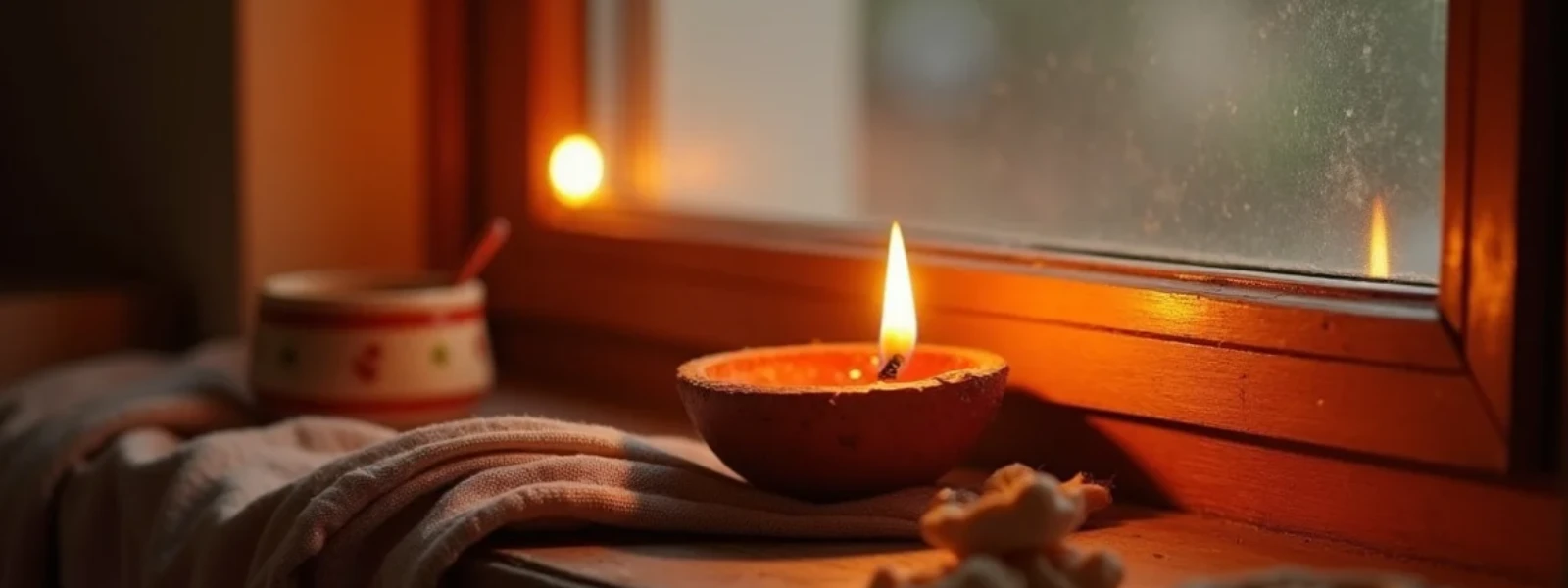
When the festival season arrives, there's something magical about the warm glow of traditional lighting that fills our homes with joy and positivity. Natural diyas for home have been the heart of Indian celebrations for thousands of years, connecting us to our roots while creating an atmosphere of peace and prosperity. These simple yet powerful earthen lamps do more than just illuminate our spaces – they purify the air, ward off negative energy, and bring families together in the spirit of tradition. Whether you're preparing for Diwali, daily prayers, or simply want to add a touch of authentic warmth to your living space, choosing the right natural diyas can transform your home into a sanctuary of light and love.
Natural diyas represent the perfect blend of tradition, spirituality, and environmental consciousness. Unlike their synthetic counterparts, these eco-friendly diyas are crafted from materials that Mother Earth provides – clay, cow dung, coconut shells, and other organic substances that have been used for centuries. The beauty of traditional diyas lies in their simplicity and purity. When you light a natural diya, you're not just creating light; you're participating in an ancient ritual that connects you to generations of wisdom. These handcrafted lamps release negative ions when lit, which naturally purify the air and create a calming atmosphere that synthetic lights simply cannot match.
Choosing natural diyas means making a conscious decision to protect our planet. These biodegradable lamps leave no harmful residue and actually enrich the soil when disposed of properly.
The smoke from natural diyas, especially those made with cow dung or infused with herbs, acts as a natural air purifier. This gentle fumigation helps reduce airborne bacteria and creates a healthier indoor environment.
Clay diyas remain the most popular choice for good reason. These terracotta beauties are affordable, readily available, and come in countless designs to match any home decor style. The porous nature of clay allows for even heat distribution, making them safe and long-lasting. Handmade diyas crafted from cow dung offer unique benefits that many families swear by. These organic diyas burn cleanly, produce minimal smoke, and are believed to have special purifying properties according to Ayurvedic traditions.
Coconut shell diyas represent the ultimate in sustainable lighting. These natural bowls, which would otherwise be waste, create beautiful floating diyas perfect for water features or outdoor celebrations.
Brass and copper diyas offer longevity while maintaining the traditional aesthetic. These metals are naturally antimicrobial and develop a beautiful patina over time.
Banana leaf and lotus leaf diyas provide a completely biodegradable option that's perfect for outdoor celebrations or when you want to minimize cleanup.
Diwali diyas hold special significance as they represent the victory of light over darkness. For this most important festival, many families prefer traditional clay diyas arranged in specific patterns around the home. The number of diyas and their placement follow ancient Vastu principles that are believed to attract prosperity and good fortune. Daily worship requires diyas that can withstand regular use while maintaining their spiritual significance. Indian diyas made from quality clay or metal work best for this purpose, as they can be cleaned and reused without losing their effectiveness.
Festive diyas can seamlessly blend with contemporary home decor when chosen thoughtfully. Consider grouping different sizes together or using decorative stands to create stunning centerpieces.
Different regions of India have unique diya traditions. Understanding these variations can help you choose diyas that resonate with your family's cultural background.
Making diyas for home use is a rewarding experience that brings families together while preserving traditional skills. The process requires simple materials: natural clay, water, and basic shaping tools that you likely already have in your kitchen. Start by kneading the clay until it reaches the right consistency – not too wet, not too dry. Roll it into small balls, then use your thumb to create the characteristic bowl shape with a small spout for the wick. The key is patience and practice; each diya will be unique and carry the love you put into making it.
Use turmeric, vermillion, and other natural colors to create beautiful patterns on your handmade diyas. These organic decorations are safe and add personal touches that store-bought diyas cannot match.
Allow your diyas to air dry completely before use. This process can take 24-48 hours depending on humidity levels. Properly dried diyas will be stronger and burn more evenly.
Clay diyas are ideal for daily use because they're affordable, safe, and easy to maintain. For longer-lasting options, consider brass or copper diyas that can withstand regular cleaning and use.
Yes, natural diyas are completely safe for indoor use when proper precautions are followed. Always place them on stable, heat-resistant surfaces away from flammable materials, and ensure adequate ventilation.
The burning time depends on the size of the diya and the type of oil used. Small clay diyas usually burn for 2-4 hours with mustard oil or ghee, while larger diyas can burn for 6-8 hours.
Mustard oil, sesame oil, and ghee are traditional choices. Mustard oil burns cleanly and is readily available, while ghee creates a pleasant aroma and is considered most auspicious for religious ceremonies.
Clay and metal diyas can be reused multiple times with proper cleaning. Gently wash them with warm water after the oil has cooled, and allow them to dry completely before storing.
Place diyas in the northeast, east, or north directions of your home for maximum positive energy. Avoid placing them in bedrooms or bathrooms, and always use odd numbers when lighting multiple diyas.
Natural diyas for home use offer so much more than simple lighting – they connect us to our heritage, protect our environment, and create spaces filled with positive energy. Whether you choose traditional clay diyas, eco-friendly cow dung varieties, or decide to make your own, these beautiful lamps will transform your home into a sanctuary of warmth and tradition. The gentle flicker of a natural diya reminds us to slow down, appreciate simple pleasures, and honor the wisdom of our ancestors while creating new memories for future generations.
