
How to Use Sambrani: Complete Beginner's Guide
Create Your Own Combo – Pick 4 Canisters & Save 10%
Get FREE Shipping on all prepaid orders above ₹499/-!
Create Your Own Combo – Pick 4 Canisters & Save 10%
Get FREE Shipping on all prepaid orders above ₹499/-!
Create Your Own Combo – Pick 4 Canisters & Save 10%
Get FREE Shipping on all prepaid orders above ₹499/-!
Create Your Own Combo – Pick 4 Canisters & Save 10%
Get FREE Shipping on all prepaid orders above ₹499/-!
Create Your Own Combo – Pick 4 Canisters & Save 10%
Get FREE Shipping on all prepaid orders above ₹499/-!
Create Your Own Combo – Pick 4 Canisters & Save 10%
Get FREE Shipping on all prepaid orders above ₹499/-!
Create Your Own Combo – Pick 4 Canisters & Save 10%
Get FREE Shipping on all prepaid orders above ₹499/-!
Create Your Own Combo – Pick 4 Canisters & Save 10%
Get FREE Shipping on all prepaid orders above ₹499/-!
Create Your Own Combo – Pick 4 Canisters & Save 10%
Get FREE Shipping on all prepaid orders above ₹499/-!
Create Your Own Combo – Pick 4 Canisters & Save 10%
Get FREE Shipping on all prepaid orders above ₹499/-!
Have you ever walked into a temple or traditional Indian home and been greeted by a sweet, calming fragrance that instantly makes you feel peaceful? That magical aroma likely comes from sambrani, one of India's most cherished natural incenses. This sacred resin has been purifying spaces and elevating spiritual practices for thousands of years. Whether you're new to Indian traditions or looking to deepen your spiritual practice, understanding what sambrani is and how to use it properly can transform your daily rituals and create a more harmonious living space.
Sambrani is a natural gum resin extracted from trees belonging to the Styrax genus, particularly the Sal tree. This precious substance goes by many names across different regions - you might hear it called benzoin resin, Loban, or Gum Benjamin. Unlike modern synthetic incenses, sambrani is completely natural incense that has been treasured for its pure, therapeutic properties. The resin appears in various forms to suit different preferences and uses. You can find it as raw amber-colored chunks, fine powder, or conveniently shaped into sambrani dhoop cups and cones. Each form offers the same beautiful fragrance and benefits, just with different levels of convenience for modern users. What sets sambrani apart from other incenses is its unique chemical composition. The resin contains natural compounds like benzoic acid and cinnamic acid, which give it both its distinctive sweet-vanilla scent and its purifying properties. This makes it a favorite choice for those seeking authentic traditional incense experiences.
Sambrani holds a special place in Indian incense traditions that stretches back thousands of years. Ancient texts mention its use in sacred rituals, and archaeological evidence suggests it was traded along ancient spice routes, making it as valuable as gold in some regions. In Hindu traditions, sambrani plays a crucial role during festivals, especially Diwali, when families burn it to welcome prosperity and ward off negative energies. The practice of using spiritual incense like sambrani during daily prayers creates a bridge between the physical and spiritual worlds, helping devotees focus their minds and purify their intentions.
Different regions of India have developed their own relationships with sambrani. In South India, it's commonly used in temple rituals, while North Indian households often incorporate it into their daily evening prayers. Some regions blend sambrani with other herbs like sandalwood or rose petals to create unique aromatic experiences.
Traditional Ayurvedic practices recognize sambrani for its ability to balance the mind and create harmony in living spaces. Ancient healers understood that the aromatic compounds could influence mood and mental clarity, making it an essential tool for holistic wellness.
The sambrani benefits extend far beyond just creating pleasant aromas. This versatile resin offers advantages that touch every aspect of daily life, from spiritual growth to practical household needs. Modern research has begun to validate what traditional users have known for centuries. The natural compounds in sambrani possess antimicrobial properties, making it effective for air purification. When burned, it releases negative ions that can help neutralize positive ions from electronic devices, potentially reducing stress and improving air quality.
Sambrani creates an atmosphere that naturally encourages meditation and prayer. The sweet, grounding fragrance helps quiet mental chatter and allows for deeper spiritual connection. Many practitioners find that regular use of sambrani during meditation enhances their ability to focus and achieve peaceful states of mind.
The incense benefits of sambrani include natural stress relief and emotional balancing. The scent triggers the release of calming neurotransmitters, helping to reduce anxiety and promote relaxation. Unlike synthetic air fresheners, sambrani provides these benefits without harmful chemicals.
Beyond spiritual applications, sambrani serves as a natural mosquito repellent and dehumidifier. Many households use it during monsoon seasons to prevent mold growth and maintain fresh indoor air. The dhoop benefits include eliminating cooking odors and creating a welcoming atmosphere for guests.
Using sambrani effectively requires understanding the proper techniques for safe and optimal burning. Whether you choose traditional methods or modern conveniences, following these guidelines ensures you get the maximum benefits while maintaining safety. The key to successful sambrani use lies in preparation and patience. Unlike lighting a simple candle, sambrani requires a heat source to release its aromatic compounds properly. This process, when done correctly, creates a steady stream of fragrant smoke that can last for extended periods.
Start by placing a charcoal disc in a heat-resistant dhoop stand or metal burner. Light the charcoal using a lighter or match, allowing it to heat evenly for about 5-10 minutes until it glows red. Once the charcoal is properly heated, sprinkle a small amount of sambrani resin on top. The resin will immediately begin releasing fragrant smoke.
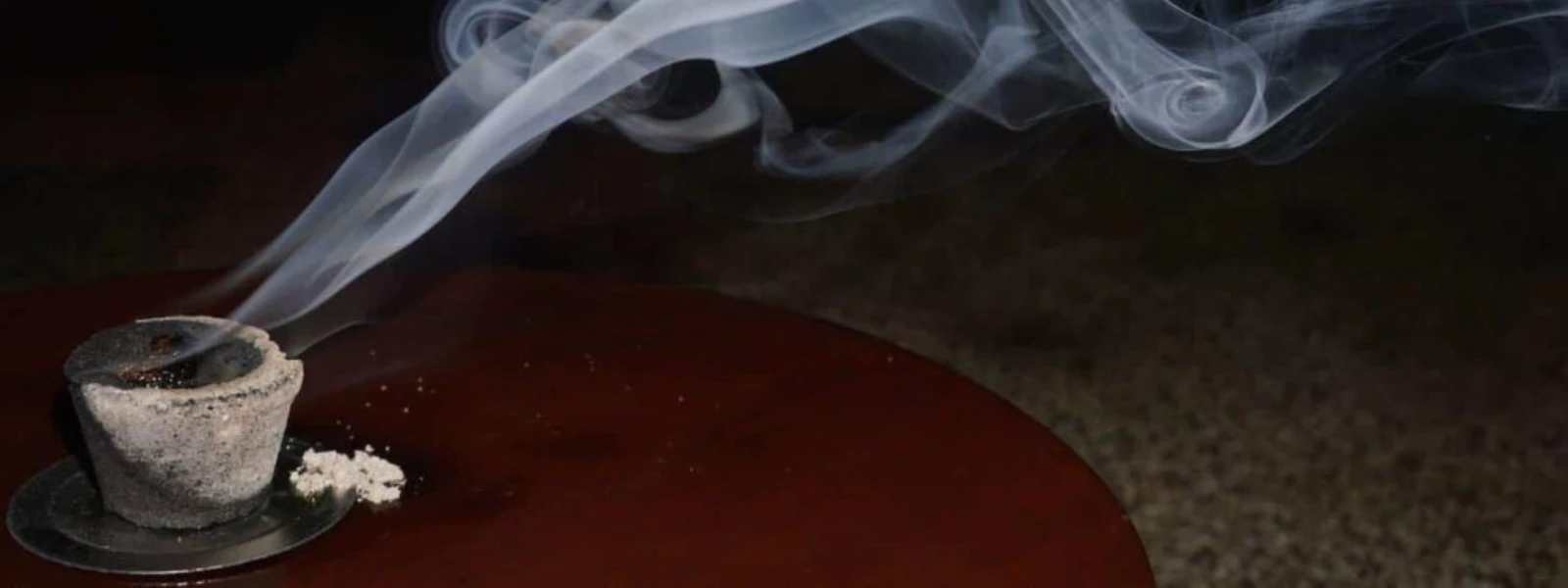
For those seeking easier alternatives, pre-made sambrani cups offer the same benefits with minimal preparation. Simply light the edge of the cup and allow it to burn naturally. Electric incense for home use provides the safest option, especially for apartments or homes with sensitive smoke detectors.
Always ensure adequate ventilation when burning sambrani. Open windows or doors to allow fresh air circulation while preventing smoke buildup. Never leave burning sambrani unattended, and keep it away from flammable materials, curtains, or papers.
Understanding the different forms of sambrani helps you select the best option for your specific needs and experience level. Each type offers unique advantages depending on your usage patterns and preferences. Raw sambrani resin provides the most authentic experience and allows you to control the amount used. However, it requires charcoal and more preparation time. Sambrani powder offers a middle ground - easier to measure and use than raw resin but still requiring a heat source.
Authentic sambrani should have a translucent, amber appearance with a sweet, vanilla-like scent even when unburned. Avoid products that appear too dark or have artificial coloring. High-quality sambrani produces clean, white smoke when burned, while inferior products may create dark or acrid smoke.
Many manufacturers now offer sambrani blended with complementary herbs like sandalwood, rose, or jasmine. These combinations can enhance specific benefits - for example, sambrani with lavender for enhanced relaxation, or sambrani with eucalyptus for respiratory support.
While sambrani offers numerous benefits, responsible use requires awareness of safety considerations and health implications. Understanding these factors ensures you can enjoy sambrani's advantages while protecting your wellbeing and that of your family. Proper ventilation remains the most critical safety factor. Burning any organic material produces particulate matter, and while sambrani is natural, prolonged exposure to smoke in enclosed spaces can irritate sensitive individuals. Always maintain air circulation and limit burning sessions to reasonable durations.
People with respiratory conditions like asthma should use sambrani cautiously and in well-ventilated areas. Pregnant women and young children may be more sensitive to smoke, so consider using smaller amounts or choosing electric alternatives that don't produce smoke.
Always use appropriate burners designed for incense, never improvised containers. Keep burning sambrani away from pets and children, and ensure it's completely extinguished before leaving the area. Having a small bowl of sand nearby allows for quick extinguishing if needed.
Sambrani serves multiple purposes including spiritual purification, air freshening, meditation enhancement, and creating peaceful atmospheres. Traditionally, it's used to remove negative energies and invite positivity into spaces while providing natural aromatherapy benefits.
When used properly with adequate ventilation, sambrani smoke is generally safe for most people. However, like any smoke, prolonged exposure in enclosed spaces can be irritating. People with respiratory sensitivities should use it cautiously and ensure good air circulation.
Yes, Loban and sambrani refer to the same benzoin resin, just with different regional names. The terms are used interchangeably across different parts of India and neighboring countries.
Sambrani has natural antimicrobial properties that can help reduce certain airborne bacteria. While it's not a replacement for proper air filtration systems, it does contribute to creating fresher, cleaner indoor environments when used appropriately.
Sambrani is made from natural gum resin extracted from Styrax trees. The pure resin contains compounds like benzoic acid and cinnamic acid, which give it its distinctive fragrance and beneficial properties.
Daily use is common in traditional households, typically during morning or evening prayers. For general air purification and aromatherapy, 2-3 times per week is sufficient. Always prioritize proper ventilation over frequency.
Sambrani represents more than just a pleasant fragrance - it's a bridge connecting us to ancient wisdom and natural wellness practices. Whether you're drawn to its spiritual significance, therapeutic benefits, or simply enjoy its beautiful aroma, incorporating sambrani into your daily routine can enhance your living space and personal wellbeing. Remember that the key to enjoying sambrani lies in respectful, mindful use with proper safety precautions. Start with small amounts, ensure good ventilation, and allow yourself to experience the peaceful transformation this sacred resin can bring to your home and spiritual practice.
